
Can reading a book before bed make it easier to unwind?
A writer from VeryWell Mind followed a regular reading routine for seven days and tracked how it affected her sleep and relaxation.
She put her phone away

During the experiment, the writer was required to read for 30 minutes every evening.
Once she started reading, phones and other screens were off-limits. At the same time, she kept the rest of her usual evening routine unchanged.
Also read: How eating prunes every day can affect your body
The first evening

On the first day, she found it difficult to adjust to the quiet activity.
She felt tempted to check the time and noticed that her attention span had become accustomed to the constant stimulation from her phone.
The second evening

On the second evening, the urge to check social media was still there, but it was easier to ignore.
After reading, she felt more physically relaxed and experienced less restlessness as she tried to fall asleep.
Also read: Getting the shingles vaccine may cut your risk of developing dementia by nearly a quarter
Something to look forward to

By the third and fourth days, she had actually started looking forward to the 30 minutes of reading.
She felt less restless at bedtime and no longer had the same urge to check messages and social media.
Sleep problems

The experiment did not mean that she suddenly slept well every night.
One evening, she still had trouble falling asleep, but she felt less frustrated and calmer than usual.
Also read: Regular sauna use may protect your heart about as well as moderate exercise
An exciting book

On the fifth day, she started a new book and quickly became absorbed in it.
This made her consider reading for longer than planned, and she did not sleep particularly well that night either.
Overall sleep quality

Over the weekend, she continued with her new routine. Although she stayed up later on some evenings, she generally felt that her sleep quality had improved and that she was calmer in the evenings.
Helping the brain unwind

According to sleep expert Stephen Carstensen, a calming activity such as reading can work well with the body’s natural circadian rhythm, writes VeryWell Mind.
Also read: New study examines the effects of taking a daily multivitamin
By focusing on something relaxing, the brain may find it easier to filter out the many sensory impressions accumulated throughout the day.
A study also points to better sleep

A 2021 study published in Nutrients, based on an online survey, found that people reported better sleep when they read a book in bed before going to sleep.
The choice of book may matter
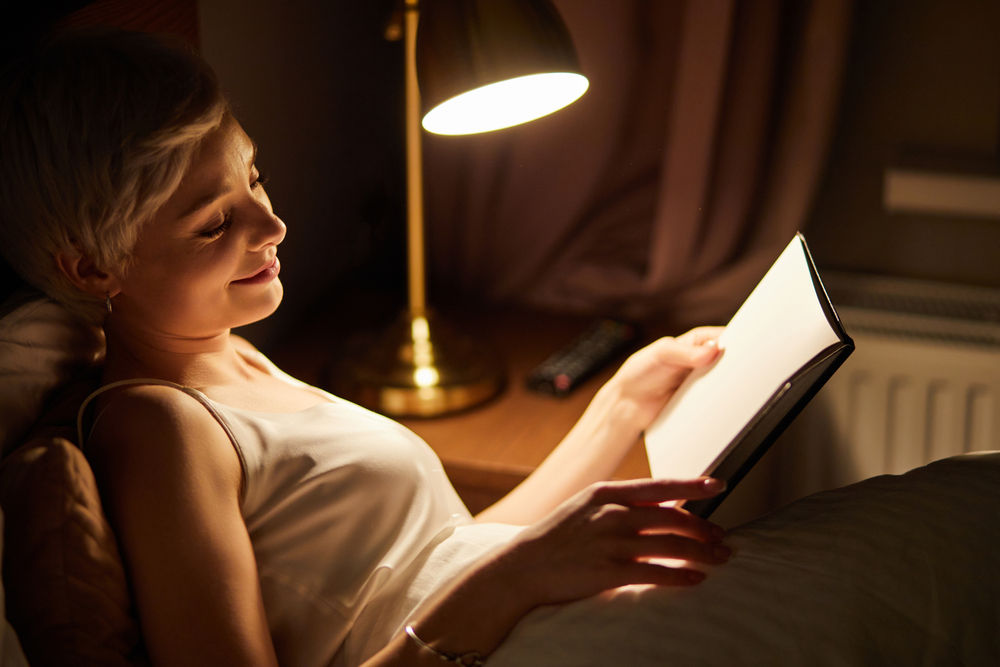
Stephen Carstensen recommends choosing something that does not require too much concentration or trigger overly strong reactions.
The book can be interesting, but preferably not so gripping that it becomes difficult to put down.
Also read: 9 in 10 Americans have at least one heart, kidney or blood sugar risk factor
Phones can make it harder to unwind
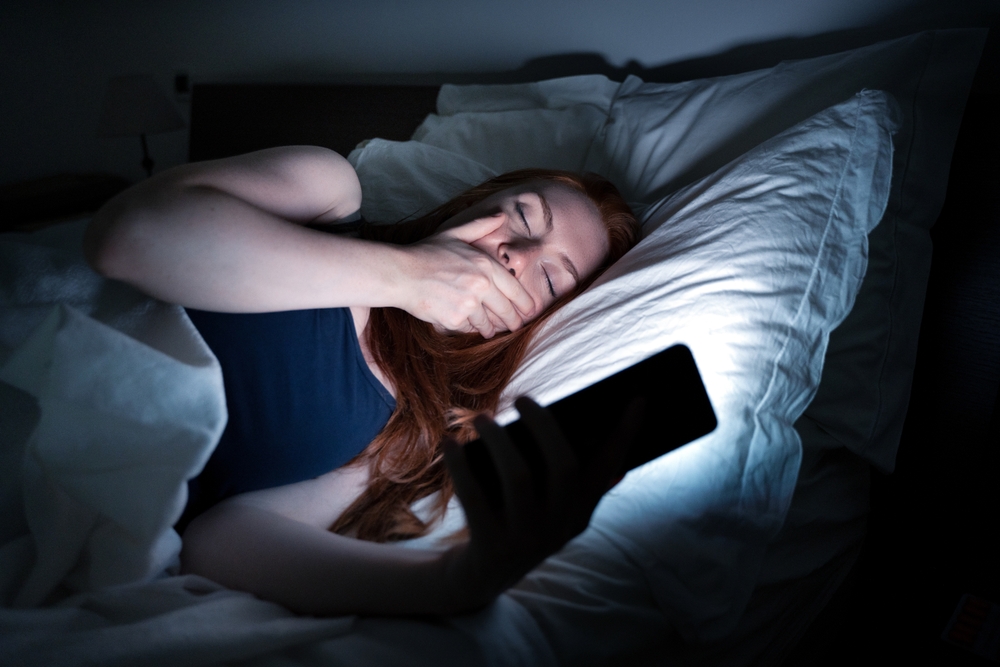
Using electronic devices before bedtime can negatively affect sleep quality.
According to Carstensen, light from screens can, among other things, reduce the brain’s production of melatonin. News and social media can also trigger stress or restlessness.
Good sleep habits are still important

Reading should be part of good sleep habits rather than a replacement for them.
A dark, cool and quiet bedroom, fresh air and a comfortable sleeping position are also highlighted as important factors.
It may help to start slowly

There is no need to begin with 30 minutes of reading every evening.
Mental health counselor Andrew Colsky recommends starting with two to five pages and gradually increasing the amount as the habit becomes easier to maintain.
Small reminders can help

A new habit takes time and repetition.
It may therefore help to place the book on your pillow or set a reminder on your phone so that you remember to read before bed.
She plans to keep reading

After the week-long experiment, the writer decided to continue reading, although she may not necessarily spend 30 minutes doing it every evening.
Reading did not eliminate her sleep problems, but it gave her a calmer, screen-free way to end the day.
This article is made and published by Ida-Marie Palm Varbæk, who may have used AI in the preparation.