
We’ve all heard the old saying: “Feed a cold, starve a fever”. But is there any truth to it?
Professor Tom Wilkinson, an expert in respiratory medicine, breaks it down.
Your immune system needs energy
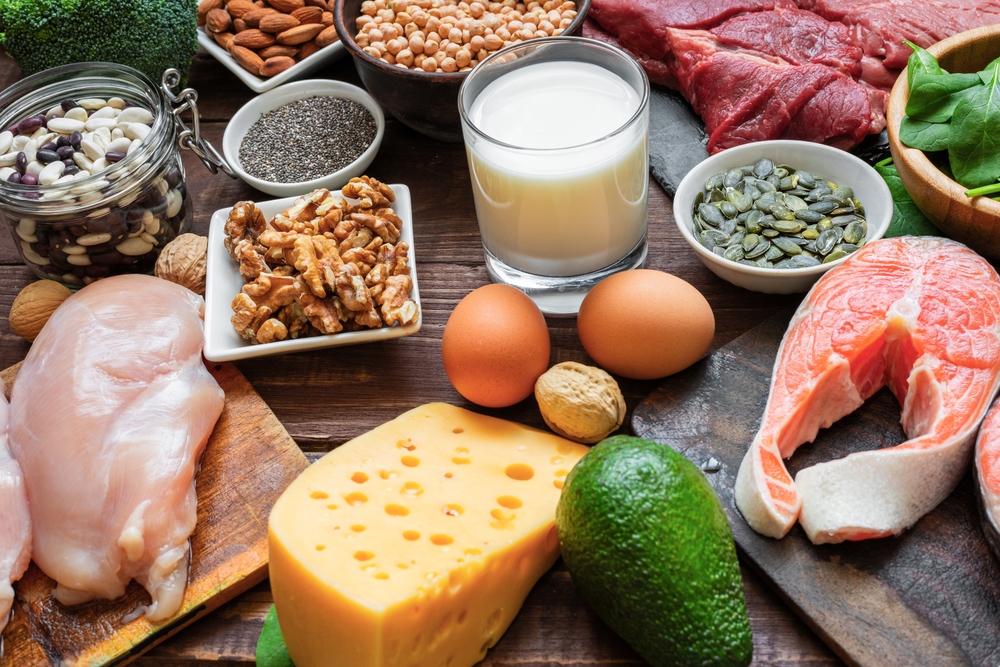
When you catch a cold, your immune system kicks into action, and this process requires a lot of energy. That’s why eating enough food is crucial for recovery.
Activated immune cells are energy-intensive
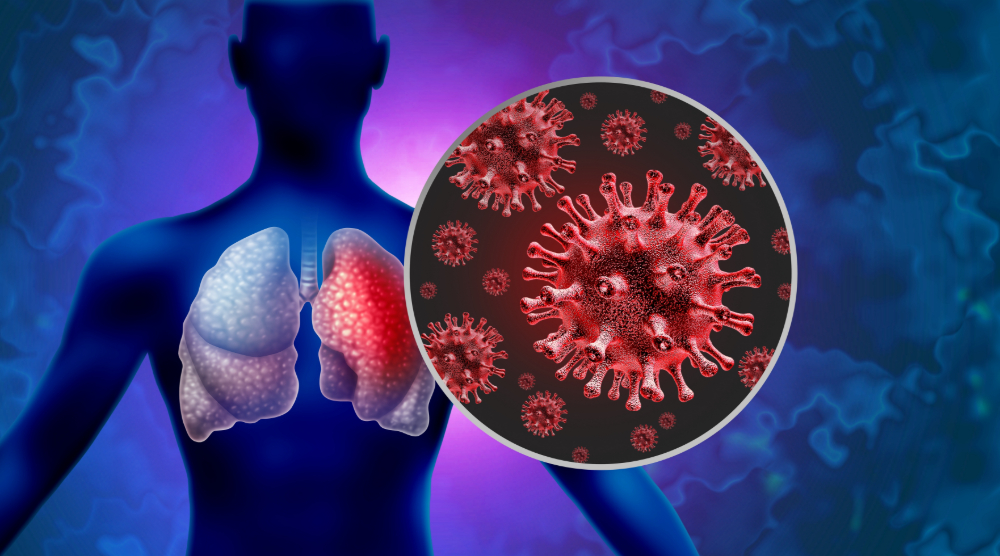
Tom Wilkinson explains that immune cells consume a significant amount of energy when fighting infections. Without enough fuel, their ability to combat viruses may weaken.
A study supports the idea

Research has shown that people who were fed during a viral infection had stronger immune responses compared to those who fasted.
This supports the idea that eating helps fight off colds.
Dieting while sick is a bad idea

Trying to cut calories or go on a diet when you’re fighting off a cold may slow down your recovery, as your body needs nutrients to function properly.
Malnourishment makes illness worse

If you are already frail or malnourished, your body may require even more nutrients to effectively combat infections.
Starving a fever might be a myth

Tom Wilkinson suggests that the phrase “starve a fever” could actually be a mistranslation.
The original saying might have been “feed a cold, stave off a fever,” meaning that proper nourishment could prevent more severe illness.
Fever may naturally suppress appetite

It’s common to lose your appetite when running a fever, but it’s unclear whether this is a beneficial response or just a side effect of being unwell.
Starving yourself isn’t recommended

There is no strong scientific evidence proving that fasting helps fight a fever. Tom Wilkinson advises against intentionally avoiding food when sick.
A balanced diet is key

To support your immune system, focus on a well-rounded diet with sufficient calories and nutrients, rather than restricting food intake.
Hydration is just as important

In addition to eating well, staying hydrated plays a crucial role in recovery.
There is strong evidence that proper hydration can improve health outcomes when dealing with infections.
This article is based on information from The Guardian.
This article is made and published by Ida-Marie Palm Varbæk, who may have used AI in the preparation.