
You don’t have to give up alcohol entirely to feel the benefits of drinking less.
Small changes in your habits – like having alcohol-free days or choosing lower-alcohol drinks – can make a big difference.
Here are some practical tips to help you reduce your alcohol intake.
Make a plan
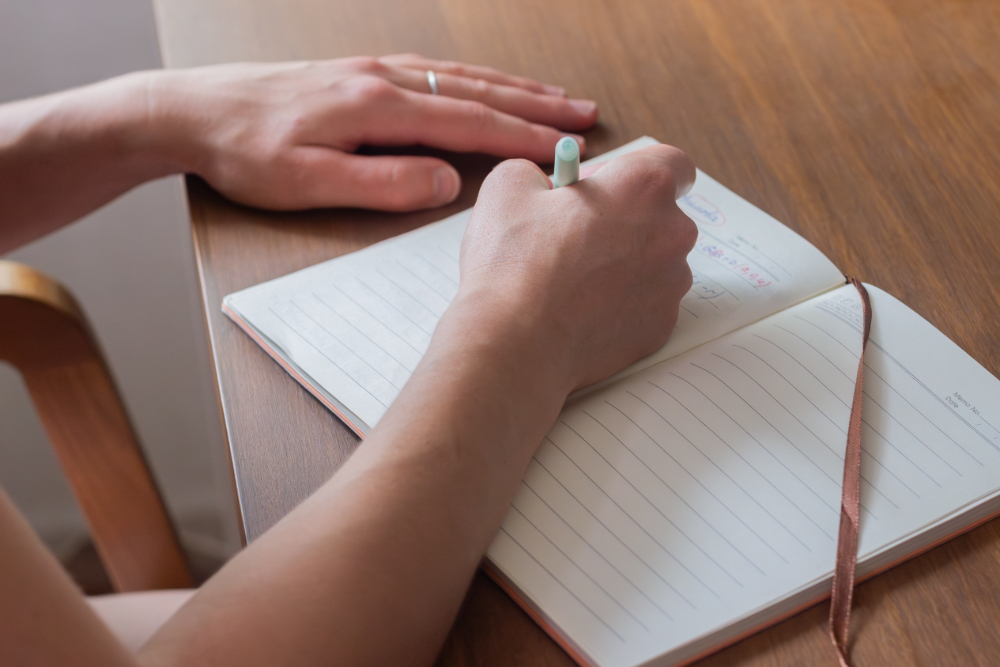
Set yourself a weekly alcohol limit using an app like NHS Drink Free Days, and do your best to stick to it.
If you go over your target one week, don’t be discouraged – just start fresh the next week.
Go for lower-alcohol drinks
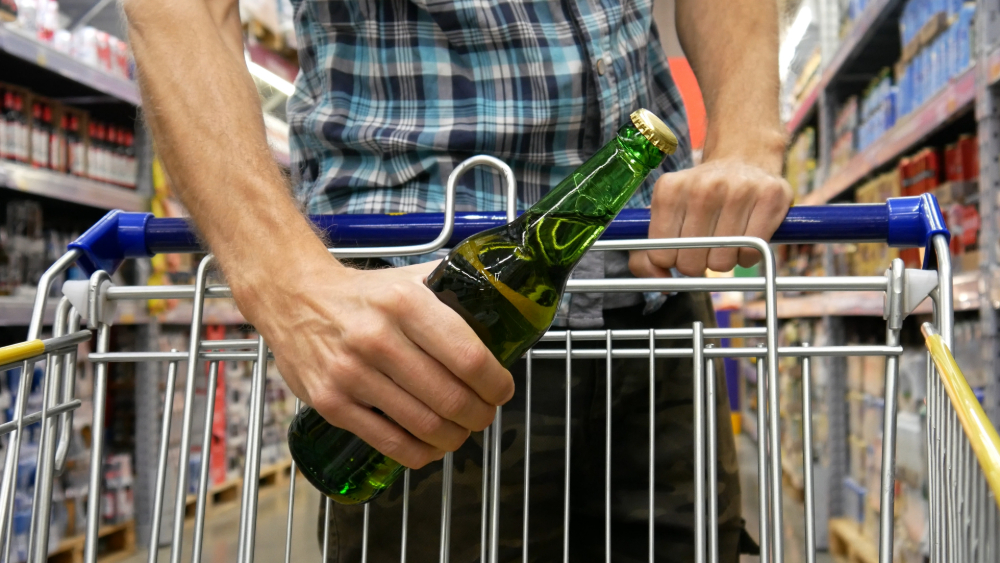
Choose drinks with a lower alcohol content, such as beers under 4% or lighter wines like white or rosé. You can also explore alcohol-free or low-alcohol alternatives.
Give it time

If you’re used to stronger drinks, it may take a while to adjust to lower-alcohol options.
Don’t give up – there are plenty of choices out there, so experiment until you find something you enjoy.
Rethink your social life

Meeting up with friends doesn’t have to revolve around alcohol. Try going for a walk, grabbing a coffee, seeing a movie, or even signing up for a class together instead.
Set a budget for alcohol
Limiting how much money you spend on alcohol can naturally help you drink less.
Try bringing only a set amount of cash when you go out or setting a spending limit on your card.
Skip the rounds
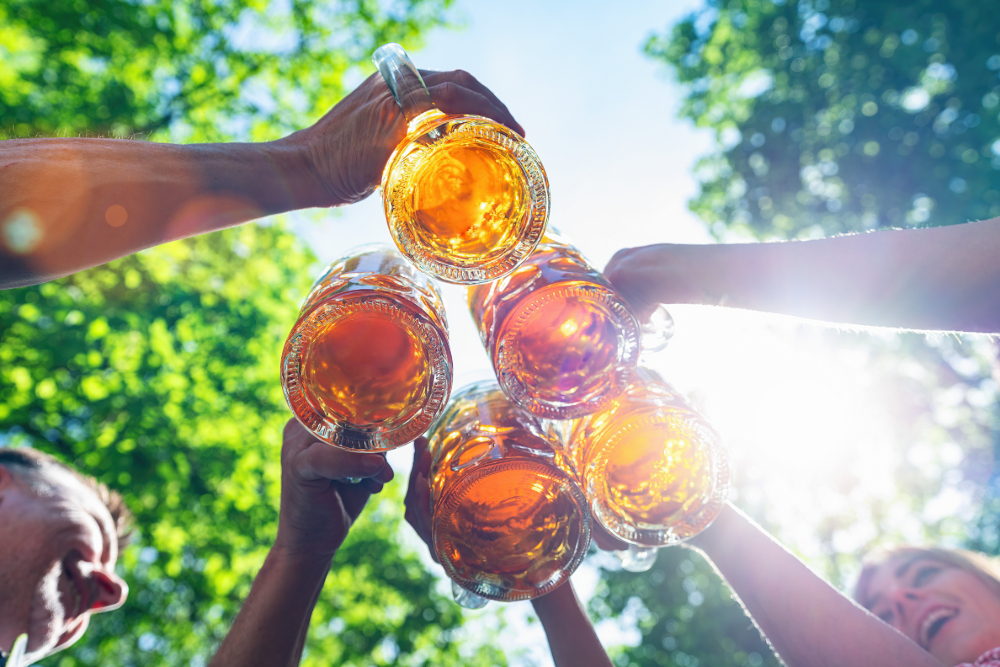
Buying drinks in rounds often leads to drinking more than planned.
Try to avoid them when possible, and don’t feel pressured to accept a drink just because someone else is offering.
Wait until dinner

A simple trick to cut back is to hold off on your first drink until you’ve started eating dinner. This small change can help reduce how much you drink overall.
Find other ways to unwind
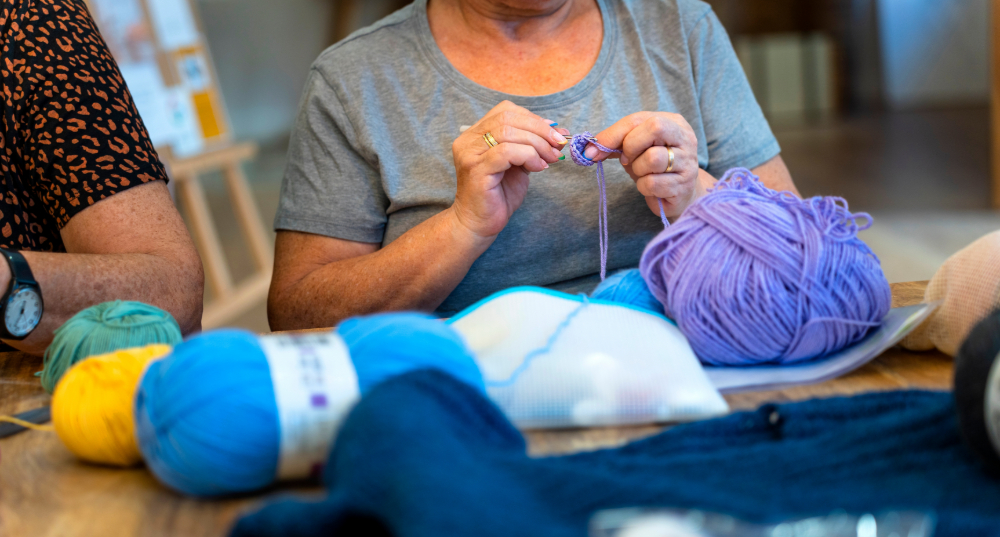
If you drink out of boredom or to relieve stress, find alternative ways to relax.
Exercise is a great stress reliever, and picking up a new hobby or tackling small projects can keep both your hands and mind busy.
Try alcohol-free alternatives
The market for non-alcoholic beer, wine, and cocktails has grown significantly.
Many of these drinks taste surprisingly similar to the real thing, making them a great substitute.
Reward yourself

Use the money you save by drinking less on something enjoyable – whether it’s a nice meal, an experience, or a treat for yourself.
Having a reward can help keep you motivated.
This article is based on information from the NHS.