
Have you ever noticed how some people seem more bothered by bright sunlight than others? According to eye health experts, your eye color might have something to do with it — and it all comes down to pigment.
Eye Color Is Determined by Melanin
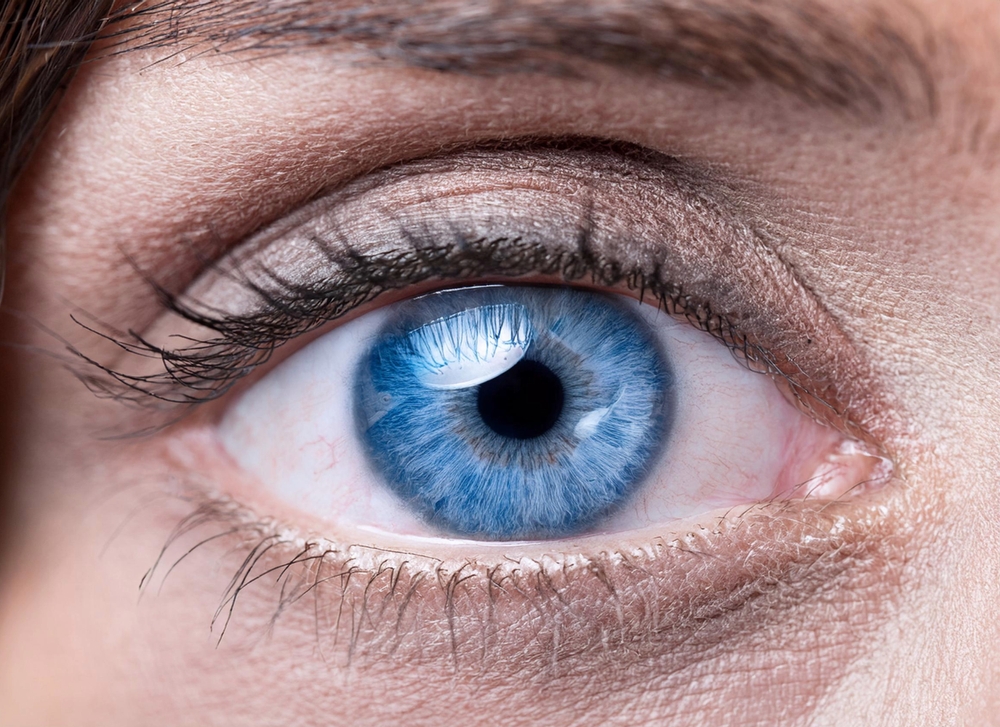
Melanin is the pigment that gives color to your hair, skin, and eyes. People with brown eyes have more melanin in their irises, while those with blue or green eyes have less.
More Pigment, Better Light Filtering
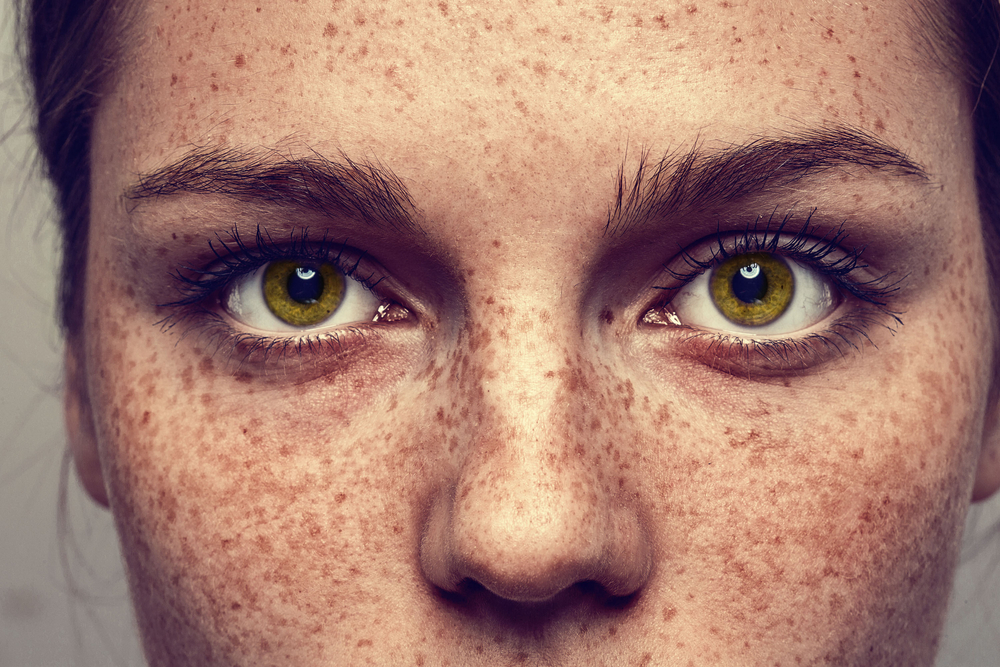
Eyes with higher melanin levels can absorb more light, acting almost like a natural sun filter. This may reduce glare and sensitivity in bright environments.
Blue Eyes Let In More Light
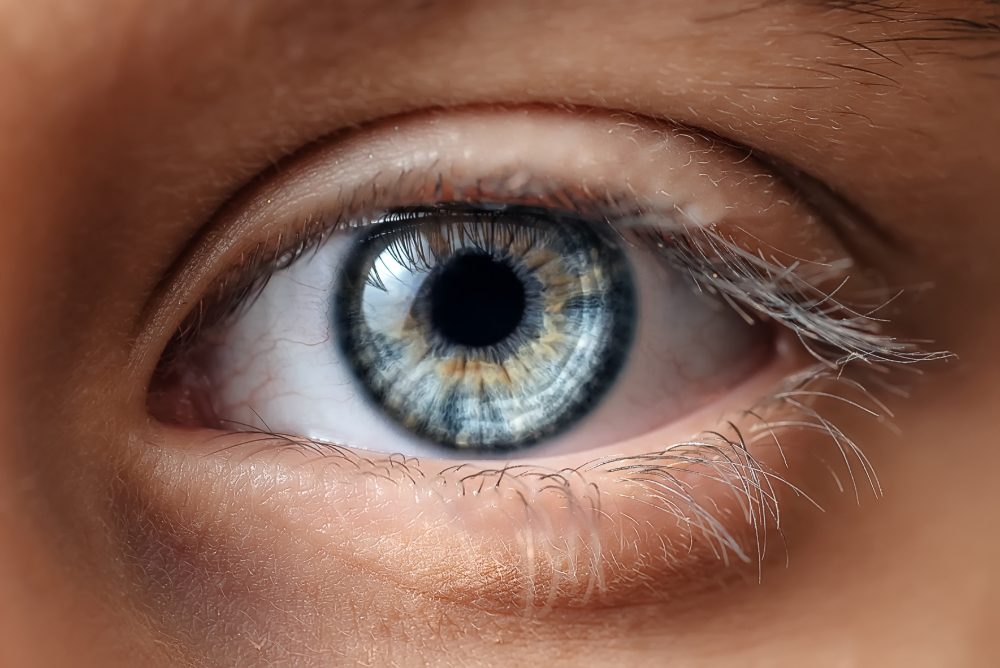
Because they contain less melanin, light-colored eyes allow more sunlight to enter, which could lead to increased sensitivity and a greater need for sunglasses on sunny days.
Also read: Feeling nauseous? Here’s what actually works
Dark Eyes May Handle Brightness Better

The extra pigment in brown eyes can help shield the eye’s internal structures from overexposure, making dark-eyed individuals slightly more comfortable in strong sunlight.
Eye Color Doesn’t Improve Night Vision

While lighter eyes may be more sensitive to light during the day, they don’t offer any real advantage in the dark. Night vision depends on the retina, not the iris.
Rod Cells Control Low-Light Vision

Your ability to see in dim light comes from rod cells in the retina — and their performance isn’t influenced by eye color, but by biology and overall eye health.
Light Sensitivity Isn’t Always a Problem

Even if your eyes are more sensitive to brightness, it doesn’t mean anything is wrong. It just means you might benefit from wearing sunglasses more regularly.
Also read: These foods may raise lung cancer risk by 41%
Eye Color Distribution Is Geographical

Lighter eyes are more common in northern regions with less sunlight, while darker eyes dominate in sunnier climates — possibly due to evolutionary advantages.
All Eye Colors Need Sun Protection

Regardless of eye color, UV rays can still damage the eyes over time. Wearing proper eye protection is essential for everyone, especially in high-glare settings.
Science Is Still Learning More

While there is a clear link between pigment and light absorption, experts caution that individual experience varies. More research is needed to fully understand how eye color impacts vision.
This article is based on information from Videnskab.dk
Also read: Can’t breathe comfortably? This might be the problem
Also read: This simple tongue test could help detect parkinson’s
This article is made and published by Mie Hermansen, who may have used AI in the preparation.