
PFAS – dubbed “forever chemicals” – are everywhere: in your water, your cookware, and even your raincoat.
While it’s impossible to completely avoid them, there are expert-backed steps you can take to reduce your exposure dramatically.
Invest in a high-quality water filter

One of the most effective ways to reduce PFAS exposure is by filtering your drinking water.
Choose a water filter certified to remove PFAS, and look for seals from trusted organizations like the National Sanitation Foundation or Water Quality Association.
Ditch old nonstick cookware

Traditional nonstick pans are notorious PFAS carriers. Replace them with safer alternatives like cast iron, stainless steel, or glass.
Always look for “PFAS-free” labels – don’t be misled by “PFOA-free”, which may still include other harmful PFAS.
Rethink your seafood choices

Certain types of seafood, particularly filter feeders like clams and mussels and freshwater fish from urban areas, can accumulate high levels of PFAS.
Eat seafood in moderation and consult local guidelines, especially for freshwater fish.
Check your personal care products

PFAS can be absorbed through your skin via cosmetics and skincare items.
Scan the ingredient list for any fluoro-based substances and use apps to ensure your products are free from harmful chemicals.
Avoid stain-resistant furniture

Furniture and carpets treated to repel stains often contain PFAS. Opt for untreated materials or use PFAS-free sprays if you want added protection.
There are plenty of safer textile options available today.
Go packaging-free when grocery shopping

Many packaged foods come wrapped in PFAS-laced materials – even compostable ones.
Shop in bulk, bring your own containers, and prefer packaging made from glass or foil to avoid unnecessary exposure.
Cut back on fast food

A 2022 study revealed that packaging from popular fast food chains frequently contains PFAS.
Making more meals at home helps reduce your contact with these chemicals while giving you full control over what you consume.
Choose PFAS-free clothing

Synthetic fabrics like nylon and polyester often contain PFAS. Choose clothing made from natural fibers such as cotton, wool, and silk, or refer to PFAS-free products.
Reevaluate your cleaning products
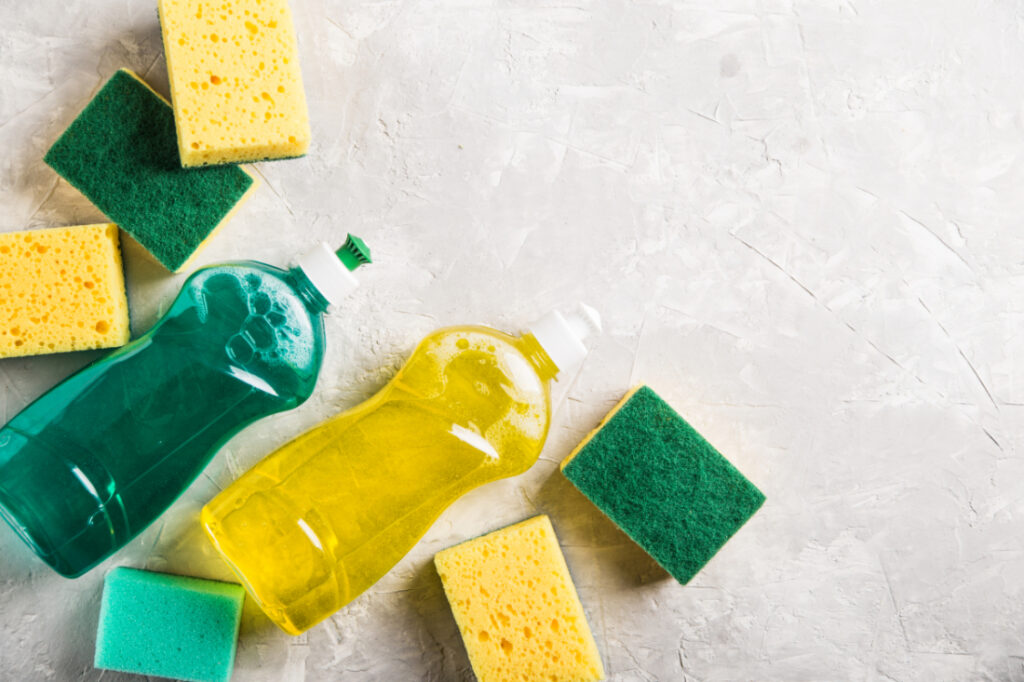
Some cleaning sprays and waterproofing solutions contain PFAS.
Read labels carefully and opt for brands that clearly state their products are PFAS-free to limit indoor chemical exposure.
Make pantry staples from scratch
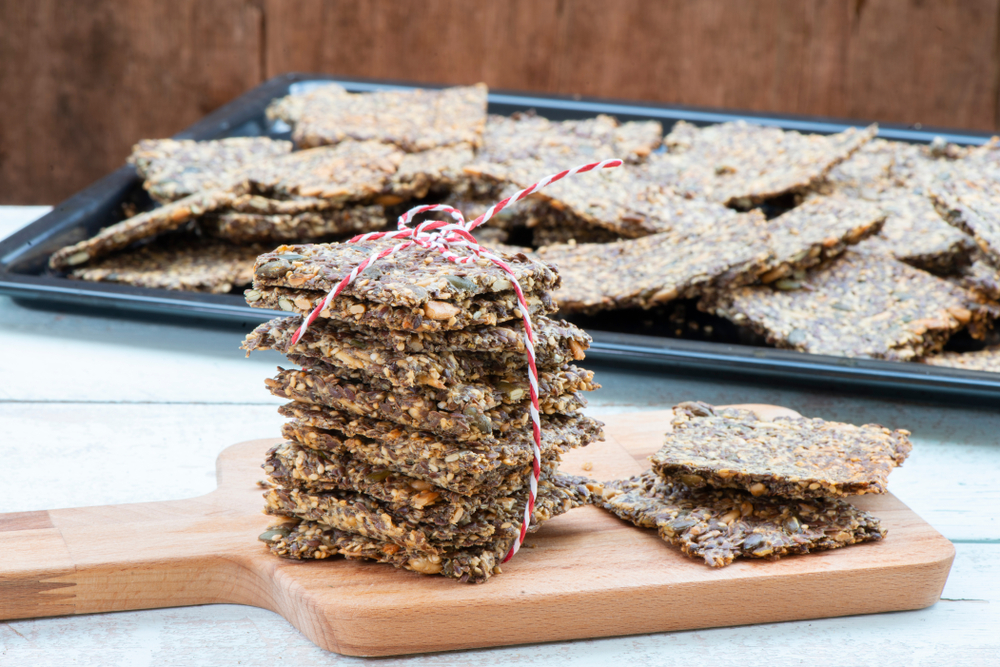
When you make your own pasta, crackers, or snacks, you skip the packaging – and the PFAS that often comes with it.
It’s healthier, eco-friendlier, and more satisfying to take control of your food production at home.
This article is based on information from Health.com.
This article is made and published by Ida-Marie Palm Varbæk, who may have used AI in the preparation.