
Millions of people struggle with high cholesterol, and while lifestyle changes can help, medication may still be necessary. Here’s how statins, diet, and exercise compare — and what to consider before choosing a path.
What Statins Actually Do
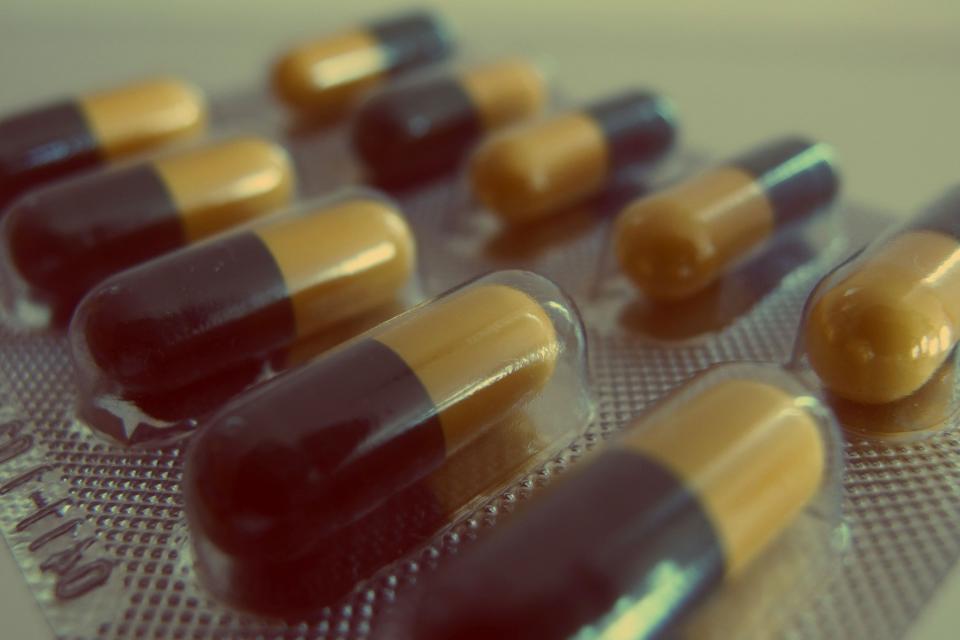
Statins are prescription drugs that slow down your liver’s cholesterol production. By reducing this internal source, they can dramatically lower LDL — the so-called “bad” cholesterol — and decrease your risk of heart attacks or stroke.
Statins Aren’t for Everyone
They’re often prescribed to people with a history of heart disease, diabetes, or extremely high LDL levels. But they’re not the default solution — lifestyle changes are typically the first step unless your cardiovascular risk is high.
Statin Side Effects Are Rare, But Real
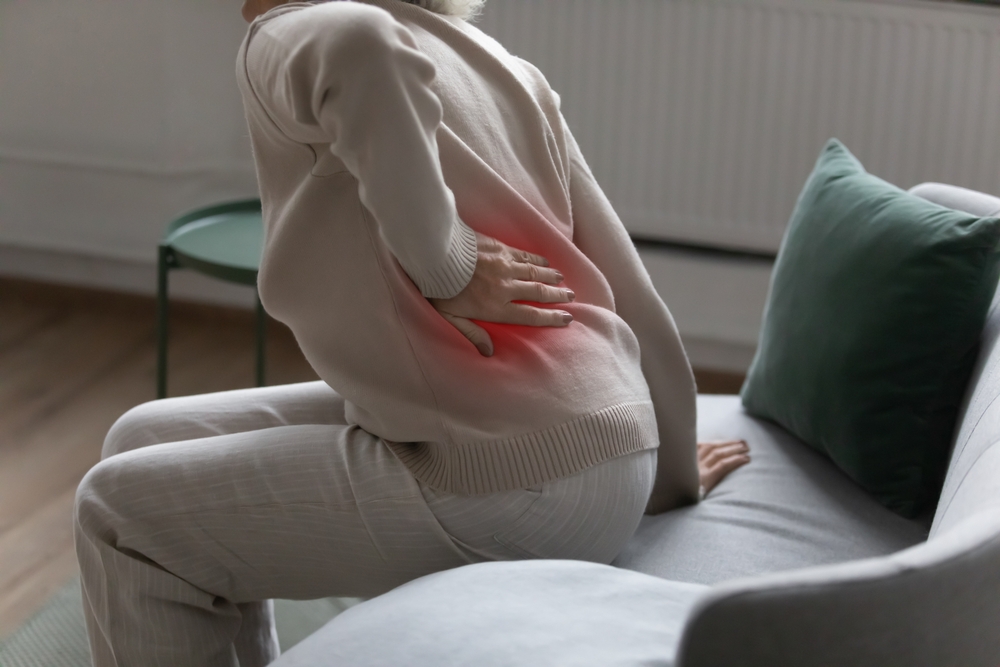
Most people take statins without issue. Still, some experience muscle soreness, liver issues, or a slightly increased risk of diabetes. Side effects are more likely if you’re over 80, female, or have certain medical conditions.
Diet Has a Major Impact on LDL

Cutting back on saturated fats and eliminating trans fats can significantly reduce LDL. A diet rich in plants, whole grains, and fatty fish helps clear cholesterol from the bloodstream — sometimes rivaling the effects of mild medication.
Fiber Is a Cholesterol Super Tool
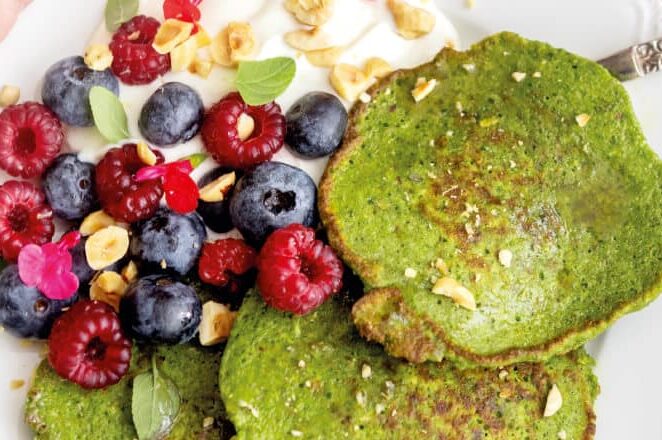
Foods with soluble fiber, like oats, beans, and flaxseed, help flush LDL from the body. It acts like a sponge in your gut, binding cholesterol and escorting it out before it enters your bloodstream.
Exercise Helps Your Heart, Too

While working out doesn’t lower LDL directly, it boosts HDL — the “good” cholesterol that helps remove LDL. Regular physical activity also improves circulation, artery health, and overall cardiovascular fitness.
Not All Exercise Affects Cholesterol Equally

High-intensity workouts may do more to protect your arteries than light activity. Studies show vigorous aerobic exercise can even compete with statins when it comes to preventing arterial stiffness.
Medication Delivers the Fastest Results

Lifestyle changes can reduce cholesterol by 10–20%. But high-dose statins can slash LDL by up to 50–60%, especially for those with dangerously elevated numbers or inherited high cholesterol.
New Drugs May Replace Statins for Some
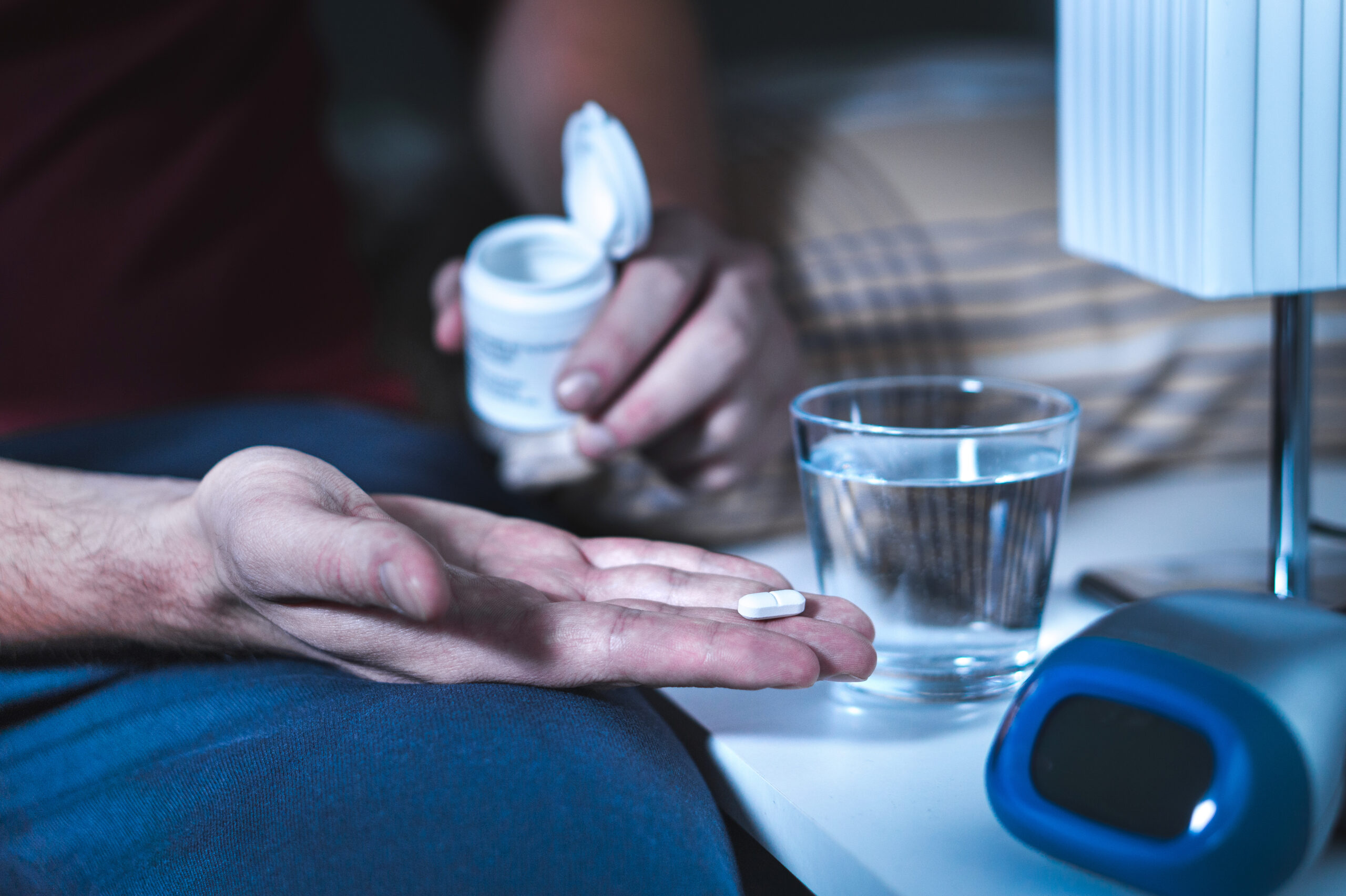
PCSK9 inhibitors, like Repatha and Praluent, are an alternative for those who can’t tolerate statins. These medications lower LDL significantly and carry fewer side effects, though they’re typically more expensive.
Combining Methods Works Best

Doctors emphasize that diet and exercise are still crucial — even if you take medication. Combining healthy habits with the right treatment plan gives the greatest long-term protection against heart disease and stroke.
Artiklen er baseret på informationer fra Healthline