
December is just around the corner, and traveling is a common part of the holiday season.
Constipation is a common problem during trips because our usual routines are disrupted.
Fortunately, there are several ways to prevent and relieve constipation, according to Healthline.
Drink plenty of water
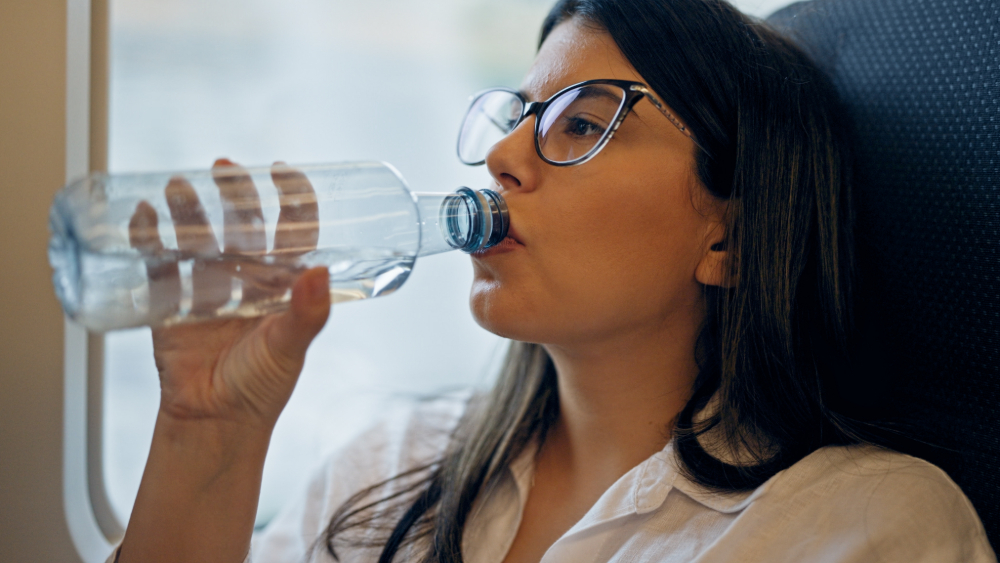
When the body becomes dehydrated, stools can become hard and dry. That is why it is important to drink enough water while traveling.
Also read: Warning signs of gallstones that are easy to mistake for indigestion
Consider bringing a reusable water bottle that you can refill along the way.
Stay active during your journey
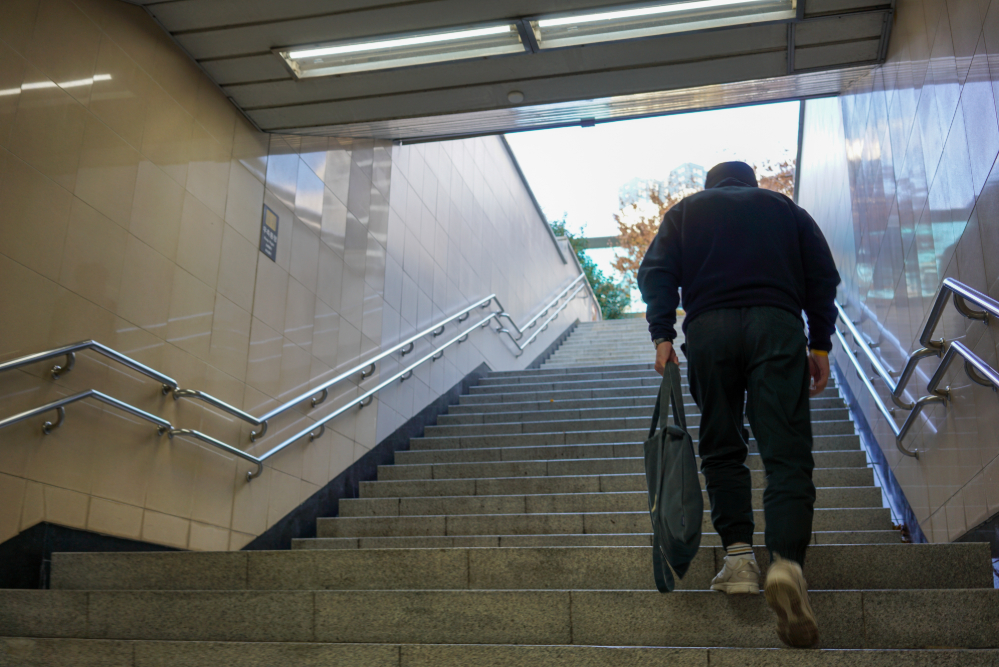
Sitting for long periods while traveling can slow down bowel movements. Try to stay active by walking, stretching or exercising whenever possible.
Eat more fiber
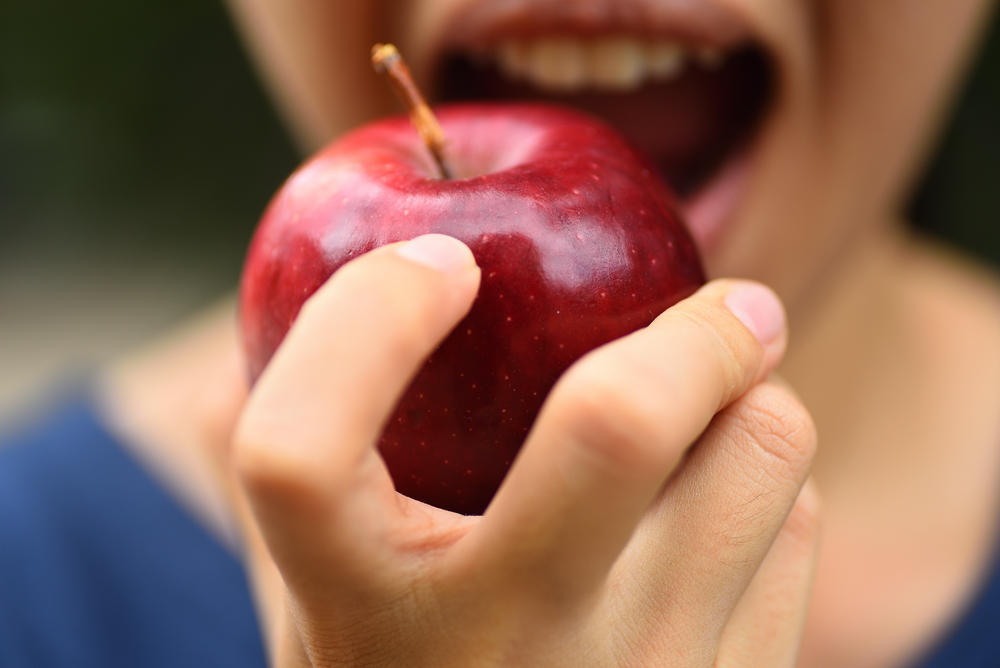
Fiber-rich foods can help keep your digestive system functioning properly. For example, you can bring dried fruit, vegetables or high-fiber snacks.
Remember to drink plenty of water as well, since increasing your fiber intake without drinking enough fluids can make constipation worse.
Also read: Feeling tired and stressed? These signs could point to low magnesium
Go to the bathroom when you feel the urge
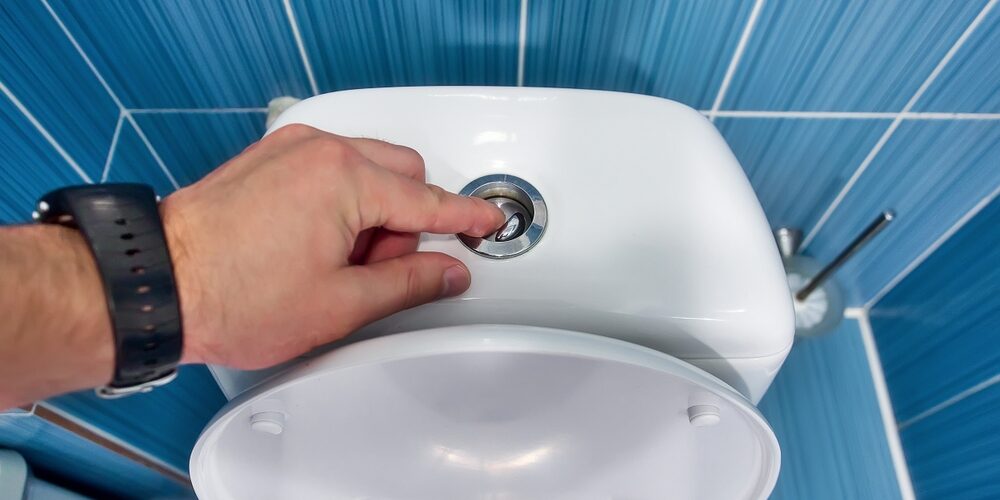
Avoid delaying a trip to the bathroom when you feel the need to have a bowel movement.
The longer stool remains in the colon, the greater the risk of it becoming dry and hard.
Stick to your usual routines
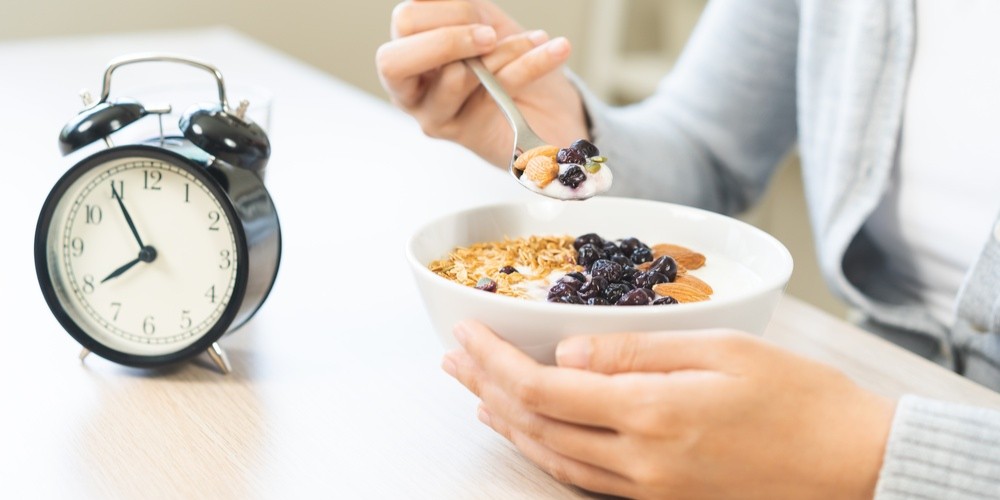
Try to eat, sleep and stay active at roughly the same times as you would at home.
Sudden changes in your daily habits can affect bowel movements.
Also read: A one-hour memory test may help doctors catch Alzheimer's much sooner
Cut back on coffee and alcohol
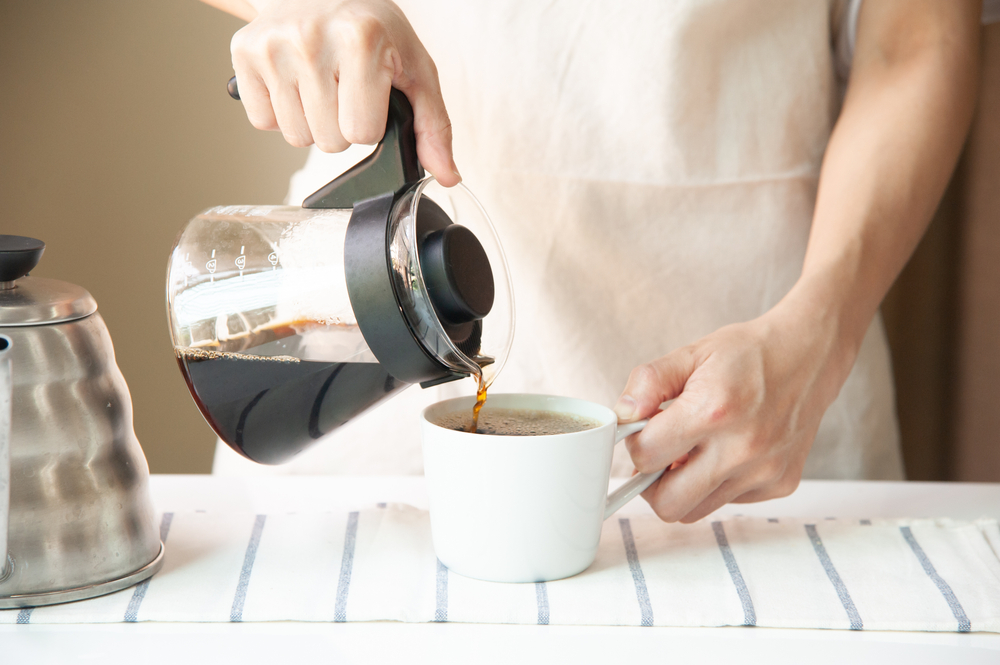
Caffeine and alcohol can contribute to dehydration, potentially increasing the risk of constipation. It may therefore be beneficial to limit your intake while traveling.
Be cautious with unfamiliar foods
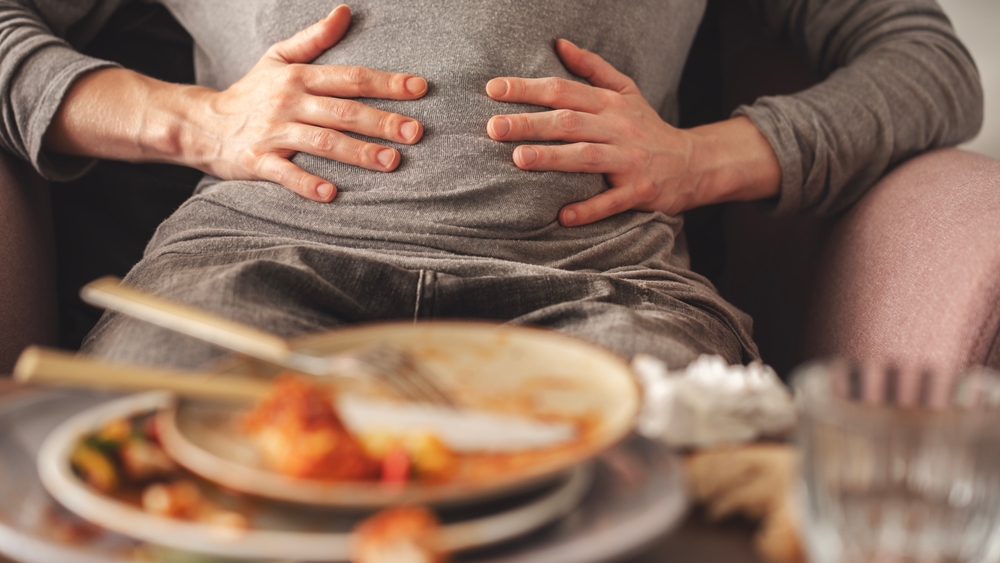
When visiting other countries, both the ingredients and cooking methods may differ from what you are used to.
These differences can affect your bowel movements in unexpected ways.
Consider probiotics

Probiotic supplements can support the growth of beneficial gut bacteria, which may help promote more regular bowel movements.
Also read: 70% of women with PCOS may not know they have it: Here are the symptoms
According to Healthline, it may be beneficial to start taking them a few days before departure.
Limit certain foods
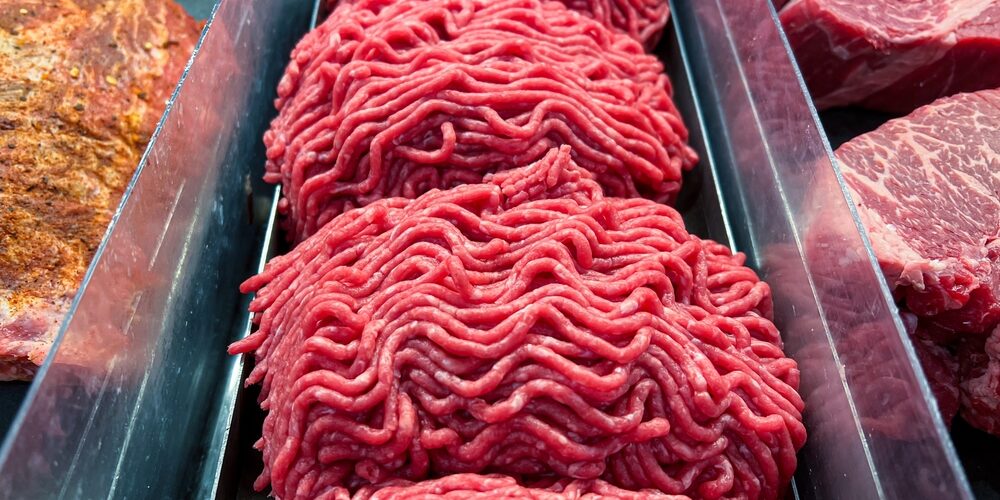
Some foods can slow down bowel movements. These include cooked meat, processed meat products, cheese and milk.
It may therefore be a good idea to limit these foods while traveling.
Consider a fiber supplement
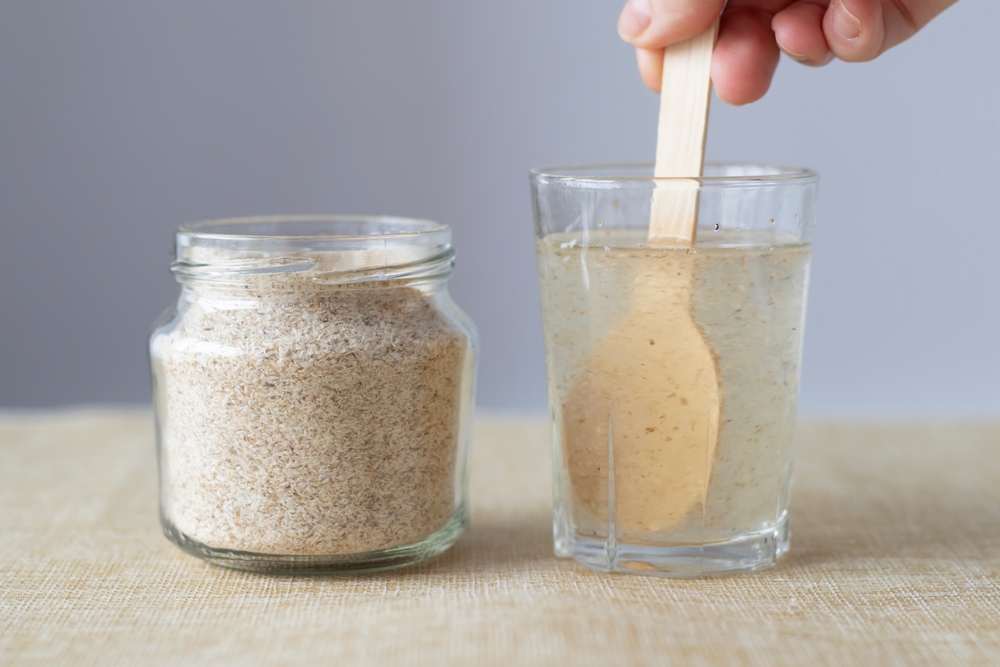
Fiber supplements, such as psyllium husk, can help stool move through the intestines.
Also read: Doctors warn: Hard runs in cold weather can strain even a healthy heart
However, these supplements are not suitable for everyone, and people with certain medical conditions should avoid them. Consult a healthcare professional before taking them.
Try a stool softener

If you frequently experience constipation during longer trips, a stool softener may be an option. These products make stool easier to pass.
Ask a doctor or pharmacist for advice before using over-the-counter medication.
Increase fluid in the intestines
Osmotic laxatives can help increase the amount of fluid in the colon.
This can make stool easier to pass. Some of these products are available over the counter.
Use laxatives

If other methods do not work, stimulant laxatives may be an option. They work by stimulating contractions in the intestinal muscles.
However, these products should not be used more often than necessary, as repeated use can affect normal bowel function.
See a doctor if symptoms persist

Constipation while traveling is common, but persistent symptoms should be investigated. Contact a doctor if the problem continues for several days without signs of improvement.
You should also seek medical attention if you notice blood in your stool, unusual abdominal pain, unexplained weight loss or sudden changes in your bowel habits.
This article is made and published by Ida-Marie Palm Varbæk, who may have used AI in the preparation.