
Several scientific studies point to a possible connection between tattoo ink and an increased risk of certain types of cancer.
However, the findings are not conclusive, and researchers emphasize that a direct causal relationship has not yet been proven.
Studies indicate increased risk of lymphoma

A study published in 2024 in The Lancet showed that individuals with tattoos had a 21 percent higher risk of developing lymphoma, which affects the lymphatic system, a central part of the immune system.
Danish twin study shows significant difference

A Danish study involving nearly 2,700 twins, published in January 2025 in BMC Public Health, found that tattooed individuals had a 62 percent higher risk of skin cancer and nearly three times the risk of lymphoma when they had large tattoos.
Also read: Price war in weight-loss market: Novo Nordisk slashes prices
Research remains inconclusive

Although several studies identify an association, they have not proven that tattoos directly cause cancer.
The findings demonstrate statistical correlations, but not documented cause and effect.
One study shows lower risk of melanoma
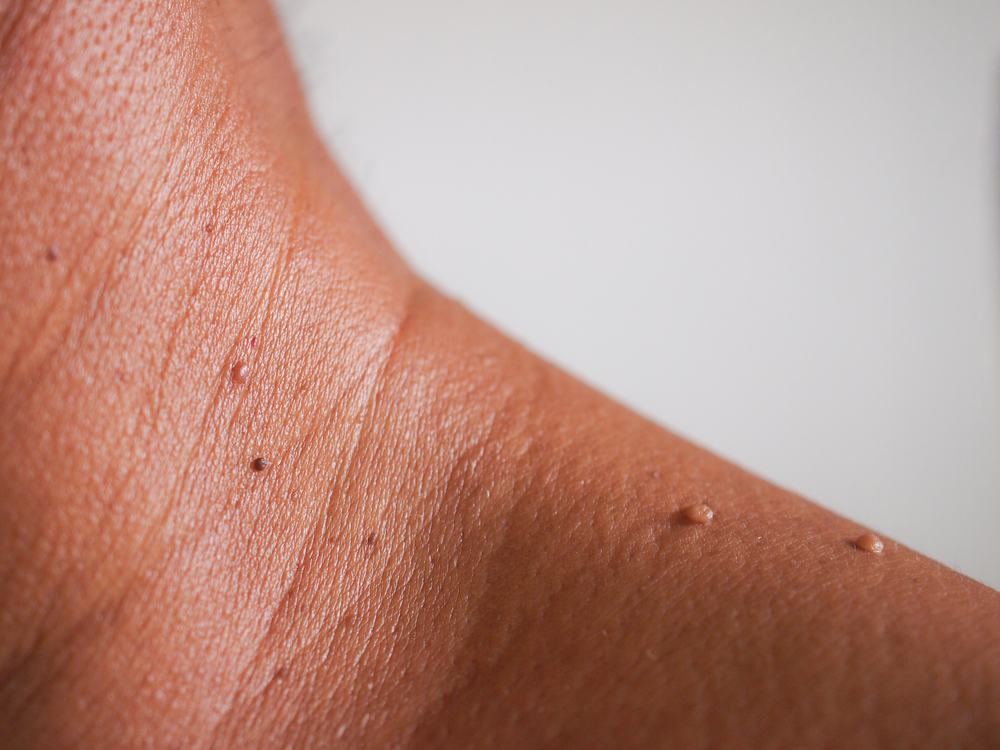
A study from December 2025 published in the Journal of the National Cancer Institute found that individuals with three or more large tattoos had a 74 percent lower risk of melanoma compared with individuals without tattoos.
Ink particles travel through the body

When ink is injected into the skin, microscopic particles can over time be transported through the lymphatic system and accumulate in the lymph nodes, where they may build up and create hidden inflammation.
Also read: Results from 159,000 participants suggest this diet may reduce the risk of cognitive decline
The immune system reacts to the ink

The body perceives tattoo ink as foreign material and activates the immune system in an attempt to remove it, which may result in prolonged immune activation.
Animal studies show long-term inflammation

A study published in November 2025 in PNAS showed that tattoo ink in mice accumulated in specific immune cells within the lymph nodes.
The cells died and triggered a prolonged inflammatory response.
Ink may affect vaccine effectiveness

In the same mouse experiment, tattoo ink at the vaccination site altered the immune response to vaccines against COVID-19 and influenza.
Also read: New analysis: Six out of ten women may be overweight in 2050
Certain colors contain problematic substances
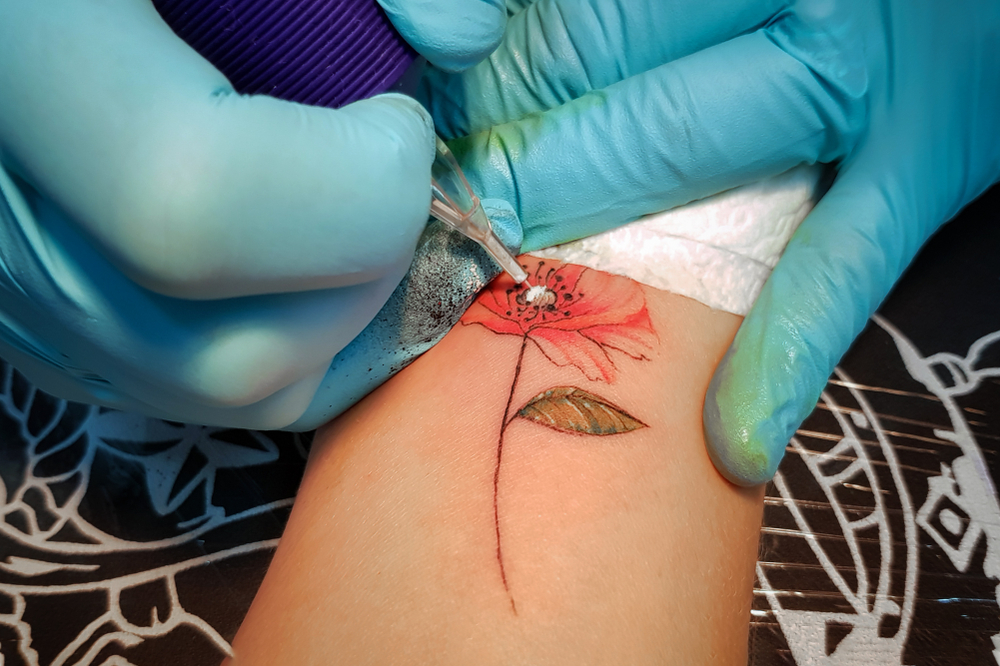
Black ink may contain polycyclic aromatic hydrocarbons, which are associated with an increased cancer risk, while red ink may contain azo dyes that can break down into potentially carcinogenic compounds when exposed to UV light.
Heavy metals may be present

Some types of tattoo ink may contain lead, cadmium, and mercury, as well as solvents and additives such as formaldehyde and phenol, which are associated with toxicity and allergic reactions.
Chronic impact on the body

The accumulation of ink and metals may trigger chronic immune activation, oxidative stress, and abnormal growth of lymphocytes, all of which are known risk factors for cancer.
Size may matter

While the Lancet study did not find a link between tattoo size and risk, the Danish study showed that tattoos larger than a palm were associated with nearly triple the risk of lymphoma compared with individuals without tattoos.
Also read: Study explores connection between caffeinated drinks and dementia
Laser removal is not the solution

Laser treatment fragments ink particles and may increase the spread of potentially carcinogenic substances to the lymph nodes.
The study in The Lancet showed that individuals who had undergone laser tattoo removal had a two-and-a-half-times higher risk of lymphoma.
Prevention and awareness are important

Experts recommend maintaining a healthy lifestyle with a balanced diet, smoking cessation, regular exercise, limited alcohol consumption, and effective sun protection.
Individuals with tattoos should use sunscreen with at least SPF 30, undergo regular skin examinations, and seek medical attention if they notice swollen lymph nodes or lumps in the body.
Also read: Doctor outlines physical symptoms associated with dementia
Sources: National Geographic, The Lancet, BMC Public Health, Journal of the National Cancer Institute, and PNAS.