
Obesity is more than a weight issue — it’s now a proven risk factor for multiple cancers.
Here are the 13 common cancer diagnoses that, according to a study being presented at ENDO 2025, the Endocrine Society’s annual meeting in San Francisco, California, are directly linked to obesity.
Esophageal adenocarcinoma

Obesity can increase stomach acid reflux, damaging the esophagus lining and raising the risk of this aggressive cancer type.
Breast cancer after menopause

For women who have gone through menopause, excess body fat can boost estrogen levels, significantly increasing breast cancer risk.
Also read: Baking Soda Isn’t Just For Cookies: Genius Uses You Need To Try
Colon and rectal cancer

Obesity can alter gut health and inflammation, which plays a key role in developing cancers of the colon and rectum.
Uterine cancer

Higher estrogen levels caused by excess fat tissue heighten the risk of cancer in the lining of the uterus.
Gallbladder cancer

Obesity is linked to more chronic gallbladder inflammation, which can lead to gallbladder cancer.
Upper stomach cancer

Carrying extra weight can affect the upper part of the stomach, increasing the likelihood of cancer in this area.
Also read: You Won’t Believe It: This One Drink Can Flatten Your Belly
Kidney cancer

Obesity is a well-known risk factor for renal cell carcinoma, the most common type of kidney cancer.
Liver cancer
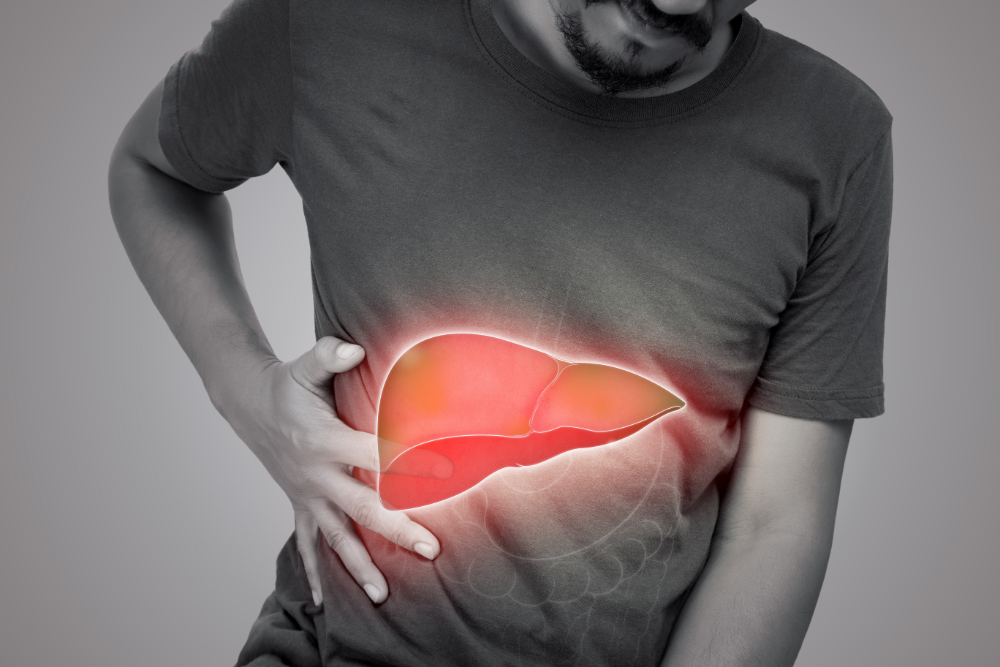
Fatty liver disease, more common in obese individuals, can progress to cirrhosis and liver cancer over time.
Ovarian cancer

In women, obesity disrupts hormone balance, which may contribute to the development of ovarian cancer.
Pancreatic cancer
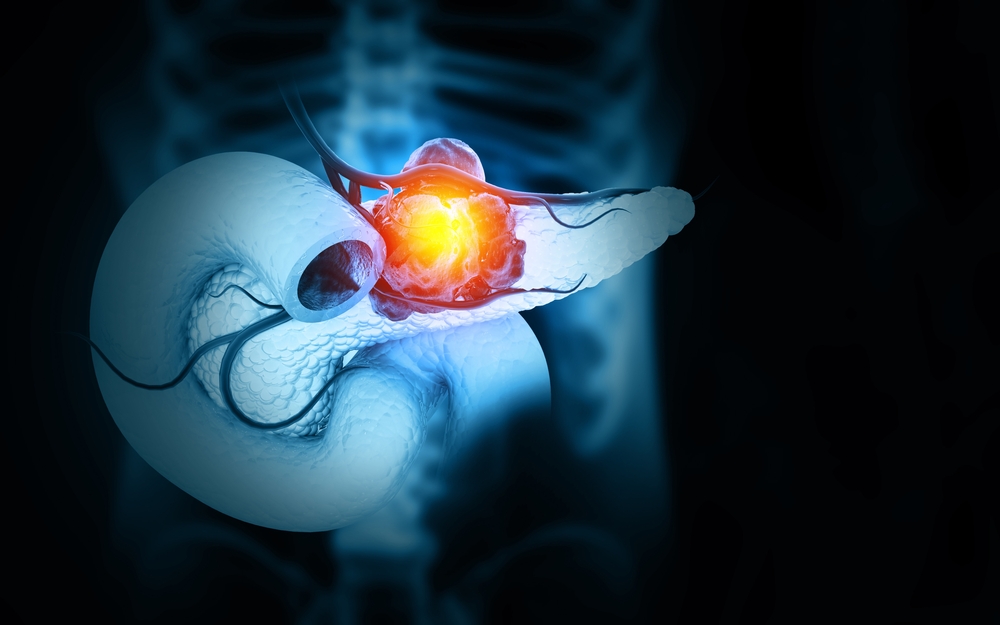
Obesity is strongly associated with pancreatic cancer, a particularly deadly form because it is often detected late.
Also read: Never Get Hangry Again: Easy Snacks for Planes, Trains, and Cars
Thyroid cancer

Studies suggest that people with higher body weight have a greater risk of developing thyroid cancer.
Meningioma (brain cancer)

A meningioma is a tumor in the brain’s lining, and obesity increases the likelihood of developing this type of brain cancer.
Multiple myeloma

Obesity is linked to a higher chance of multiple myeloma, a cancer that affects plasma cells in the bone marrow.
This article is based on information from Science Daily.
Also read: Stop Blood Sugar Spikes: Simple Things to do After Dinner
Also read: 10 Snacks that Actually Make You Happier
This article is made and published by Ida-Marie Palm Varbæk, who may have used AI in the preparation.