
The heart works continuously to pump oxygen-rich blood throughout the body. When its performance begins to decline, the body can send subtle warning signals that are often dismissed as stress, aging or simple fatigue.
Shortness of breath during activity

Experiencing breathlessness after minimal effort, such as climbing stairs or walking short distances, may signal that fluid is building up in the lungs due to reduced pumping efficiency.
Persistent fatigue

Ongoing exhaustion despite adequate rest can occur when the heart fails to deliver enough oxygenated blood to tissues and muscles, leaving the body low on energy.
Swelling in feet and ankles
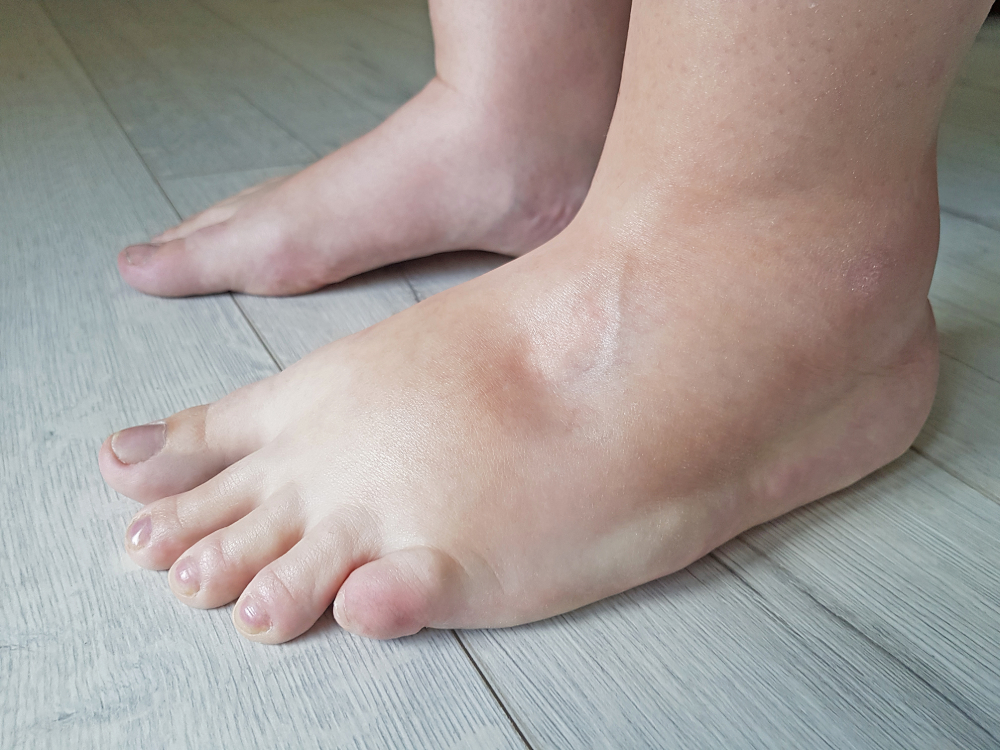
When circulation slows, fluid can accumulate in the lower limbs, leading to noticeable swelling in the feet, ankles or legs.
Also read: Why your urine may smell like popcorn - and when to be concerned
Rapid heartbeat

The heart may attempt to compensate for weaker pumping by beating faster than normal, which can be felt as an unusually high pulse.
Irregular heart rhythm

Palpitations or uneven heartbeats, especially when combined with dizziness or breathlessness, may indicate strain on the heart muscle.
Chest pressure

Chest discomfort is not always sharp pain. A feeling of tightness, pressure or heaviness during physical or emotional stress can reflect reduced blood flow to the heart.
Severe exhaustion

Marked and unusual tiredness can be linked to the heart’s inability to circulate blood effectively throughout the body.
Also read: Trying to improve your gut? Start with fiber variety
Dizziness

Lightheadedness may occur if the brain does not receive sufficient blood supply, potentially due to low cardiac output.
Fainting

Sudden loss of consciousness is particularly concerning and requires immediate medical attention.
Reduced exercise tolerance

Activities that were once manageable, such as walking or light household tasks, may become increasingly difficult as heart function declines.
Gradual worsening of symptoms

Many of these warning signs develop slowly over time and may intensify if left unaddressed.
Also read: Why some experts recommend washing feet with vinegar and salt
Symptoms often misinterpreted

Several of these indicators are frequently mistaken for normal aging, stress or everyday tiredness, which can delay proper medical evaluation.
Sources: TN
Also read: New study finds short afternoon nap may improve learning