
Pumpkin seeds are small but nutrient-dense, offering a wide range of health benefits.
You can eat them any time of day, but certain moments make their nutrients work even better for your body.
For energy

Pumpkin seeds contain healthy fats, protein, and B vitamins that support energy production and help you stay full longer. They promote focus and endurance.
Add them to oatmeal, yogurt, or a smoothie in the morning for a steady energy boost.
Also read: Doctors warn of the early symptom that could signal womb cancer
For better focus

The B vitamins B1, B2, B3, and B12 in pumpkin seeds help the brain convert nutrients into energy and reduce fatigue.
Because they are water-soluble and not stored in the body, eating them daily helps maintain optimal levels.
For a stronger immune system

Pumpkin seeds are rich in zinc and antioxidants such as vitamins A, C, and E, which strengthen immunity and protect against infections.
Eating them at any time of day supports the body’s natural defenses.
Also read: Breakthrough treatment shows signs of reversing hair loss naturally
For digestion
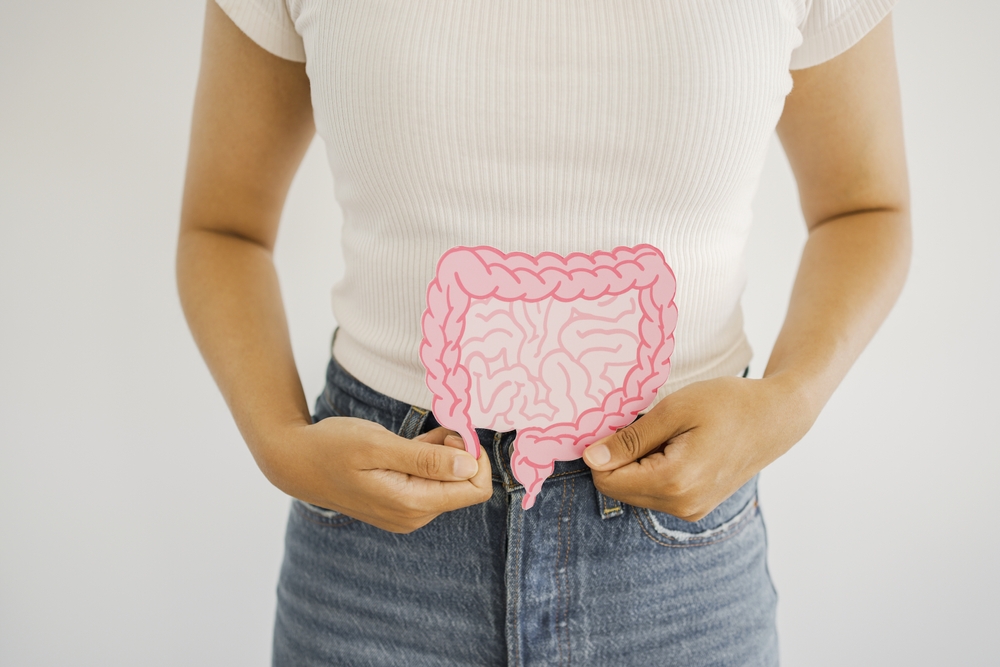
With their high fiber content, pumpkin seeds promote digestive health and regular bowel movements.
They are easy to digest and help the body absorb nutrients more efficiently. Eat them in the morning as part of breakfast for best results.
For post-workout recovery

Protein and magnesium in pumpkin seeds support muscle repair and replace minerals lost through sweating.
A small handful after exercise, combined with fruit or yogurt, can aid recovery.
Also read: Experts reveal common kitchen habits that could make you ill
For better sleep

Pumpkin seeds are a natural source of tryptophan, an amino acid that helps produce serotonin and melatonin which are the hormones that regulate sleep.
Their magnesium also relaxes muscles and calms the nervous system. Enjoy them in the evening or as a bedtime snack.
For stable iron levels

Pumpkin seeds provide iron, essential for oxygen transport and energy production.
Including them in your daily diet can help maintain healthy iron levels and prevent fatigue.
Also read: Eat your way to a stronger immune system: The best sources of vitamin D
For sufficient magnesium

A one-ounce serving of pumpkin seeds offers about 150 mg of magnesium, a mineral vital for energy metabolism and proper muscle and nerve function.
For efficient nutrient absorption
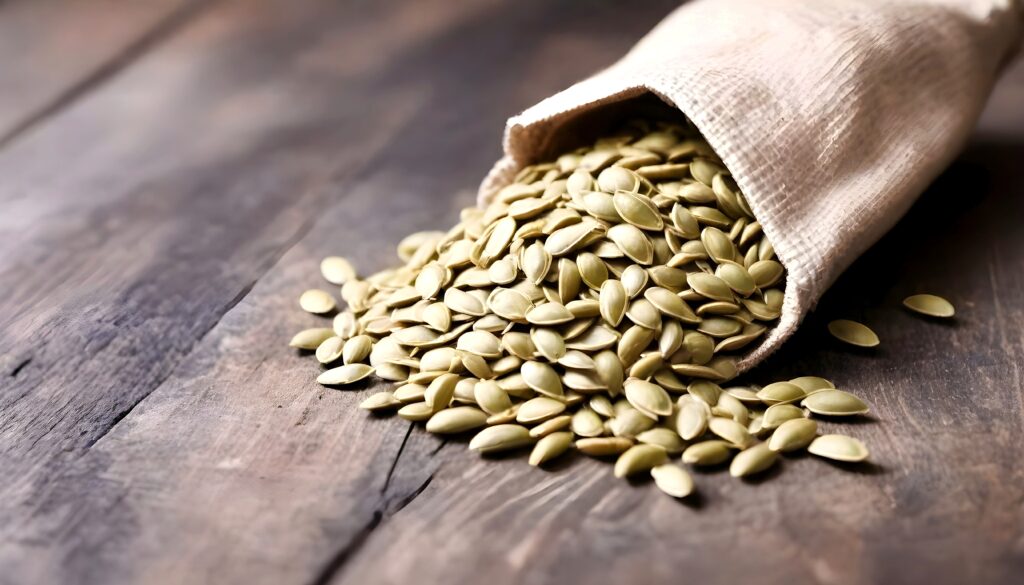
Pumpkin seeds combine fiber, healthy fats, and protein, which together enhance digestion and improve the body’s ability to absorb essential vitamins and minerals.
Allergies and other illness

People with allergies, a tendency to develop kidney stones, or sensitive digestion should be cautious and may want to consult a healthcare professional before adding them to their diet.
For a balanced diet

While pumpkin seeds are highly nutritious, they are also calorie-dense.
Also read: Avoid eating avocados if you’re taking these medications
A typical 30-gram serving provides 166 calories, 12 grams of fat, 9 grams of protein, and 1.5 grams of fiber.
This article is based on information from Verywell Health.
This article is made and published by Ida-Marie Palm Varbæk, who may have used AI in the preparation.