
High blood pressure usually causes no noticeable symptoms, but in severe cases the body can send serious warning signs.
High blood pressure often has no symptoms
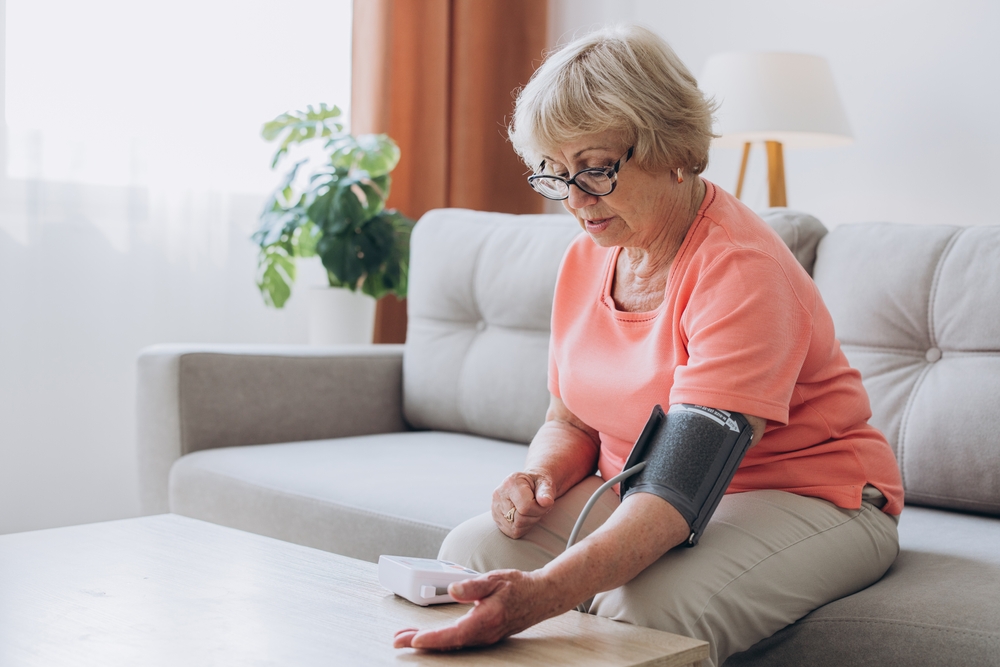
For most people, high blood pressure does not cause clear signs or physical discomfort. You can have the condition without realizing it.
Why it is called the silent killer
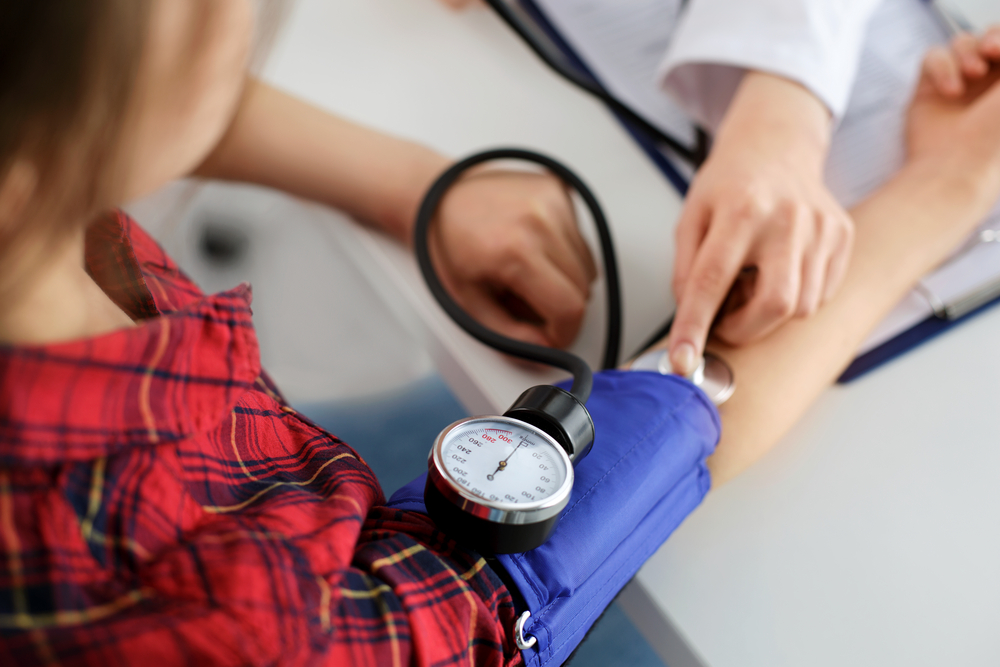
Because symptoms are typically absent, high blood pressure is often discovered only during a routine measurement in a health care setting.
Symptoms may appear at extremely high levels

Although high blood pressure usually goes unnoticed, symptoms can occur when readings become dangerously high.
Also read: How to deal with stubborn white spots on the skin
Chest pain can be a warning sign

Chest pain may occur when blood pressure is higher than 180 over 120 and requires immediate attention.
Shortness of breath may signal danger
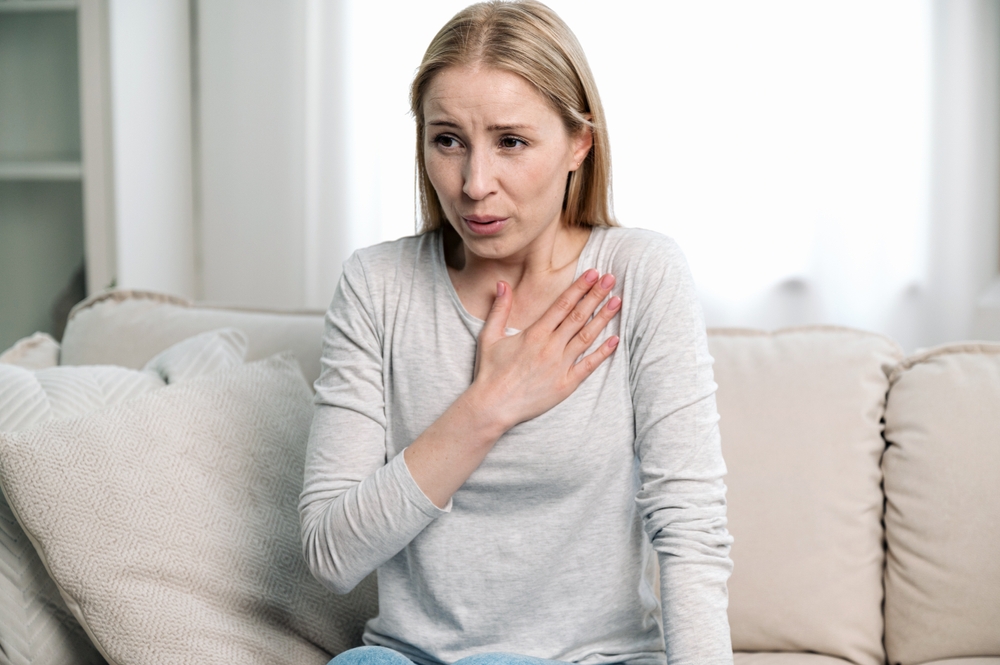
Experiencing shortness of breath together with extremely high blood pressure can indicate a serious situation.
Back pain can occur during a hypertensive crisis
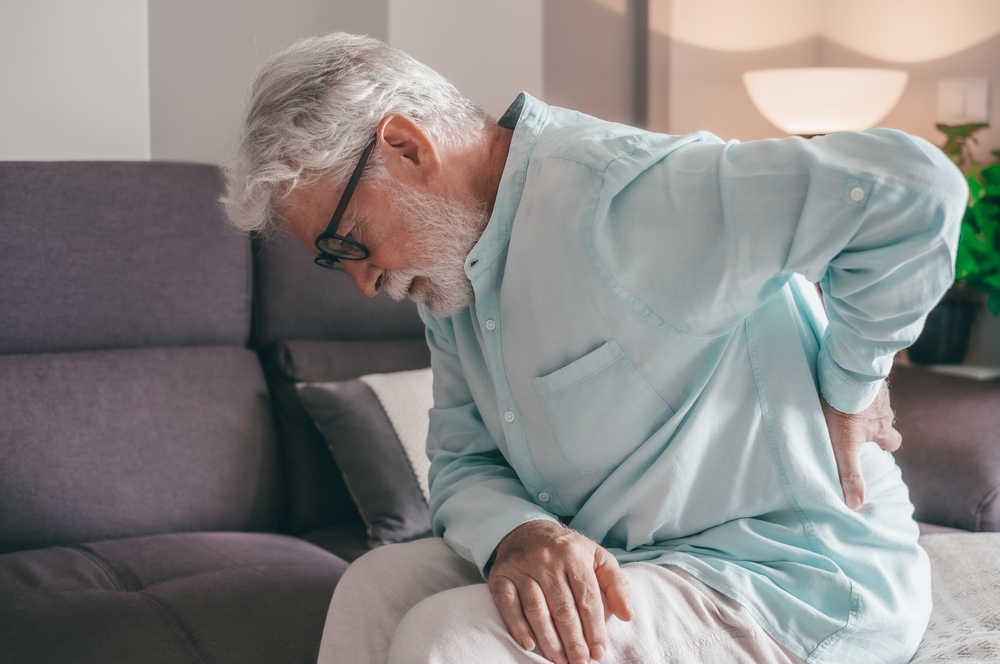
Sudden back pain is listed as a possible symptom when blood pressure reaches critical levels.
Numbness may be a serious symptom
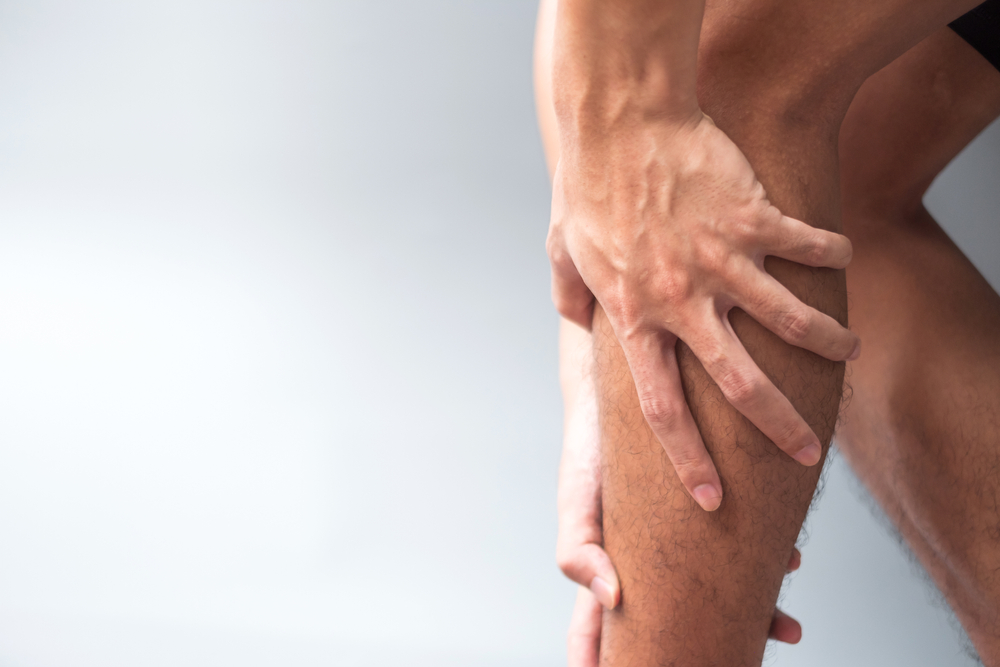
A feeling of numbness can appear in connection with a hypertensive emergency.
Also read: New research puts spotlight on overlooked ingredient in Ozempic and Wegovy pills
Weakness in the body should be taken seriously

Sudden weakness combined with extremely high blood pressure is a warning sign that requires urgent action.
Changes in vision can be related to blood pressure
Vision changes are among the symptoms that may occur when blood pressure is critically elevated.
Difficulty speaking can indicate an emergency

Trouble speaking along with a blood pressure reading above 180 over 120 may signal a hypertensive emergency.
When to call emergency services
If your blood pressure is higher than 180 over 120 and you experience chest pain, shortness of breath, back pain, numbness, weakness, changes in vision or difficulty speaking, you should call 911 immediately.
Also read: Pharmacist warns about overlapping vitamin intake
Severe high blood pressure without symptoms

If your blood pressure is above 180 over 120 but you do not have symptoms, you should contact your health care professional as soon as possible.
Measurement is essential
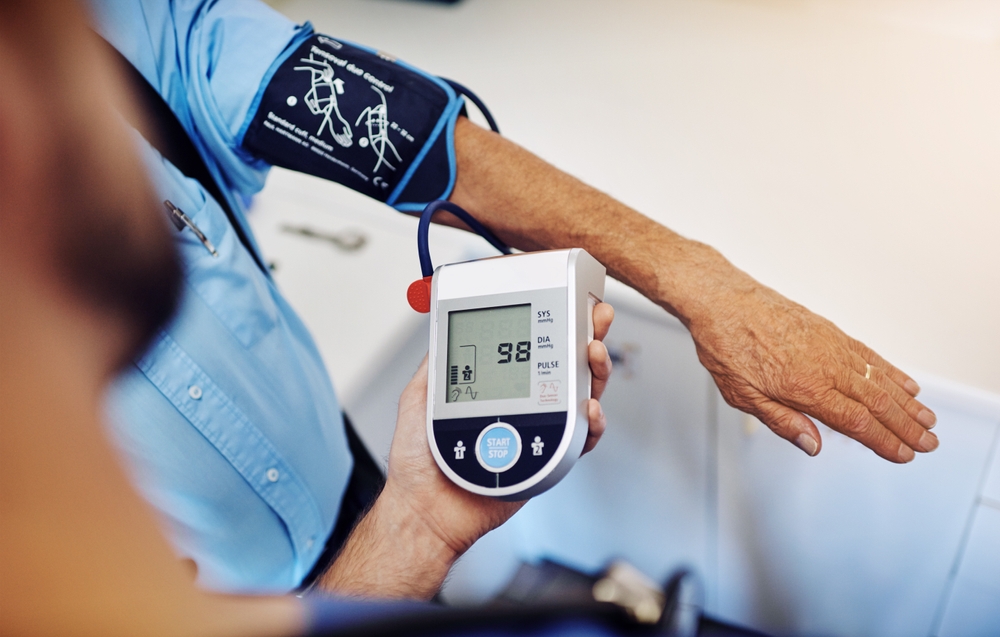
Since high blood pressure often has no symptoms, measuring your blood pressure is the only way to know whether you have the condition.
Sources: American Heart Association
Also read: These bodily symptoms may be linked to stress
Also read: New study links high tyrosine levels to shorter lifespan in men