
Most people associate hydration with what we drink, but our diet also plays a significant role in the body’s fluid balance.
Some foods can actually increase fluid loss and make you feel thirstier throughout the day, writes Real Simple.
Why fluids are important

Water makes up about 60 percent of the body and is essential for functions such as temperature regulation, digestion, and the transport of nutrients.
It also helps the brain communicate and protects the body’s tissues.
Also read: Not all types of alcohol are equally harmful, new research suggests
Signs of dehydration

Thirst is often the first sign, but dehydration can also lead to symptoms such as fatigue, headaches, dizziness, dark urine, and a weakened immune system.
In severe cases, it can become dangerous.
Why certain foods dehydrate you
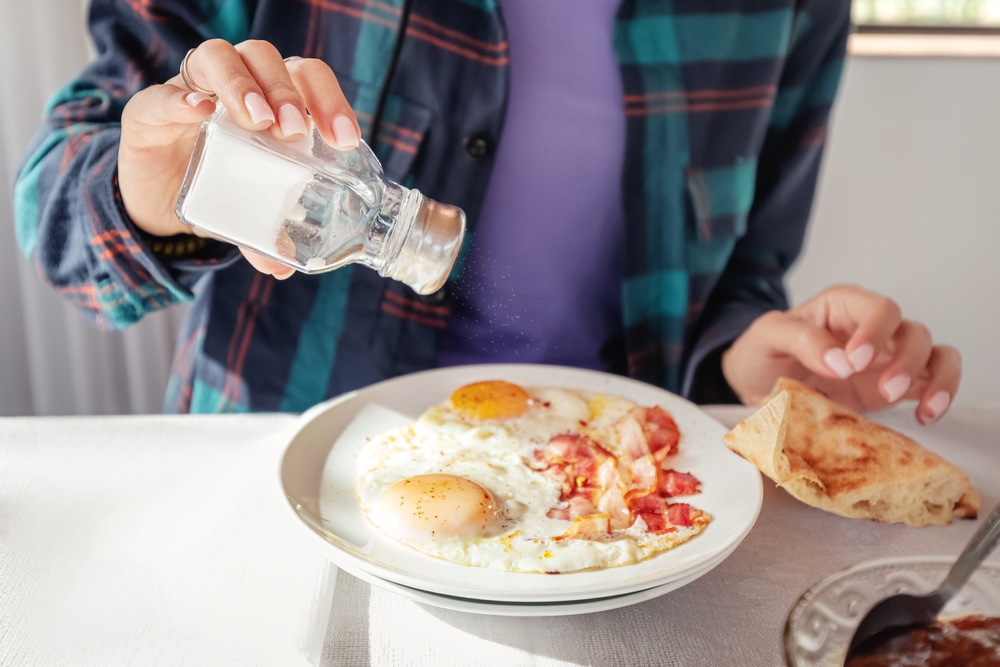
Foods high in sodium, protein, and added sugar can draw fluid out of the body’s cells or increase fluid loss through urine.
Processed foods
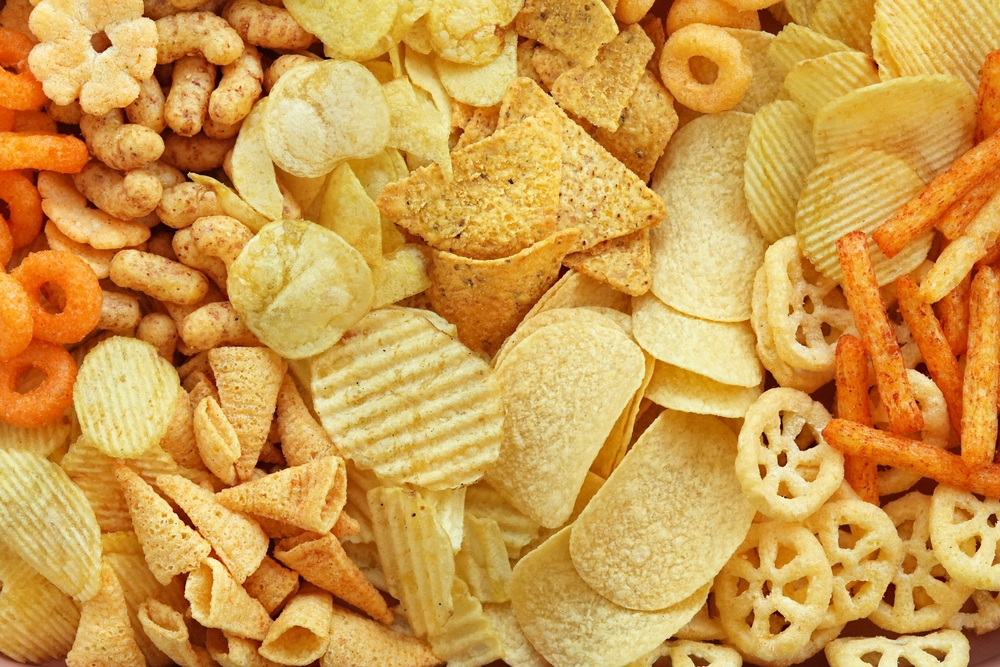
Ultra-processed products such as chips, ready meals, and sweets often contain large amounts of salt and sugar, which together can negatively affect the body’s fluid balance.
Also read: War linked to rising mental health issues among ukrainian children
Cold cuts and processed meat
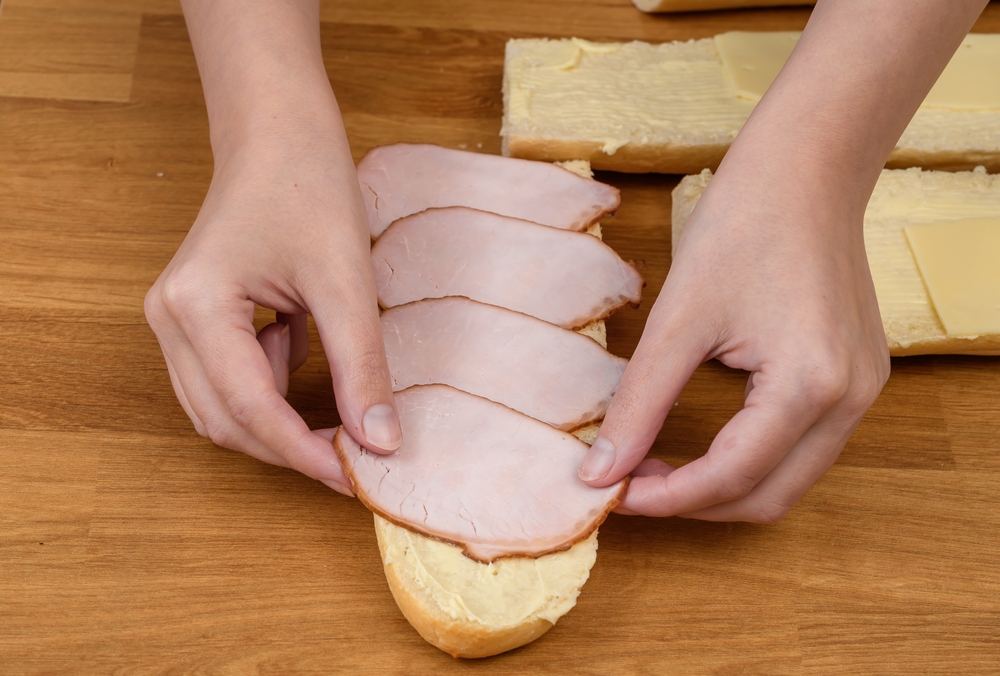
Cold cuts such as ham and bacon typically contain high levels of sodium and sometimes added sugar, which can contribute to dehydration.
Pickles
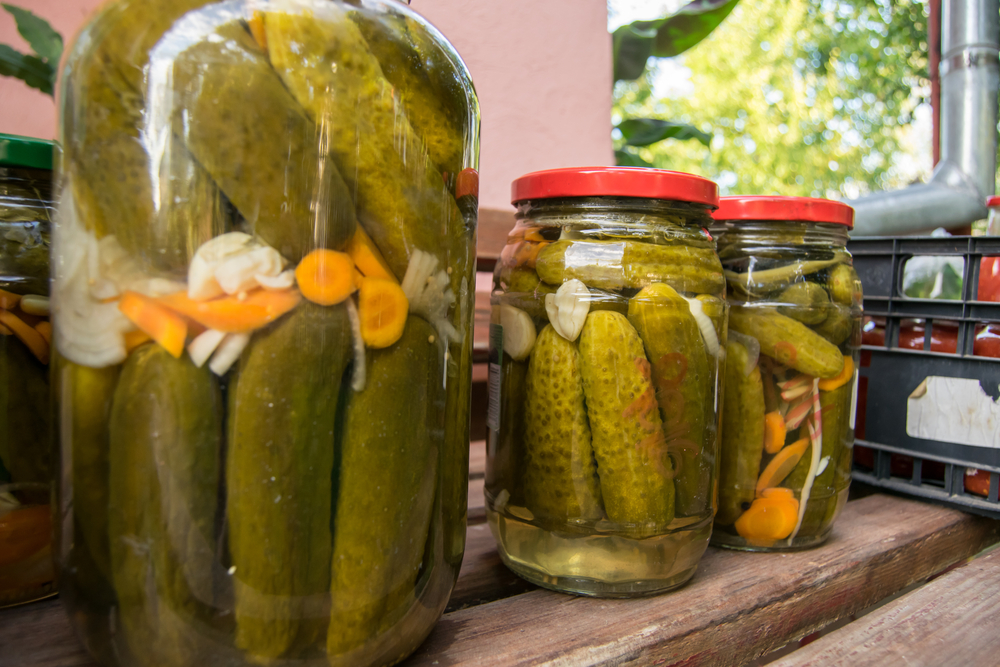
Pickled foods such as pickles are often very salty, making them a source of increased fluid loss.
Soy sauce
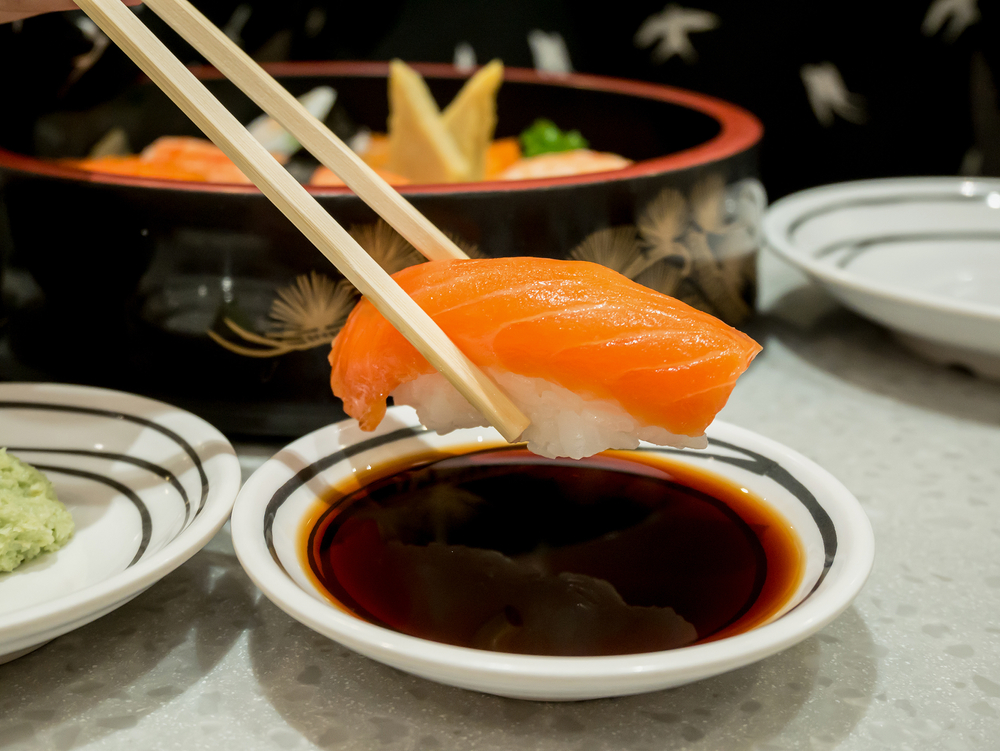
Soy sauce is known for its high sodium content and can therefore have a dehydrating effect, even in small amounts.
Sweets and desserts

Cakes, ice cream, and cookies with added sugar can cause the body to excrete more fluid, and some sugar substitutes may even lead to diarrhea.
Also read: How white bread can affect your body if you eat it every day
Asparagus in large amounts
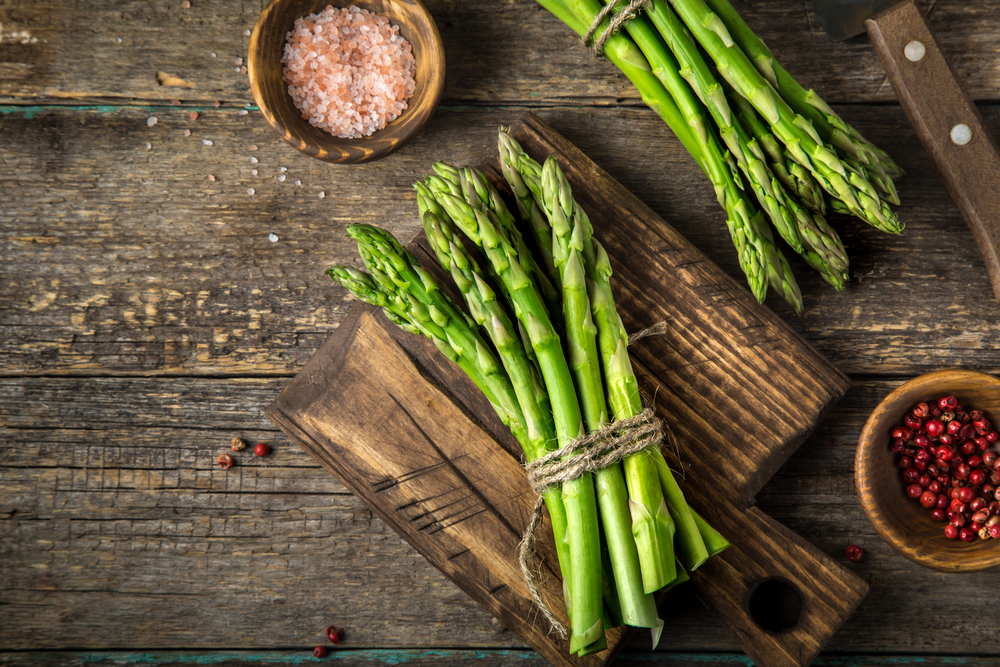
Asparagus contains the compound asparagine, which has a diuretic effect, but this is primarily an issue when consumed in very large amounts.
Artichokes
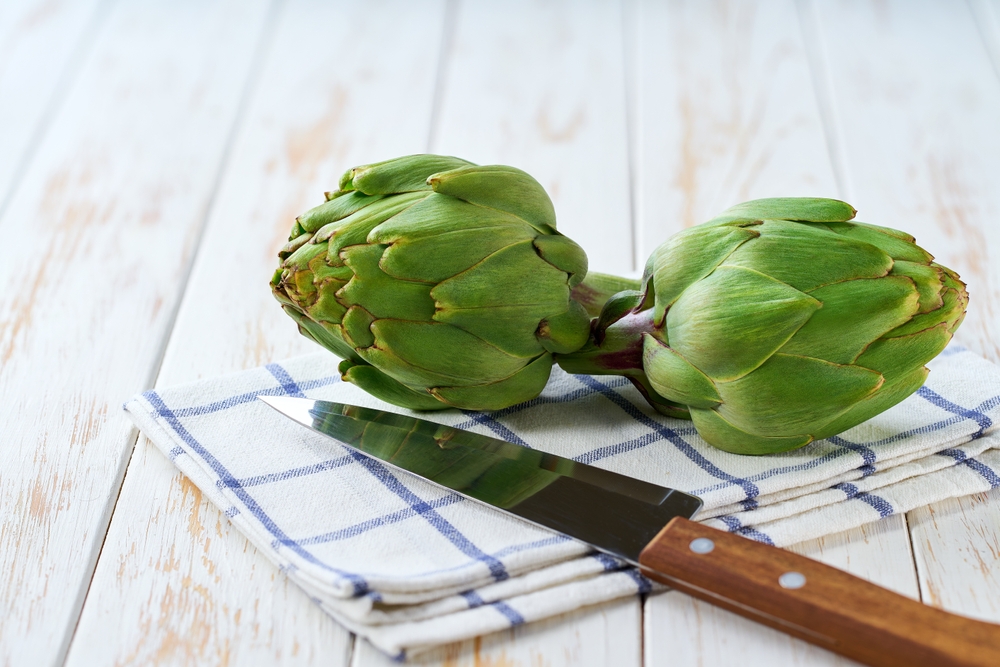
Artichokes are also rich in asparagine and may have a mild diuretic effect, although they rarely impact fluid balance significantly.
Beets
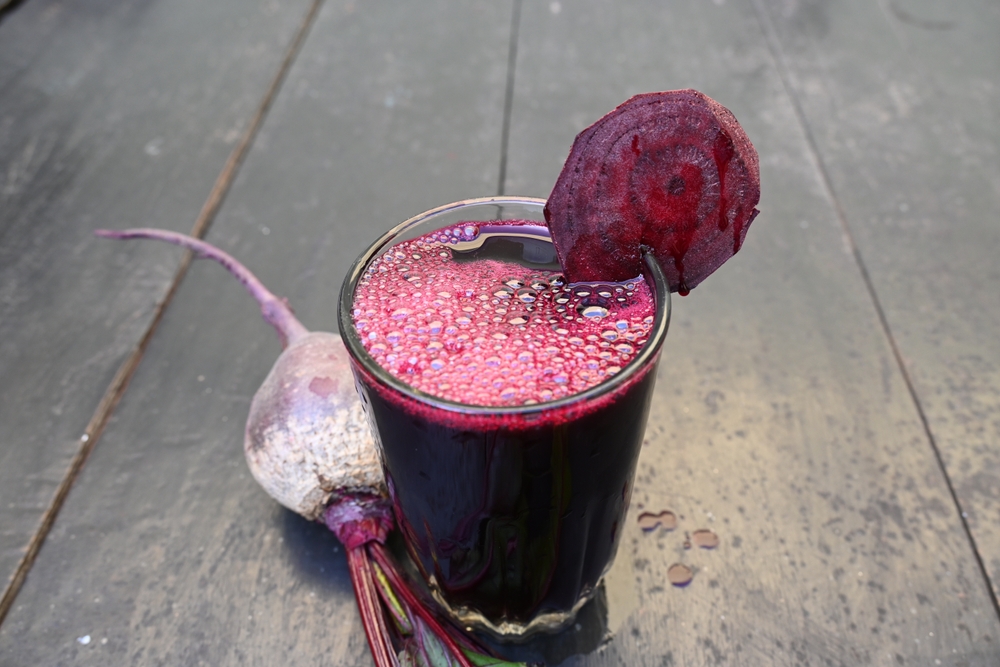
Beets contain a high amount of potassium, which can increase fluid excretion and make you urinate more frequently.
Pizza
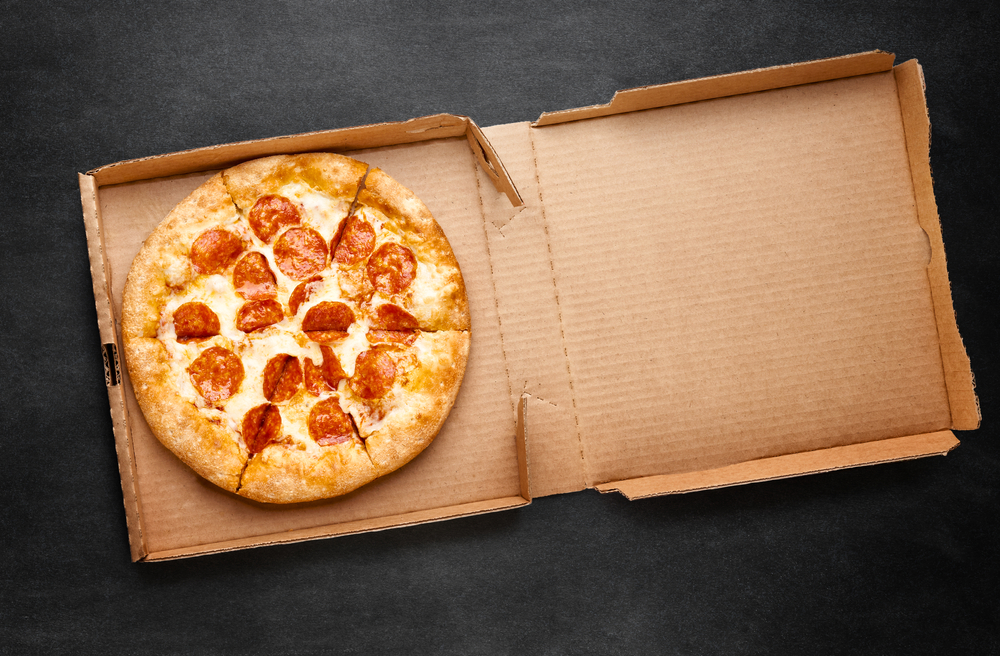
Pizza contains sodium in both the dough, cheese, and toppings, which can contribute to dehydration despite some fluid content from the tomato sauce.
Also read: Retirement means more time, more opportunities – and an identity crisis, research shows
Salted nuts
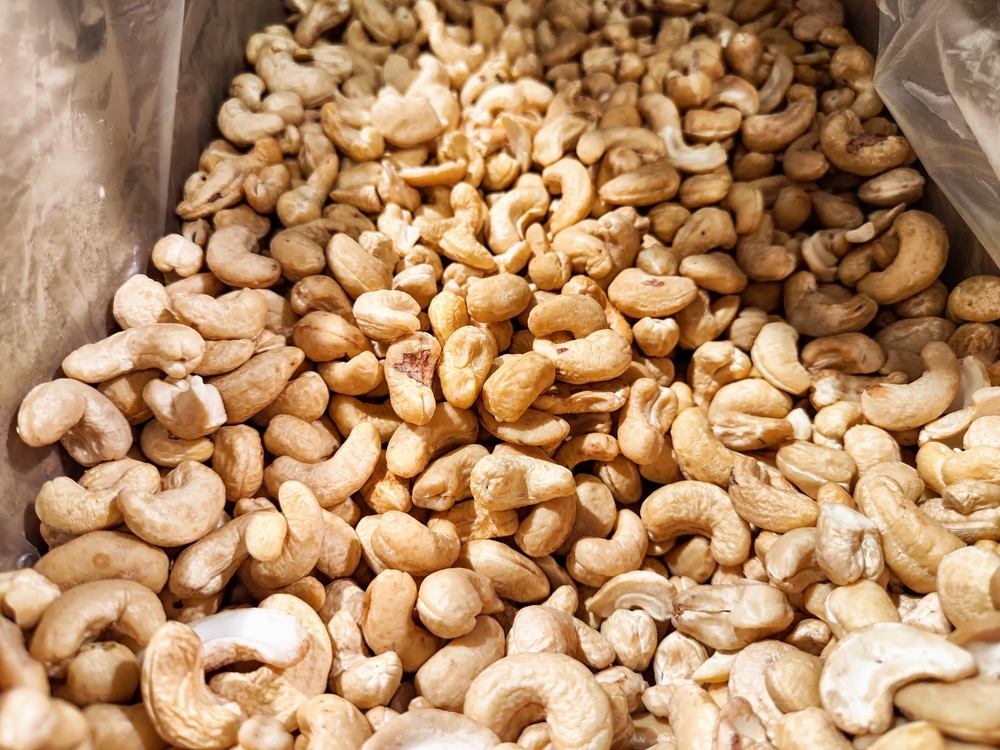
Although nuts are healthy, salted varieties can contain significant amounts of sodium, especially if more than a small portion is consumed.
High-protein foods in large amounts
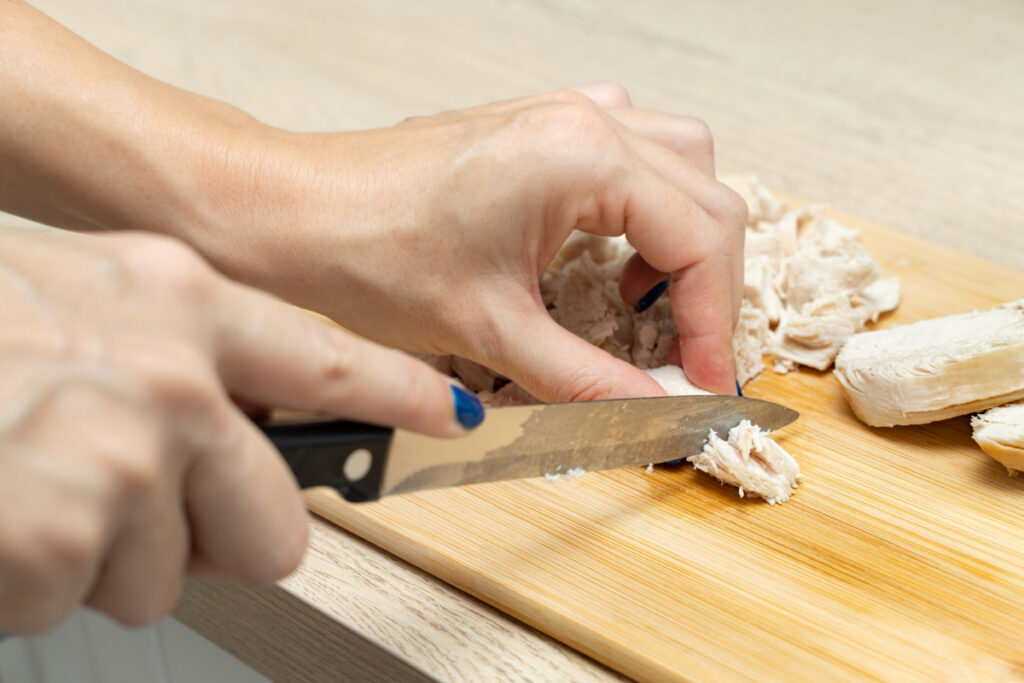
A very high protein intake requires extra fluid to be broken down and can put strain on the kidneys, increasing fluid loss.
Foods high in added sugar
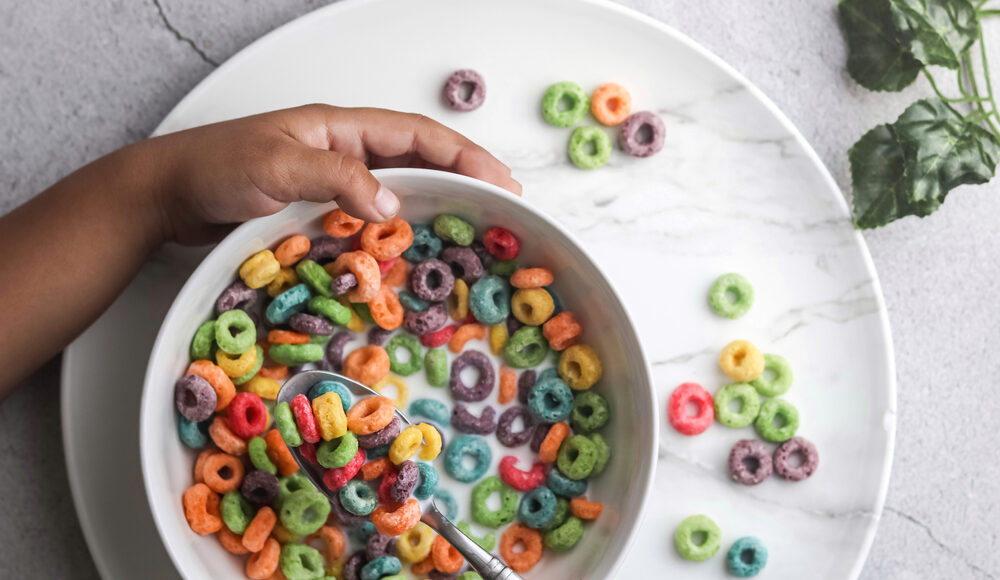
When there is a high level of sugar in the blood, the body draws water out of the cells and excretes it through urine, which can lead to dehydration.
How to maintain fluid balance
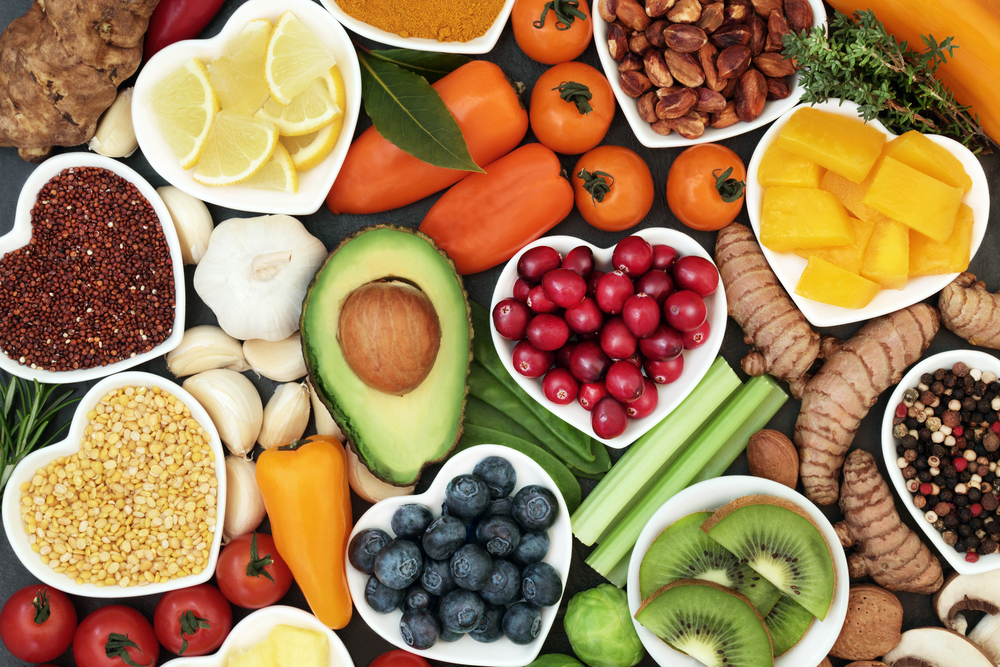
You do not need to avoid these foods entirely, but it is important to combine them with fluids and water-rich foods such as fruits and vegetables, as well as prioritizing fluid intake throughout the day.
Also read: How to effectively remove tonsil stones yourself
Sources: Real Simple.