
Fruit is often associated with vitamins, fibre and natural sugar, but some varieties also provide protein.
Here are several fruits and tips from iDNES.cz that can help increase the nutritional value of your diet.
Guava
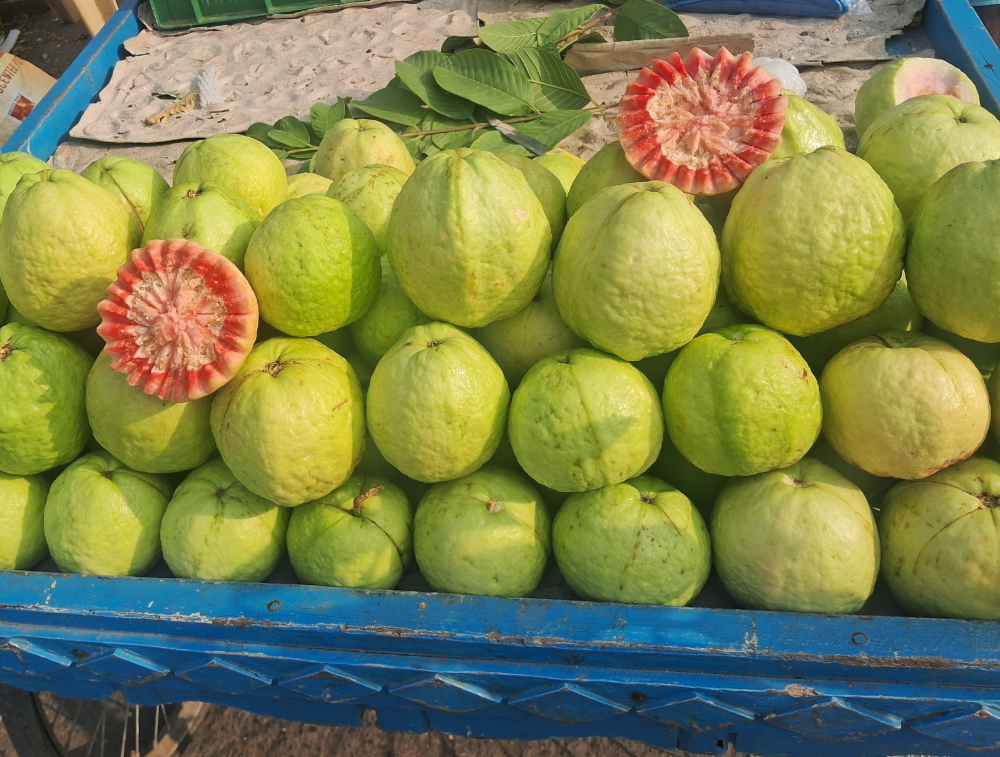
Guava contains around 2.6 grams of protein per 100 grams.
According to iDNES.cz, a serving about the size of a coffee cup can provide approximately 4.2 grams of protein. The fruit is also high in vitamin C.
Also read: How your bread can stay fresh for up to 8 months
Dried apricots
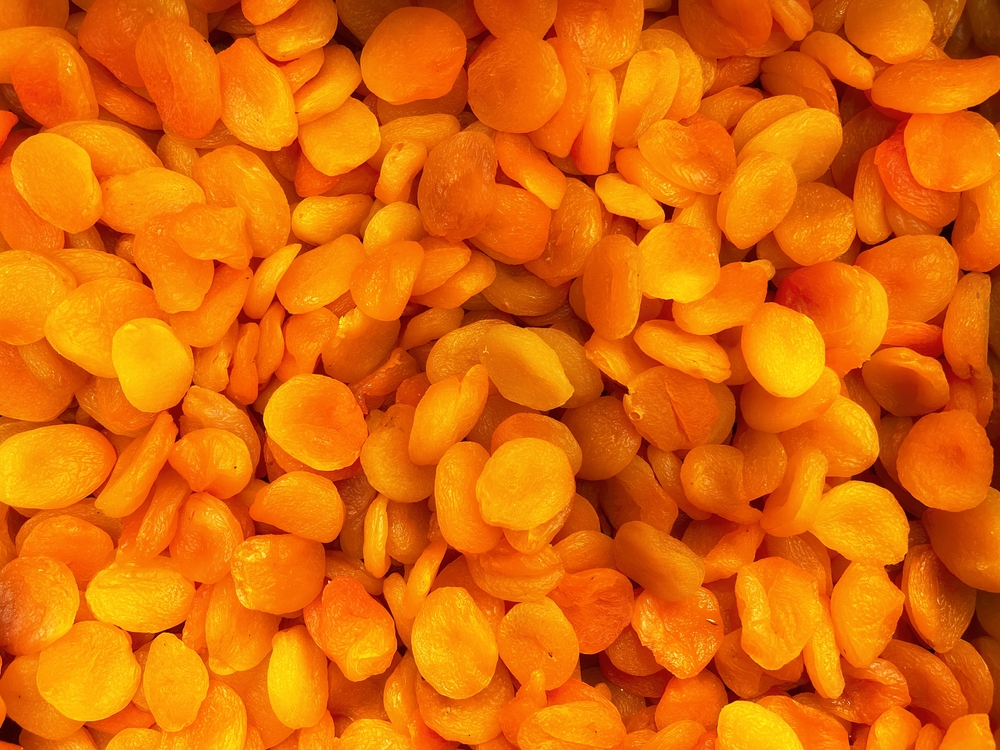
When apricots are dried, the water is removed and the nutrients become more concentrated.
Dried apricots contain around 3.4 grams of protein per 100 grams, although it is also important to be mindful of their calorie content.
Dried apricots can be added to breakfast porridge
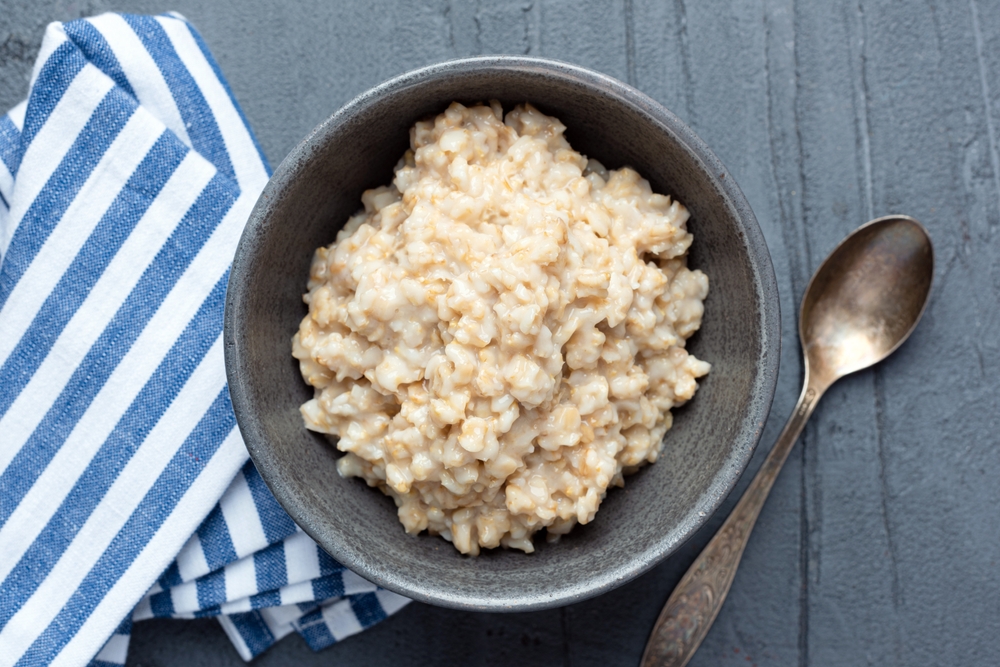
One practical tip is to add dried apricots to breakfast porridge instead of sweetened syrup.
This gives the meal an additional nutritional boost, including extra protein.
Also read: Using AI for health questions is tied to anxiety and depression in young adults
Avocado
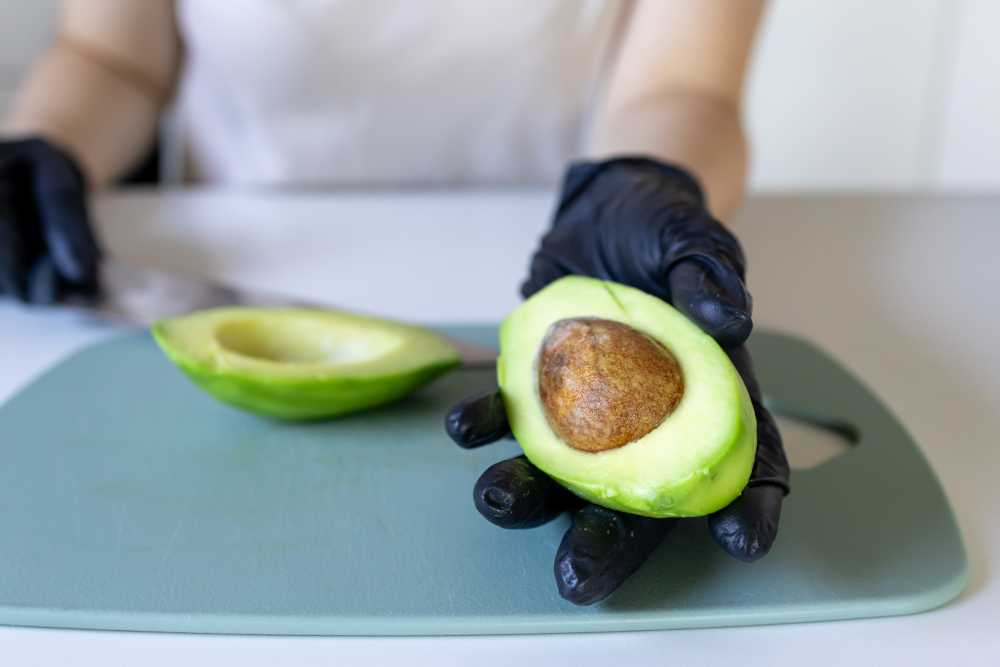
Although avocado is often thought of as a vegetable, botanically it is a fruit.
It contains around 2 grams of protein per 100 grams, while a medium-sized avocado can provide approximately 3 to 4 grams.
Blackberries
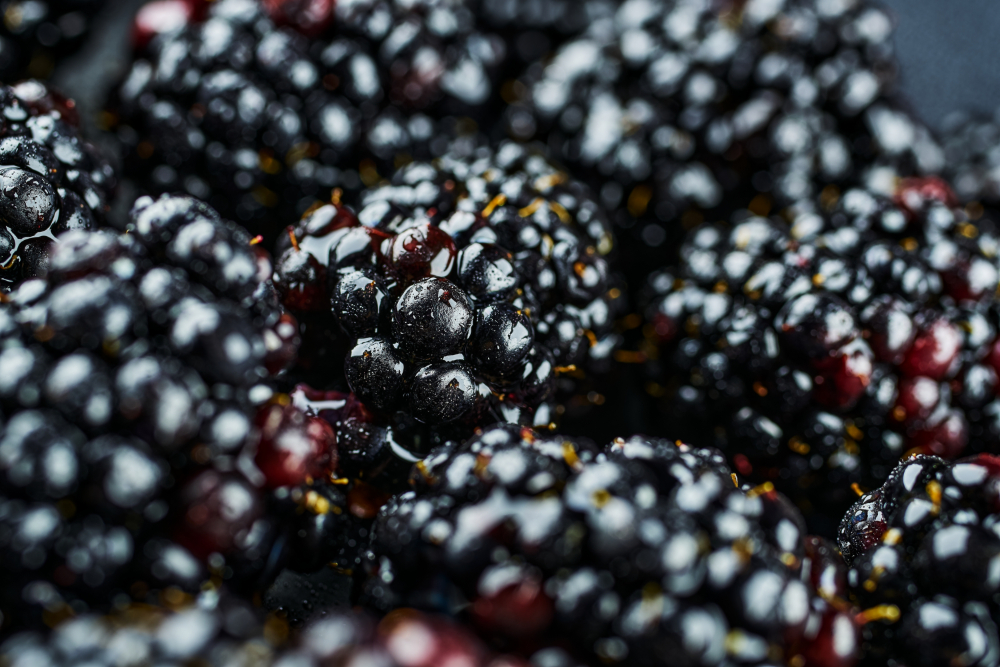
Blackberries contain around 1.4 grams of protein per 100 grams. A cup of blackberries contains approximately 2 grams of protein and also provides fibre.
Banana

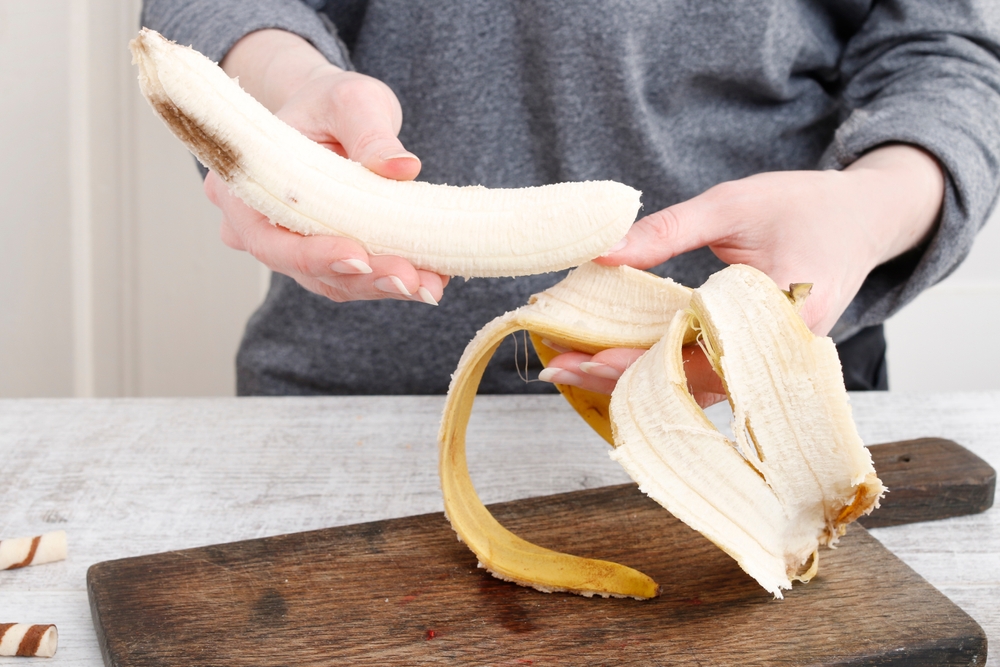
An average banana contains approximately 1.3 grams of protein.
Also read: Breast cancer survivors aged 9 months slower with this weekly exercise habit
Per 100 grams, the protein content is around 1.1 grams. iDNES.cz also highlights the potassium content of bananas.
Raspberries
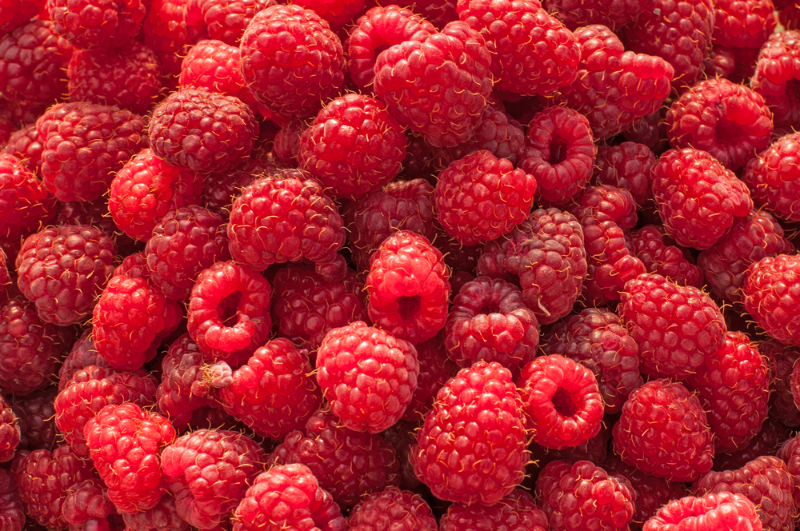
A cup of raspberries contains around 2 grams of protein. According to iDNES.cz, raspberries and blackberries also have a low glycaemic index.
Kiwi
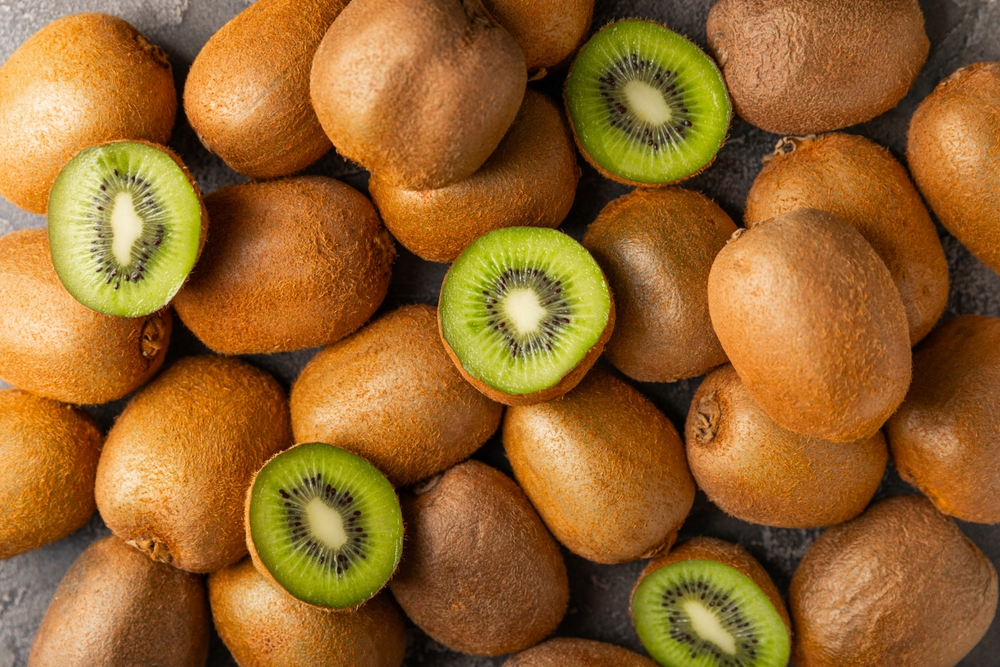
Kiwi contains approximately 1.1 grams of protein per 100 grams. The fruit also contains the enzyme actinidin, which helps the body break down and digest protein from other foods.
Kiwi can help with protein digestion
The actinidin in kiwi can help break down protein from other foods. According to iDNES.cz, eating fresh kiwi after a meal may therefore support the body's digestion of protein from foods such as meat.
Also read: New study: Weight-loss drug users report nails falling off
Peaches
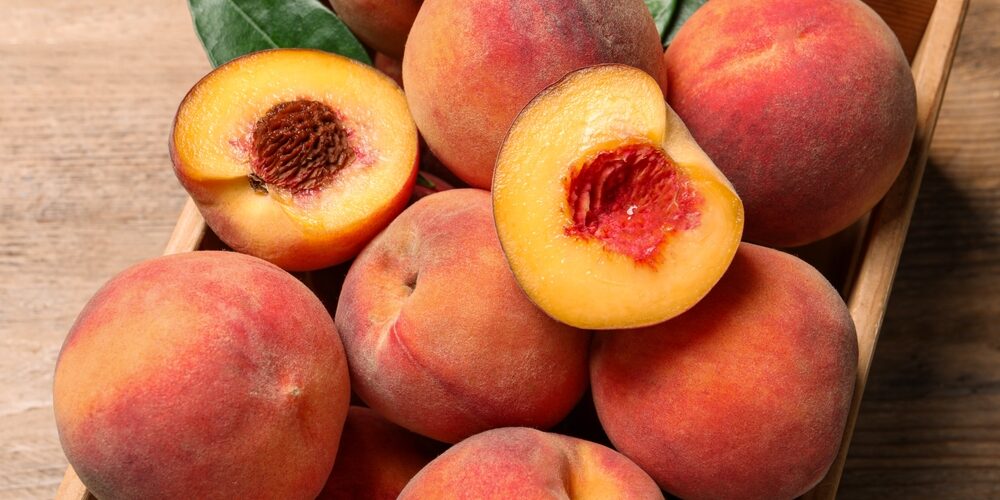
At approximately 0.9 grams of protein per 100 grams, peaches contain less protein than several of the other fruits. However, iDNES.cz highlights their contribution to fluid and fibre intake.
Frozen berries
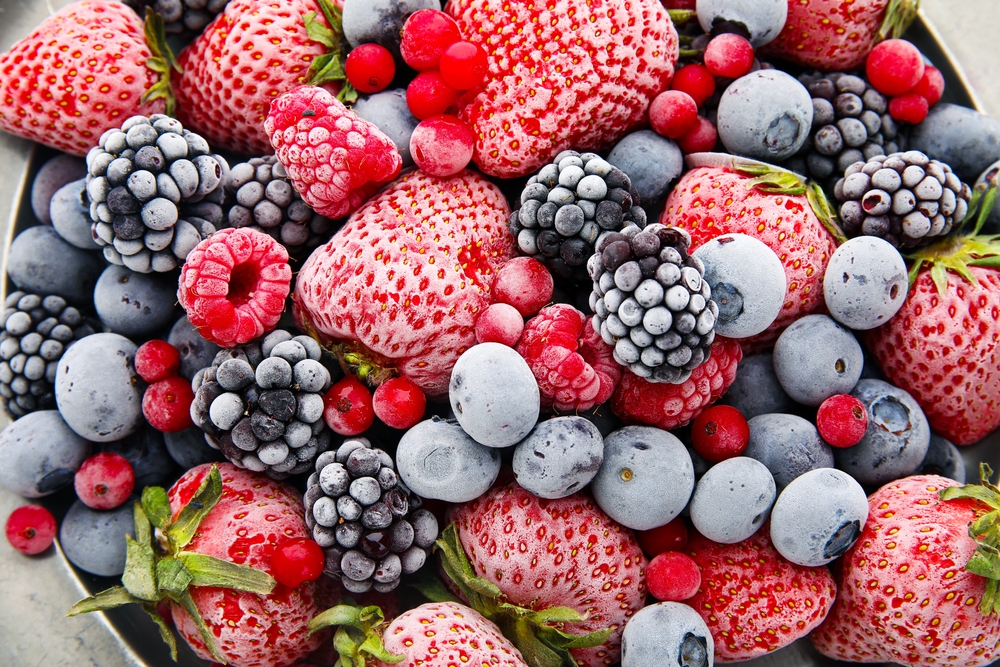
According to iDNES.cz, frozen blackberries and raspberries can be up to 40 percent cheaper than fresh berries when they are out of season.
They can be used in breakfast porridge, among other things.
Pineapple
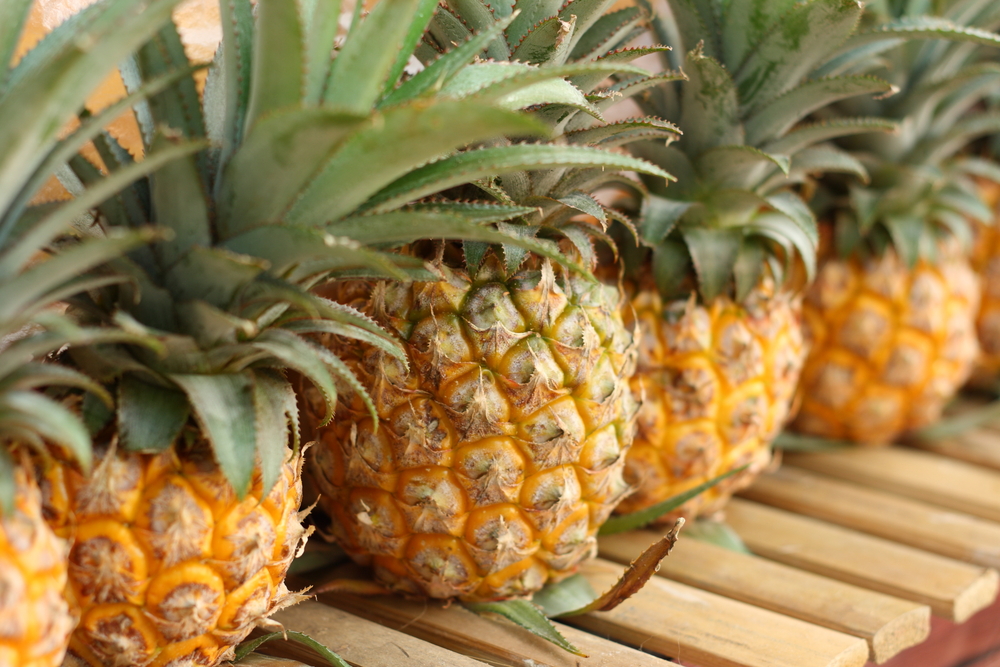
Pineapple contains bromelain, which, like actinidin, is not itself a protein. However, the enzyme can help the body break down and digest protein from other foods.
Also read: Here’s how eating raspberries every day can affect your body
Fruit cannot compete
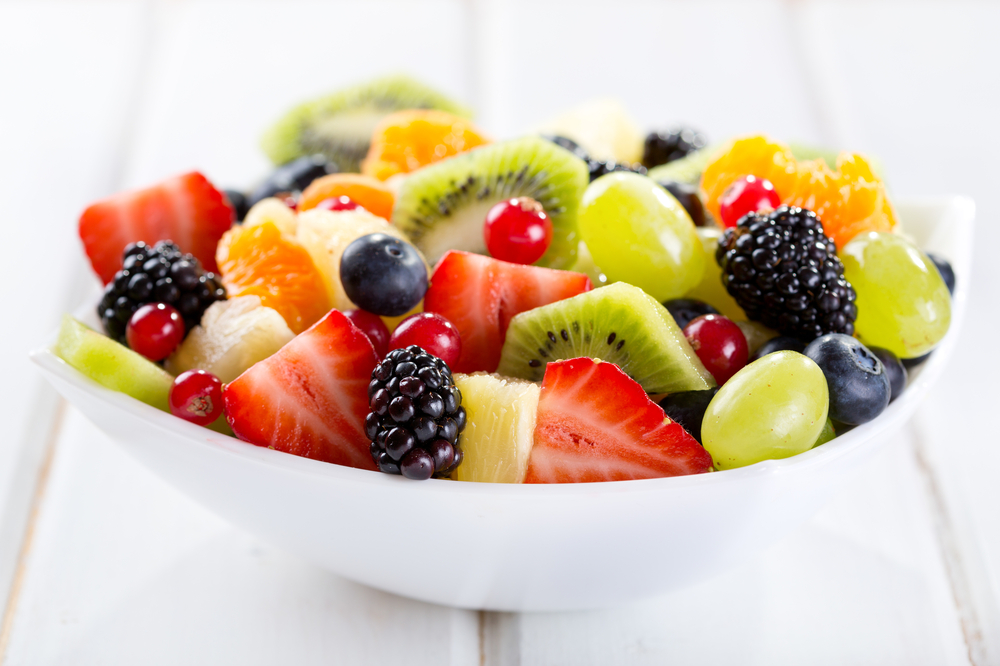
Fruit cannot compete with foods such as chicken when it comes to protein content.
According to iDNES.cz, however, a carefully selected variety of fruits can contribute an additional 5 to 10 grams of protein per day.
Protein

According to iDNES.cz, protein requires more energy to metabolise than other nutrients.
A slightly higher protein intake may therefore contribute to satiety, while the fibre in fruit can also slow the absorption of sugar.
Fruit should not replace other sources of protein
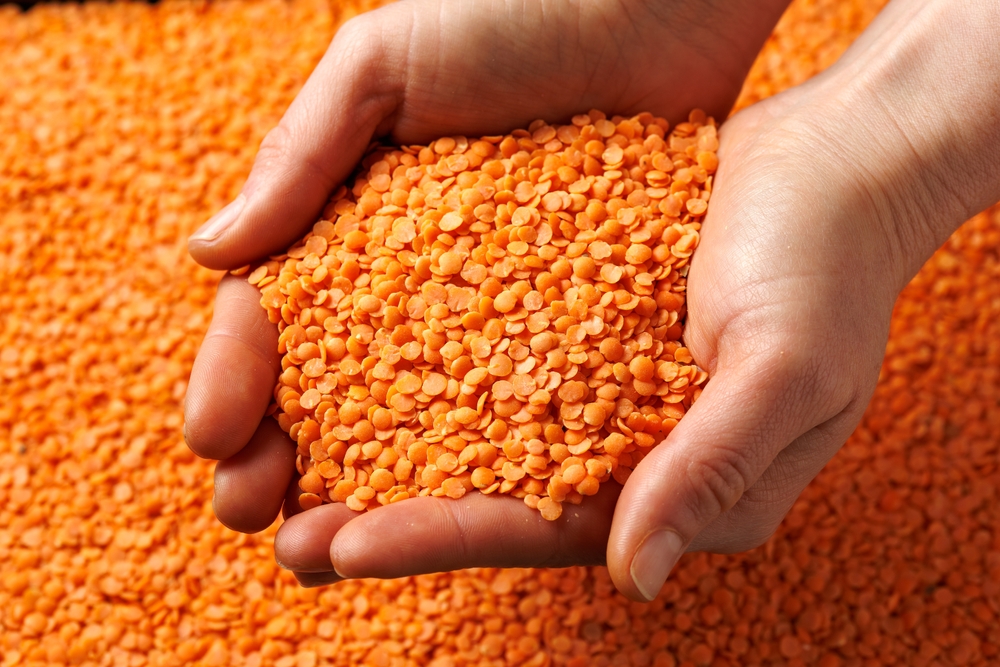
The aim is not to replace meat or legumes with fruit.
Instead, iDNES.cz recommends using fruit as a supplement that can increase the overall nutritional value of the diet.
A diet based only on fruit can lead to deficiencies
iDNES.cz warns against a diet that consists exclusively or primarily of fruit.
Fruit does not contain sufficient amounts of all essential amino acids, which is why a varied diet is considered crucial.
This article is made and published by Ida-Marie Palm Varbæk, who may have used AI in the preparation.