
Herbs and spices are often used in small amounts, but they contain a range of compounds that can support the body's immune system.
Here are some herbs and spices highlighted by dietitians in Real Simple, along with what makes them beneficial for immune health.
Turmeric contains curcumin
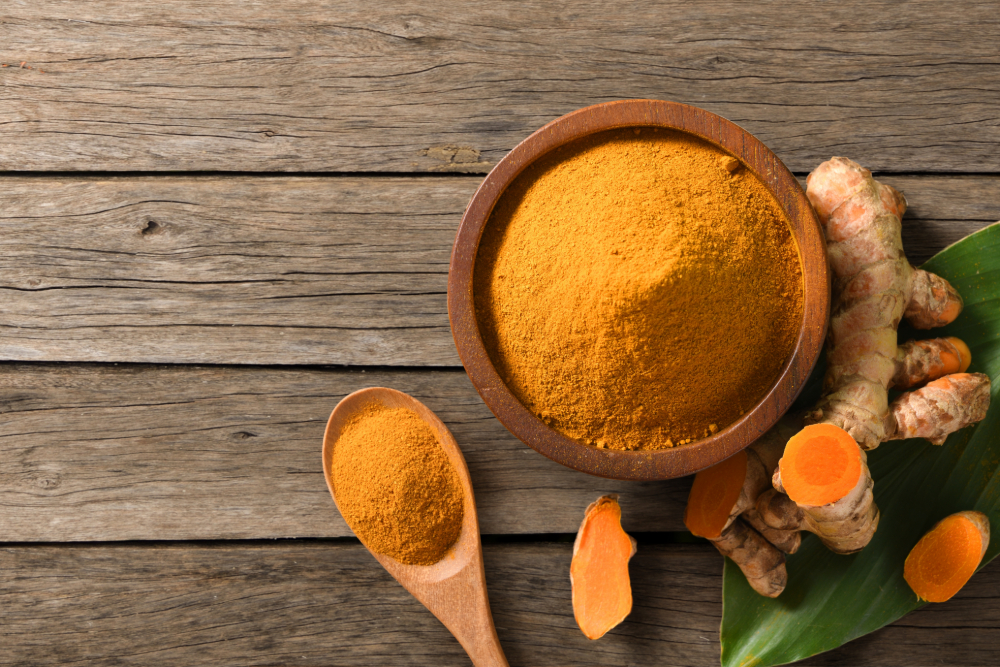
The main active compound in turmeric is curcumin.
It can support T cells, B cells and macrophages, all of which play a role in the body's defense against infections and diseases.
Also read: Some of the most trusted supplements for older adults may be linked to cognitive decline
Black pepper can increase absorption
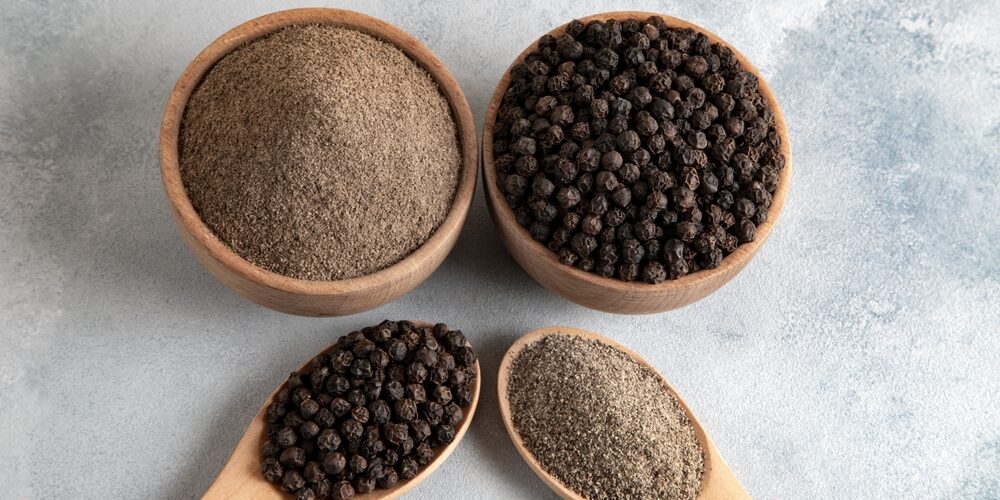
The body absorbs only a limited amount of curcumin from turmeric. For this reason, it is recommended to combine turmeric with between ⅛ and ¼ teaspoon of black pepper.
Piperine, a compound found in black pepper, can slow the breakdown of curcumin in the digestive system, allowing more of it to enter the bloodstream.
Garlic contains allicin
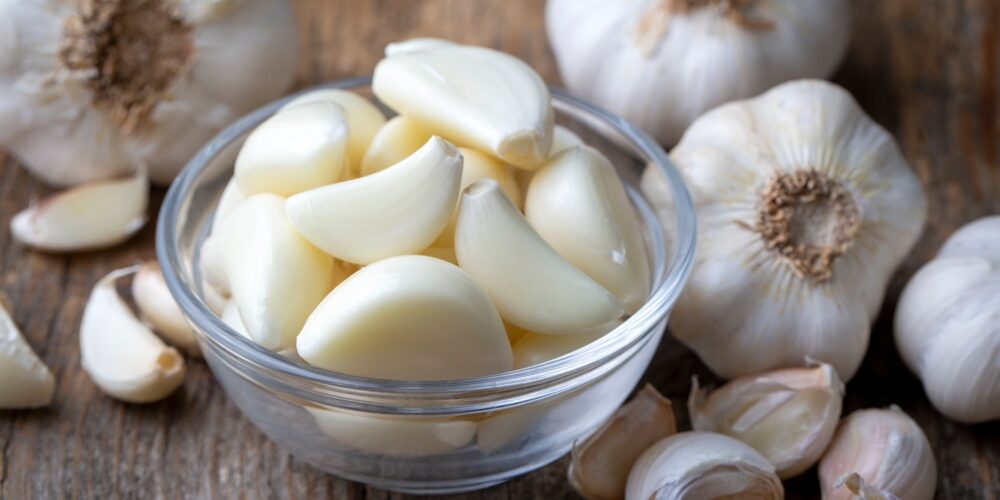
Garlic contains the bioactive compound allicin. It has antibacterial, antiviral, antifungal and antimicrobial properties, which may be relevant in relation to colds and infections.
Garlic can support gut bacteria
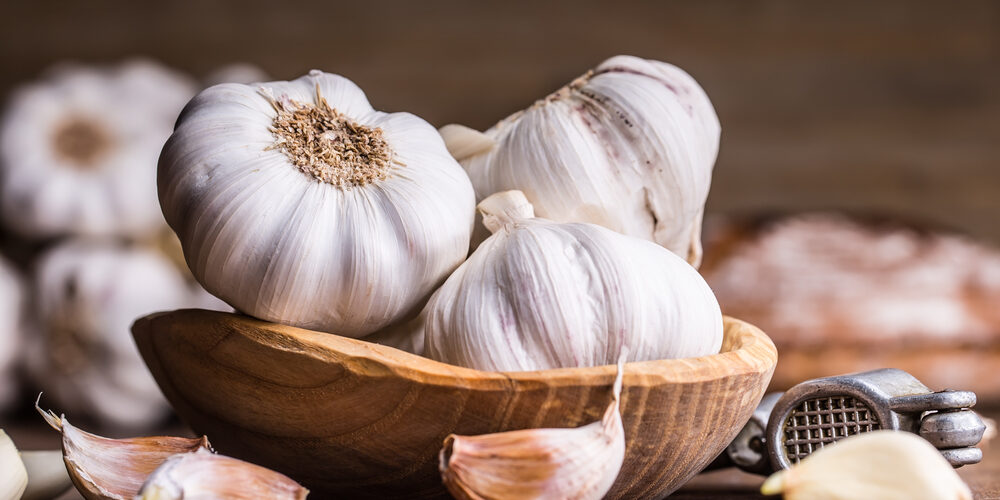
Garlic also acts as a prebiotic and can therefore help nourish beneficial bacteria in the gut.
Also read: How much calcium do you really need by age, and are you getting it?
Gut bacteria and the immune system work closely together.
Ginger contains gingerol
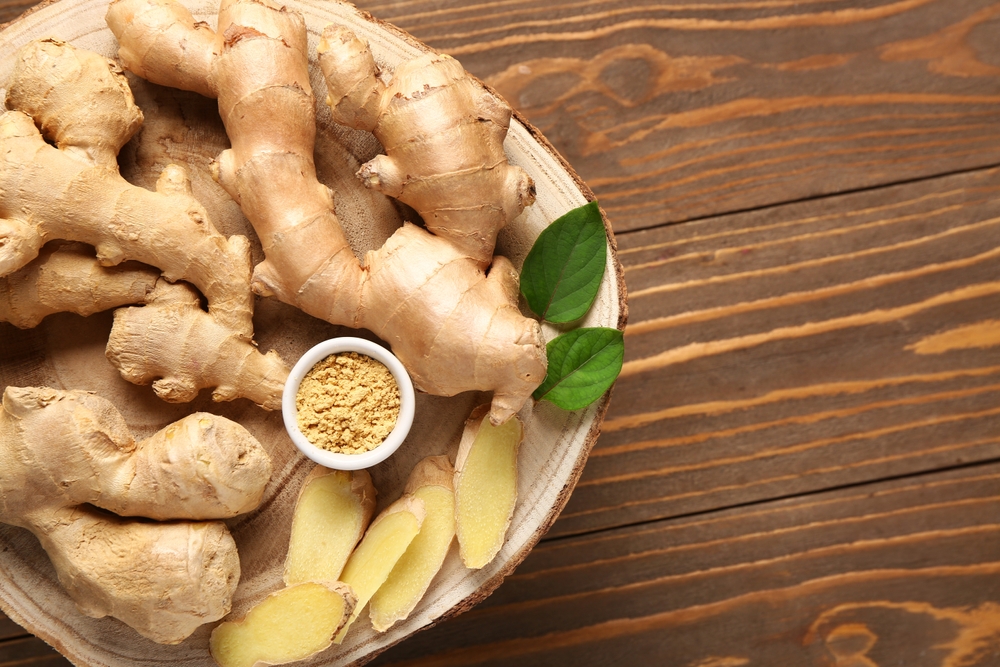
Gingerol is a compound found in ginger that has antioxidant and anti-inflammatory properties.
Among other things, it may help reduce inflammatory processes and levels of reactive oxygen species, which in large amounts can contribute to oxidative stress.
Ginger may affect certain immune cells
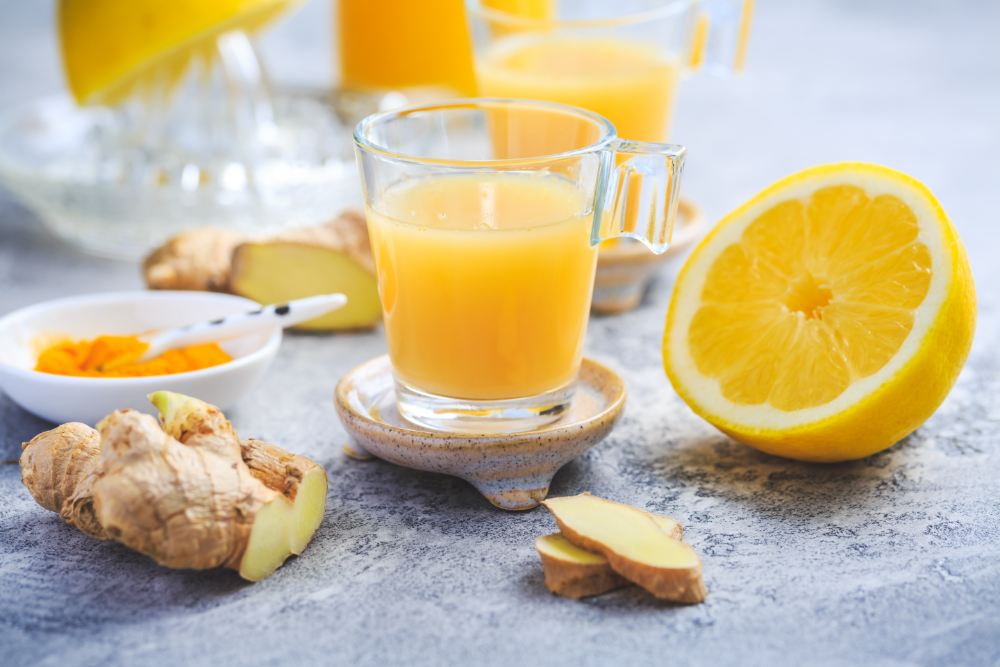
A study published in Molecular Nutrition and Food Research found that gingerols can affect the activity of certain immune cells.
Also read: Women on oral hormone therapy may face a higher blood clot risk
The researchers found, among other things, that gingerols interacted with neutrophils, a type of white blood cell, and increased their responsiveness by 30 percent.
Oregano contains several active compounds
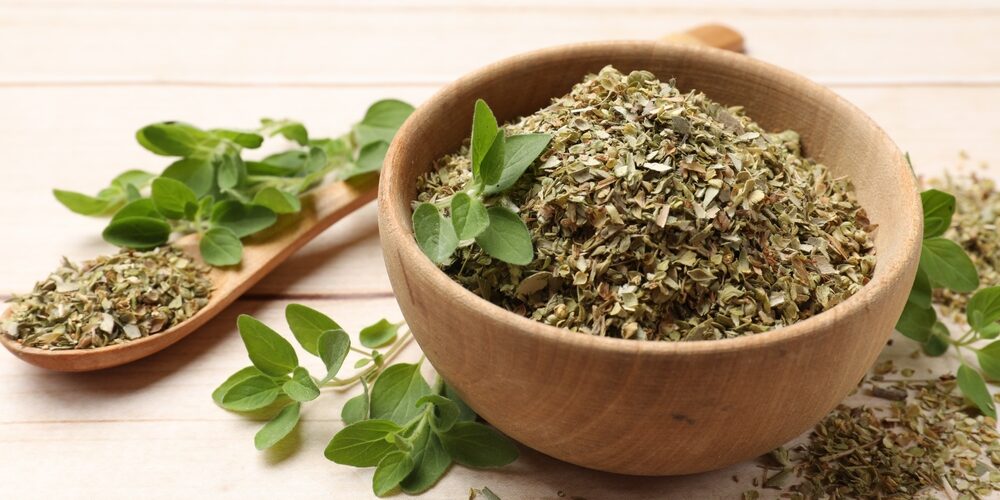
Oregano contains compounds including carvacrol and thymol.
These compounds have antioxidant and antimicrobial properties and have shown protective effects against viruses and bacteria in laboratory studies published in Frontiers in Pharmacology.
Oregano may reduce inflammation

The herb also contains rosmarinic acid. This compound may help reduce inflammation by limiting the body's production of inflammatory substances.
Also read: How much salt is too much? The daily limit most Americans are over
Basil contains vitamins A and C
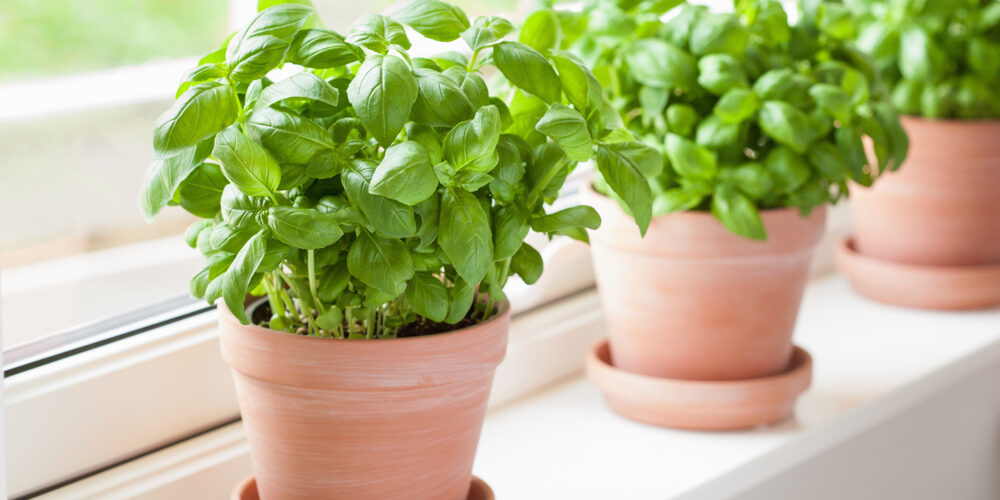
Basil provides both vitamin A and vitamin C, which are associated with supporting the immune system.
Both act as antioxidants and can help combat free radicals and reduce oxidative stress.
Basil contains several bioactive compounds
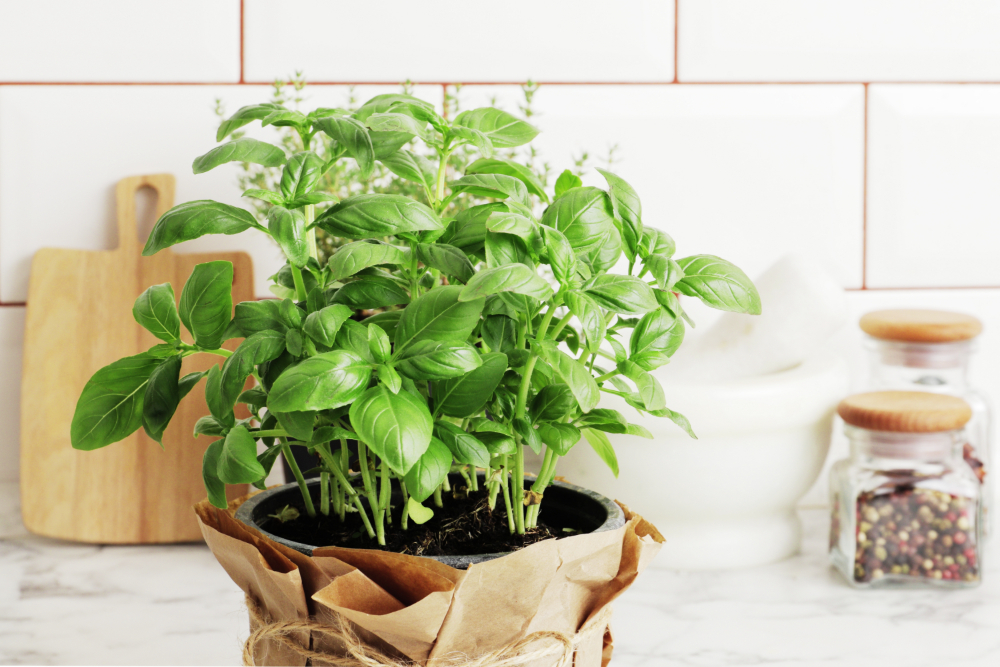
Apigenin, linalool and ursolic acid are among the bioactive compounds found in basil.
According to dietitians, these compounds have antiviral properties.
Also read: She drank tart cherry juice before bed for a week: Here’s how it affected her sleep
Basil may also affect the gut
Basil contains quercetin and anthocyanins, which have antioxidant and anti-inflammatory properties.
Quercetin can increase the uptake of zinc into cells, while anthocyanins may contribute to maintaining balance in the gut microbiome.
Rosemary contains several antioxidants
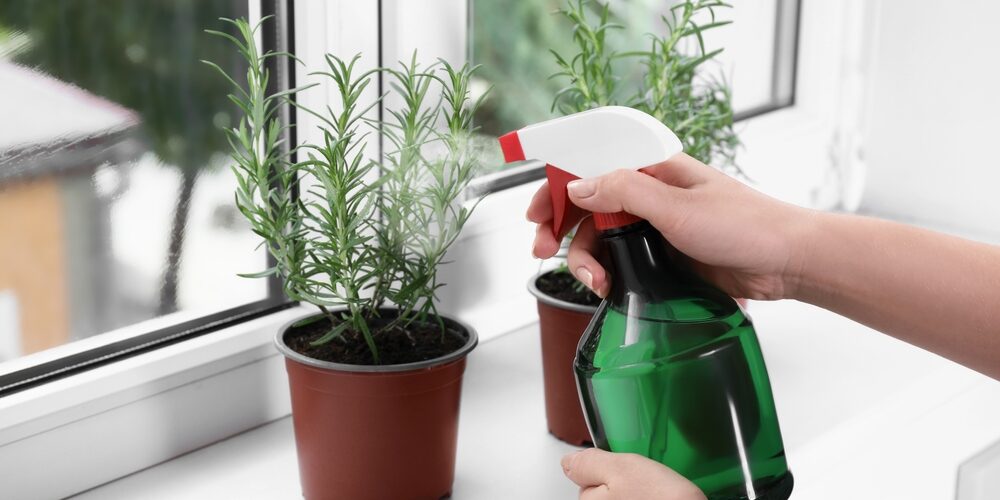
Rosemary contains compounds including linalool, carnosic acid, rosmarinic acid and carnosol.
Carnosic acid and rosmarinic acid may help reduce oxidative stress and inflammation.
Rosemary can support the body's production of glutathione
Carnosic acid in rosemary may help the body produce glutathione, a powerful antioxidant.
Carnosic acid and carnosol may also help reduce inflammation by reducing levels of pro-inflammatory immune cells in the body.
Fresh herbs contain more antioxidants
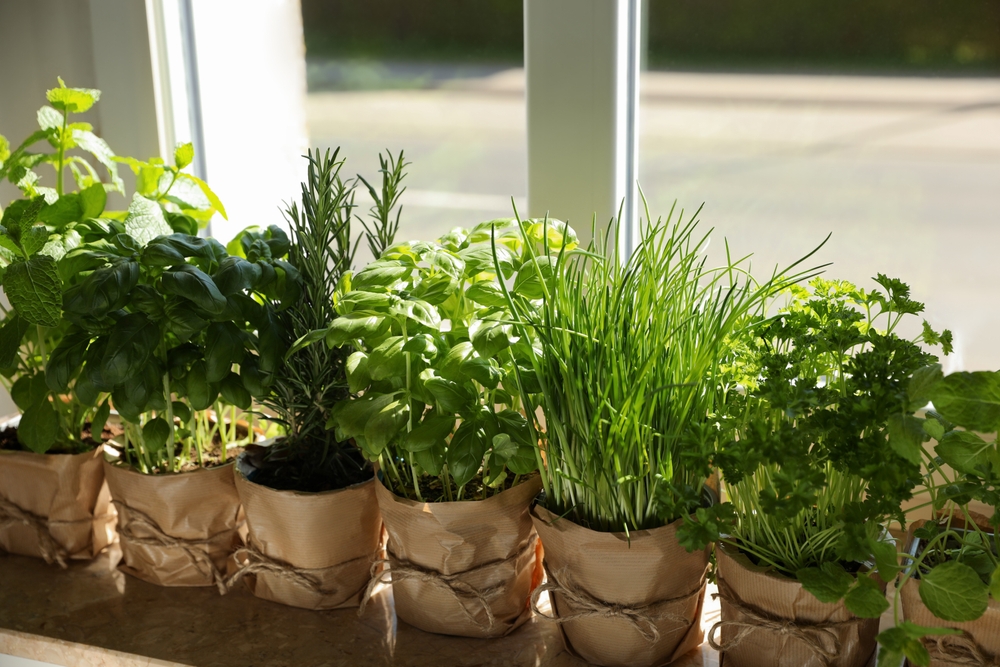
Fresh herbs and spices generally contain higher levels of antioxidants and anti-inflammatory compounds than dried varieties.
Fresh versions are therefore recommended when possible.
Dried varieties also have benefits

Dried herbs and spices still offer health-related benefits.
They contain more concentrated amounts of minerals and essential oils and also have a longer shelf life.
This article is made and published by Ida-Marie Palm Varbæk, who may have used AI in the preparation.