
Are you looking for more joy and less stress in your daily life? Creative hobbies can help improve both your mental and physical wellbeing.
According to Real Simple, several activities can promote relaxation, stimulate creativity, and improve your mood.
Dancing can help you express emotions

Dancing combines movement, rhythm, and emotional expression.
According to therapist Christin Frederick, dancing can be particularly beneficial for people who spend much of their working day performing analytical tasks, as it allows them to express themselves in a different way.
Also read: Scientists reveal how much whole grain you should eat for a healthier heart
Knitting and crocheting can promote relaxation

Repetitive movements can make it easier to maintain focus.
Knitting and crocheting involve structured routines and physical interaction with materials, which can be particularly helpful for people who struggle with mindfulness.
Cooking stimulates creativity

You do not have to follow a recipe to be creative in the kitchen.
By experimenting with ingredients you already have, you can develop your ability to think flexibly and explore new solutions without feeling pressured to achieve a perfect result.
Also read: Common sweeteners may interact with certain medications, new study suggests
Walking in nature can inspire new ideas

Taking a walk in nature allows your thoughts to flow more freely.
According to Frederick, this type of activity can create space for unexpected connections, fresh insights, and creative solutions.
Painting can reduce stress

Painting can be an effective way to unwind.
According to Real Simple, therapist Lesley Roy recommends choosing hobbies that offer a break from everyday sources of stress.
Also read: Long COVID could be raising your blood pressure, study finds
Painting freely, without a specific plan, can encourage spontaneous creativity and emotional expression.
Music can help you express emotions

You do not need to be a talented singer to enjoy the benefits of music.
Singing engages your breathing and provides an opportunity to explore rhythm and emotions. Creating personalised playlists can also be a creative hobby.
Gardening can provide a sense of satisfaction

Gardening brings you into direct contact with the soil and nature. At the same time, it can provide a sense of accomplishment without the pressure to perform.
Also read: Research reveals what happens when you eat too much protein
According to Frederick, these experiences can help regulate the nervous system.
Puzzles and logic challenges stimulate the brain
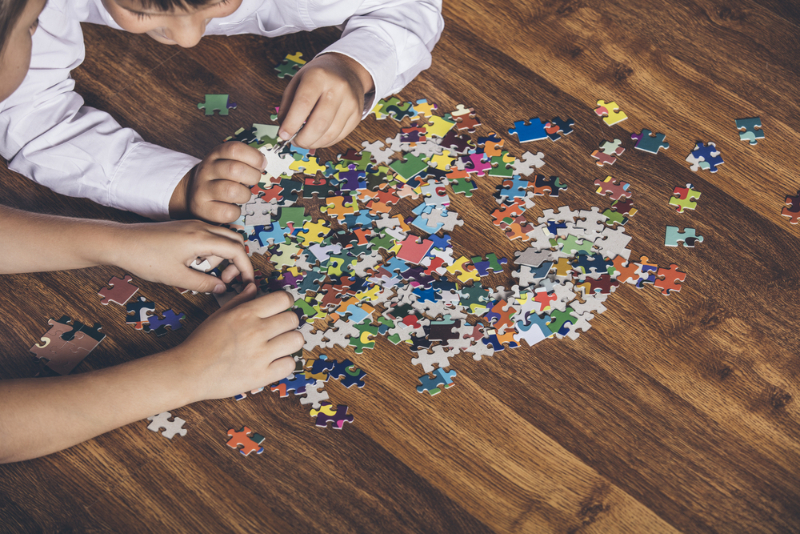
Logic-based activities can be relaxing, even though they require concentration.
According to expert Wildaliz Caro, activities such as logic puzzles and programming stimulate cognitive creativity through structured problem-solving.
Journaling can help process emotions

Writing down your thoughts is not just a way to remember experiences. It is also a creative activity that transforms emotions into words.
Also read: This is what happens to your body if you drink chai tea every day
According to Caro, both journaling and memoir writing can stimulate emotional creativity.
Team sports can strengthen social connections

Participating in team sports can create a sense of belonging and provide opportunities to regulate emotions alongside others.
However, competition is not relaxing for everyone. Some people find it motivating, while others experience it as stressful.
Cycling can stimulate fresh thinking

A bike ride can offer more than just physical exercise.
According to Frederick, allowing your mind to wander freely while cycling can inspire new ideas, insights, and solutions that might not have emerged otherwise.
Hobbies can improve both mood and health

A 2023 study published in Nature Medicine, involving more than 93,000 participants, found that people with hobbies generally reported greater happiness, better health, and fewer symptoms of depression than those without hobbies.
The findings highlight the importance of leisure activities for both mental and physical health.
This article is made and published by Ida-Marie Palm Varbæk, who may have used AI in the preparation.