
Nutrition experts agree that one should be cautious about diet trends that promise miracles without scientific evidence.
At the same time, there are dietary approaches that are well documented, and one of them is the anti-inflammatory diet, in which smoothies can be an easy way to incorporate more healthy ingredients into daily life.
Why an anti-inflammatory diet is important
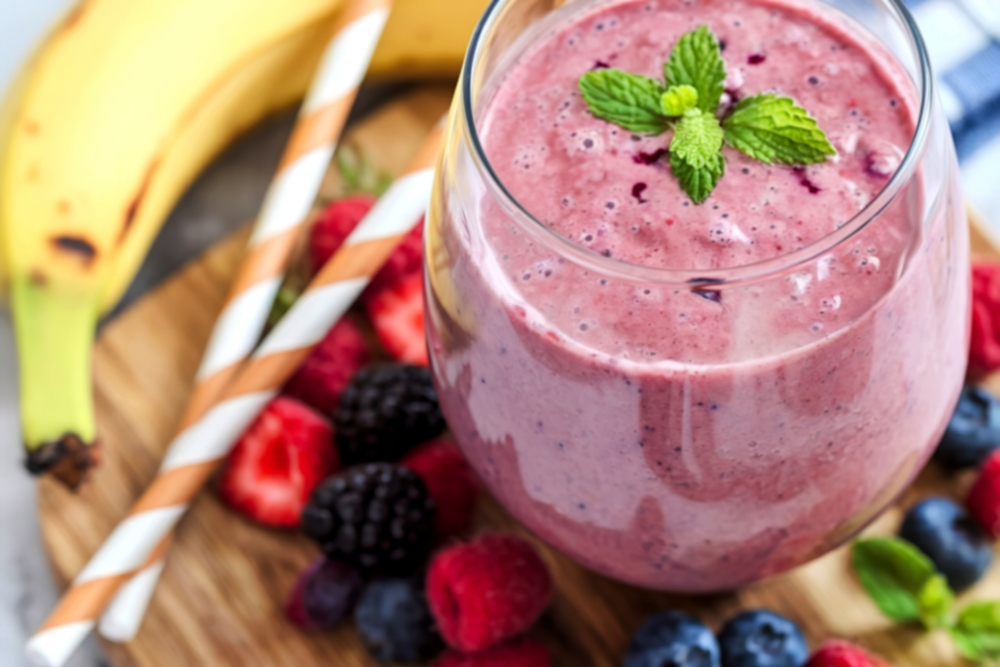
Chronic inflammation has been linked to serious diseases such as heart disease, cancer, type 2 diabetes, and stroke.
It also plays a role in conditions such as Alzheimer’s disease, arthritis, and inflammatory bowel disease.
Also read: Using these social media platforms can boost your well-being, new report shows
The difference between acute and chronic inflammation

Inflammation is not always harmful. Short-term inflammation helps the body heal from injuries and infections.
It is long-term inflammation that can be problematic and should be reduced, among other things, through diet.
An easy solution

Smoothies are a practical way to include more fresh and unprocessed ingredients in the diet. They can be quickly adapted and provide a healthy boost in a busy everyday life.
Grapes

Grapes contain flavonoids and resveratrol, both of which act as antioxidants.
Also read: Ditch the car: Active commuting can reduce the risk of atherosclerosis
These compounds help fight free radicals and can reduce inflammation in the body.
Cherries

Both sweet and sour cherries are rich in polyphenols and anthocyanins.
They may help reduce oxidative stress and inflammation, according to a study published in Nutrients (1), and have also been shown to improve sleep, according to another study published in Nutrients (2).
Turmeric
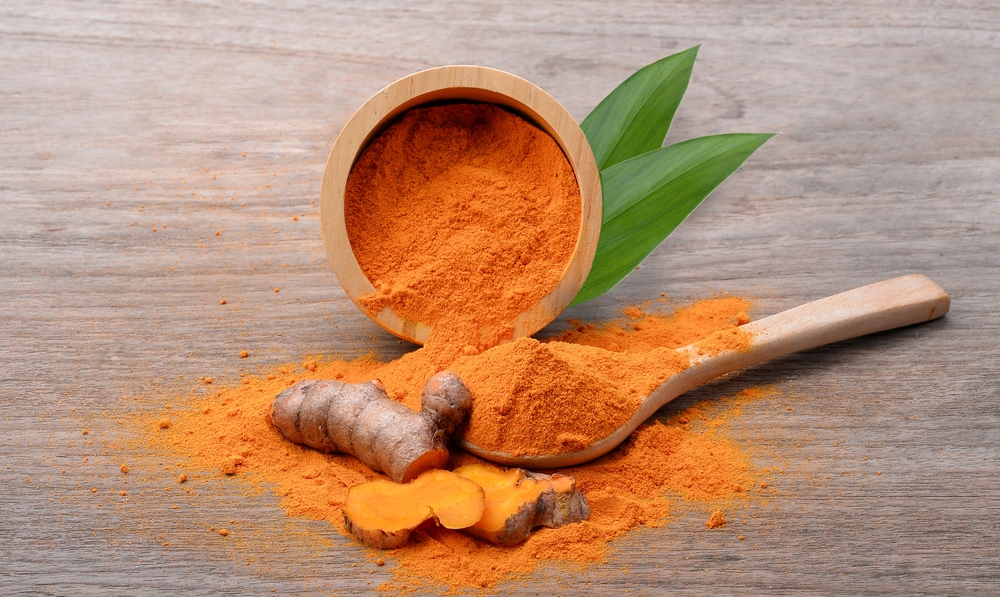
Turmeric contains the active compound curcumin, which has documented anti-inflammatory properties.
Also read: Long-term use of omeprazole linked to potential health risks
It may help relieve symptoms related to digestive issues and inflammatory conditions, according to a study published in The AAPS Journal.
Chia seeds
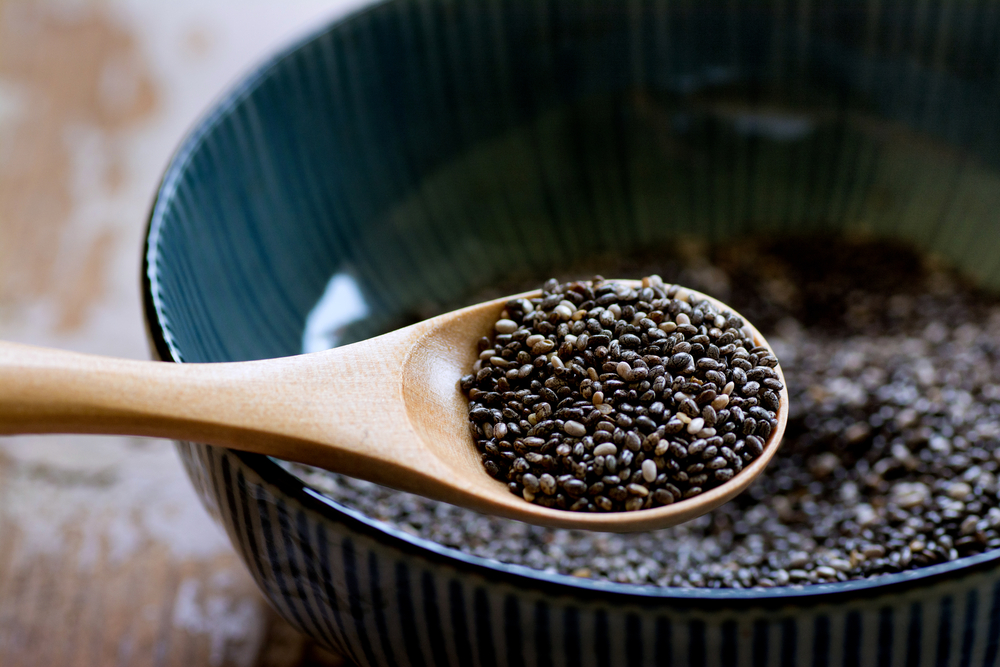
Chia seeds are a source of plant-based omega-3 fatty acids, which have anti-inflammatory effects.
They have historically been used as an energy source and continue to provide nutritional and health benefits, according to a study published in Proceedings.
Ginger
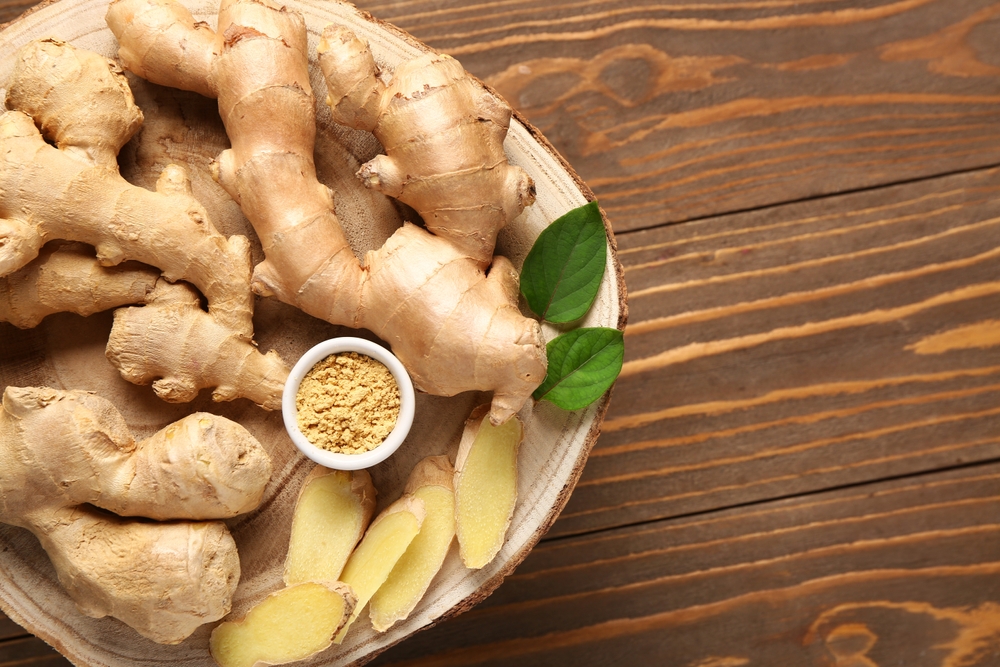
Ginger is known for its distinctive flavor and health benefits.
Also read: Here are the most recommended diets for weight loss in 2026
A study published in Nutrients (3) shows that it may help reduce pain related to conditions such as migraines and joint diseases.
Blueberries

Blueberries contain high levels of anthocyanins, which counteract inflammation.
They may also help reduce the risk of cardiovascular disease and certain types of cancer.
Dark leafy greens

Vegetables such as spinach, kale, and watercress are rich in vitamins A, C, and K, as well as plant-based antioxidants.
Also read: Even brief exercise can strengthen memory, new research shows
These compounds help combat chronic inflammation.
Small changes make a difference

Even small additions, such as a handful of greens in a fruit smoothie, can have a positive effect.
It is not about changing everything at once, but about gradually choosing more whole and fresh foods.
Focus on whole foods
Choosing unprocessed ingredients over processed products can be an effective way to reduce the body’s inflammatory response and support overall health.
Sources: Real Simple, Nutrients (1), Nutrients (2), The AAPS Journal, Proceedings, and Nutrients (3).