
Some people may need to eat less fiber for a period of time to give their digestive system a break.
Several low-fiber fruits and vegetables can still provide the body with vitamins, minerals, and hydration while being easier to digest, according to Real Simple.
Yellow bell peppers
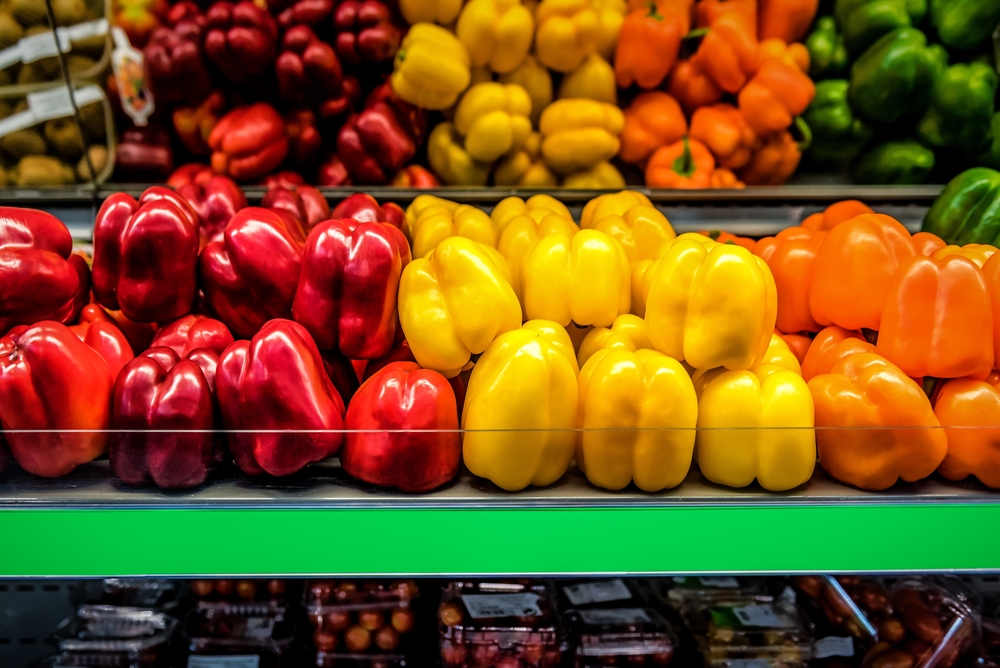
Yellow bell peppers contain just 1.1 grams of fiber per half cup.
At the same time, they are rich in vitamin C, which supports the immune system. They also contain B vitamins, vitamin E, vitamin K, and polyphenols.
Also read: Do you have stomach problems? Here are the experts’ best advice
Yellow bell peppers can be used in many dishes

Bell peppers can be added to soups, stir-fries, and pasta dishes. They can also be thinly sliced into wraps or lightly sautéed for fajitas.
Cantaloupe melon
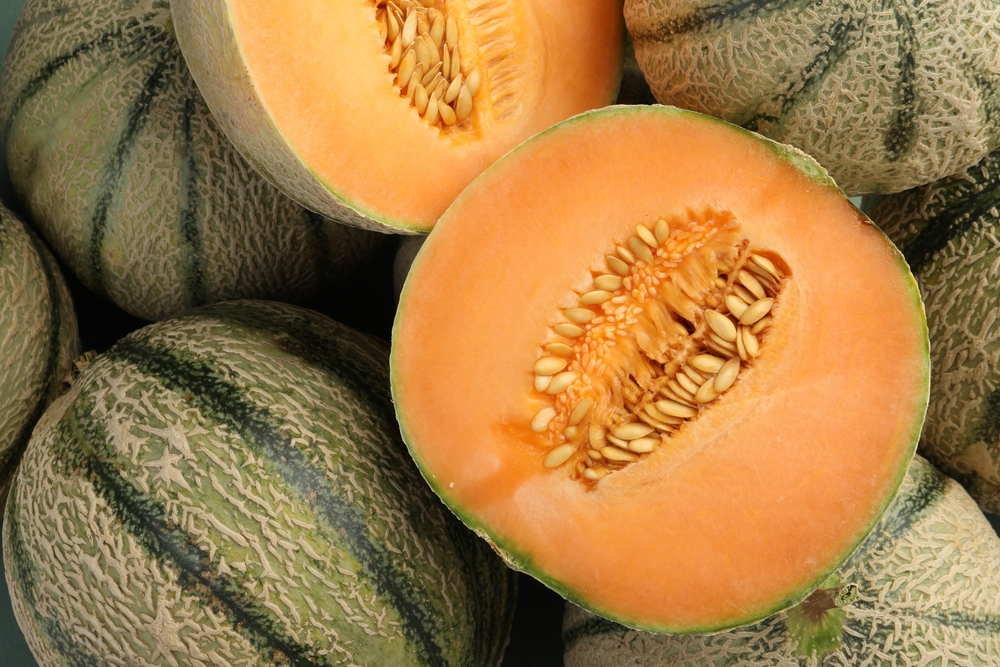
Cantaloupe melon contains 1.4 grams of fiber per cup. The fruit has a high water content and provides both vitamin C and potassium.
Cantaloupe melon helps with hydration and nutrition

The melon may support hydration, immune function, and heart health.
It can be eaten on its own, paired with yogurt, or used in smoothies and fruit salads.
Also read: Study finds dementia risk factors may affect women more strongly
Peeled potatoes
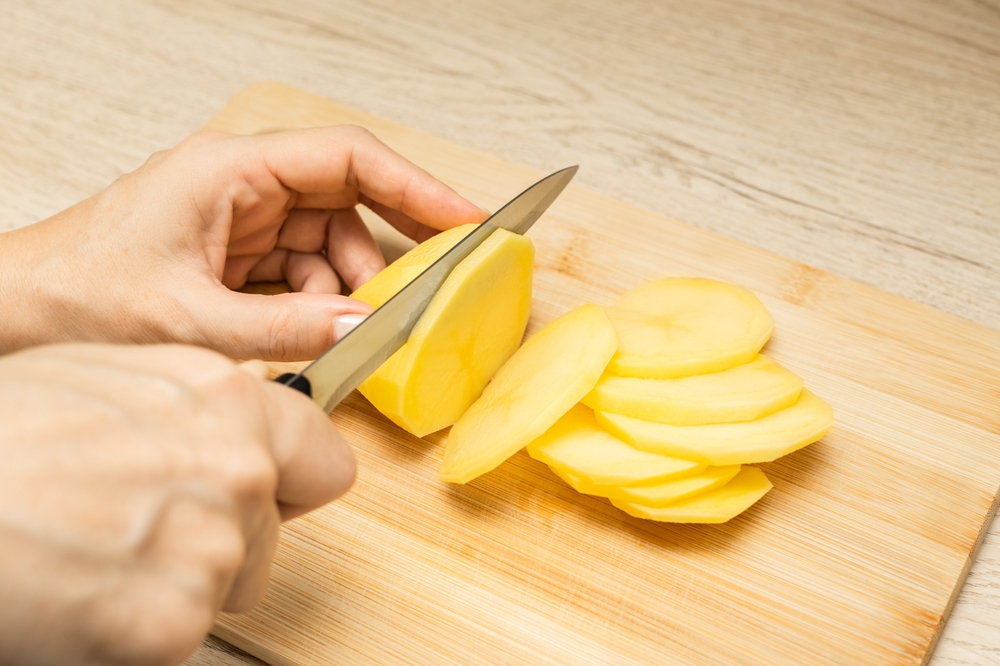
Potatoes without the skin contain only 0.9 grams of fiber per half cup. Much of the potato’s fiber is found in the skin.
Potatoes provide potassium
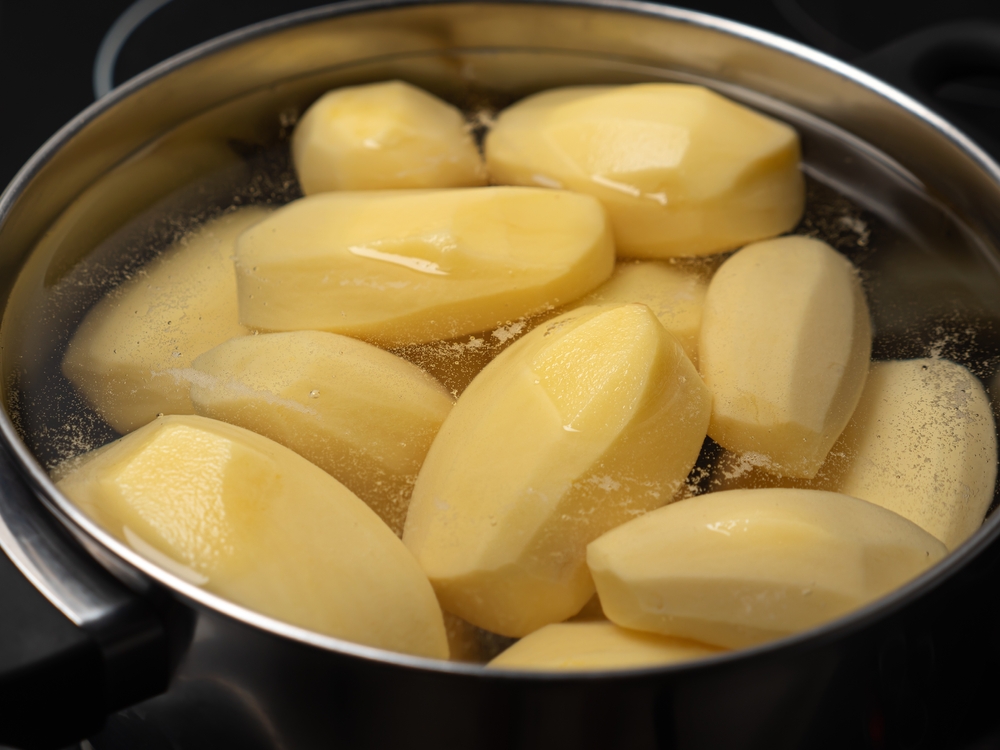
Peeled potatoes are a good source of potassium, which is important for heart health.
They can be eaten mashed, baked, or used in stews, curries, and egg dishes.
Cooked spinach
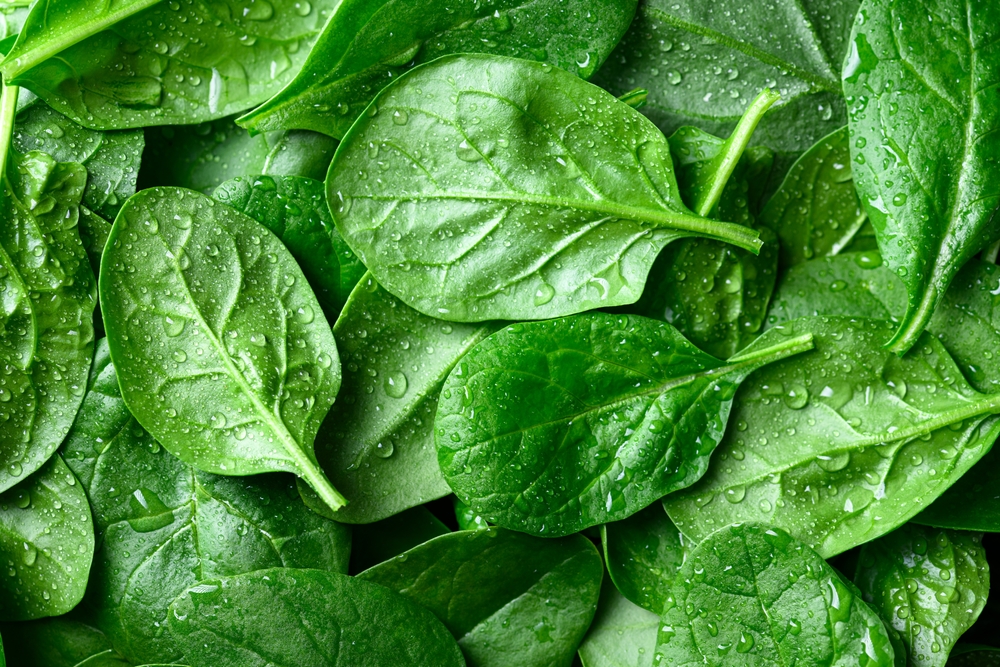
Spinach contains 0.7 grams of fiber per cup in its raw form. When cooked, the fibers become even softer and easier to tolerate.
Also read: Putin’s visit to China triggers new health rumors
Spinach provides iron
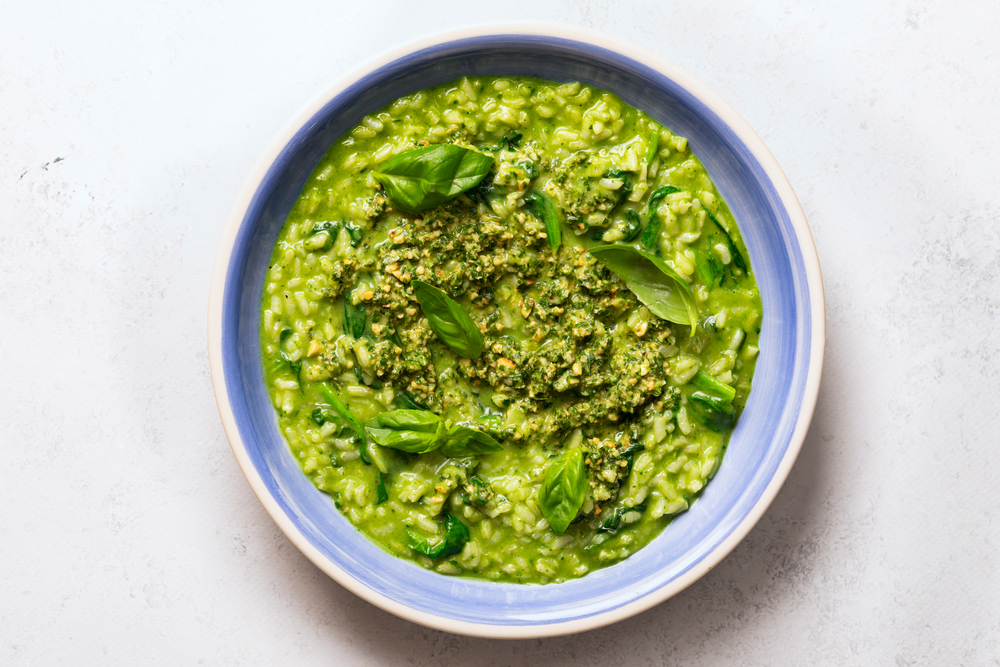
The iron in spinach helps the body produce red blood cells and supports immune function and energy production.
Spinach can be added to omelets, soups, and pasta dishes.
Bananas
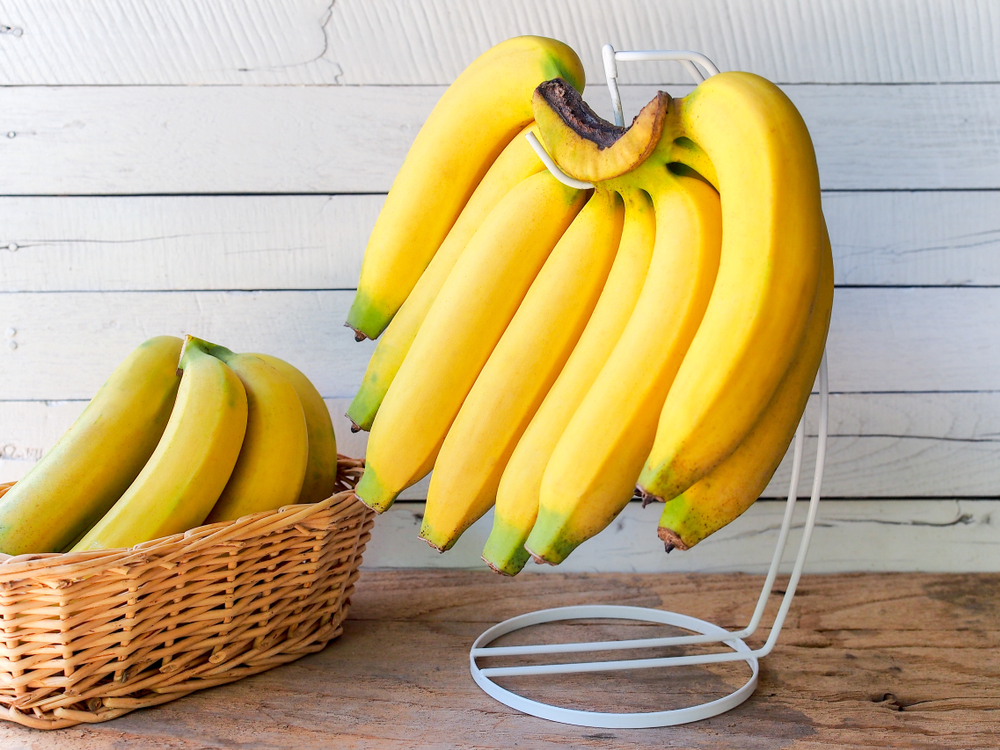
Half of a medium-sized banana contains 1.5 grams of fiber.
The soft texture makes ripe bananas easier for many people to digest.
Also read: How a handful of spinach every morning can affect your body
Bananas contain potassium and vitamin B6
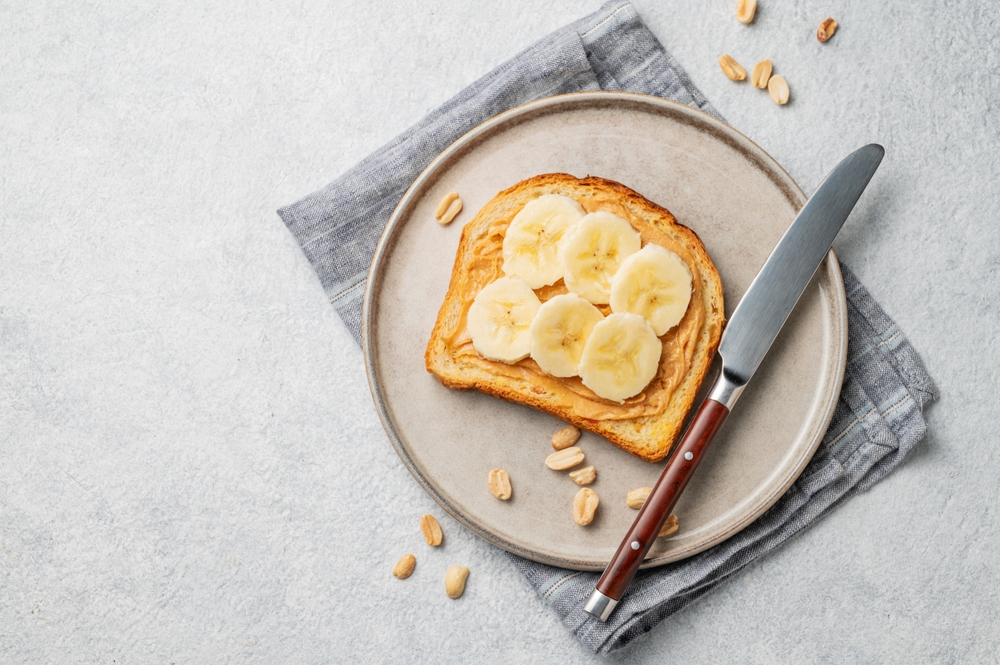
Bananas provide potassium for fluid balance and vitamin B6 for energy production. They can be eaten on their own or used on porridge, toast, and in smoothies.
Watermelon contains very little fiber

Watermelon contains only 0.6 grams of fiber per cup. At the same time, the fruit has a high water content, making it especially refreshing.
Watermelon works in both sweet and savory dishes
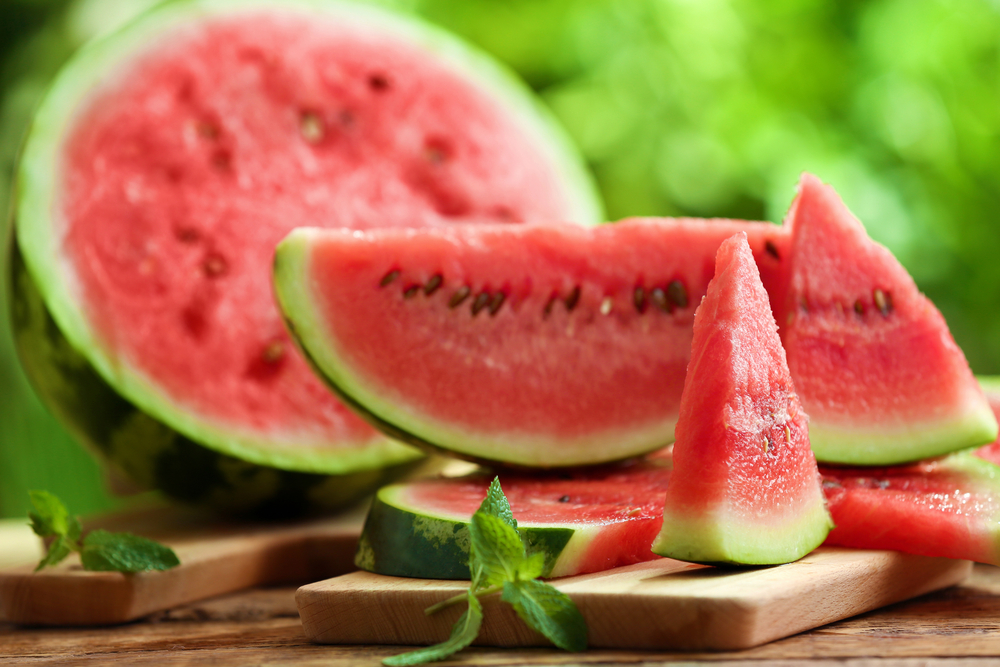
The fruit can be served as a dessert or used in salads with feta cheese and basil. Watermelon also contains vitamin C.
Lettuce contains almost no fiber
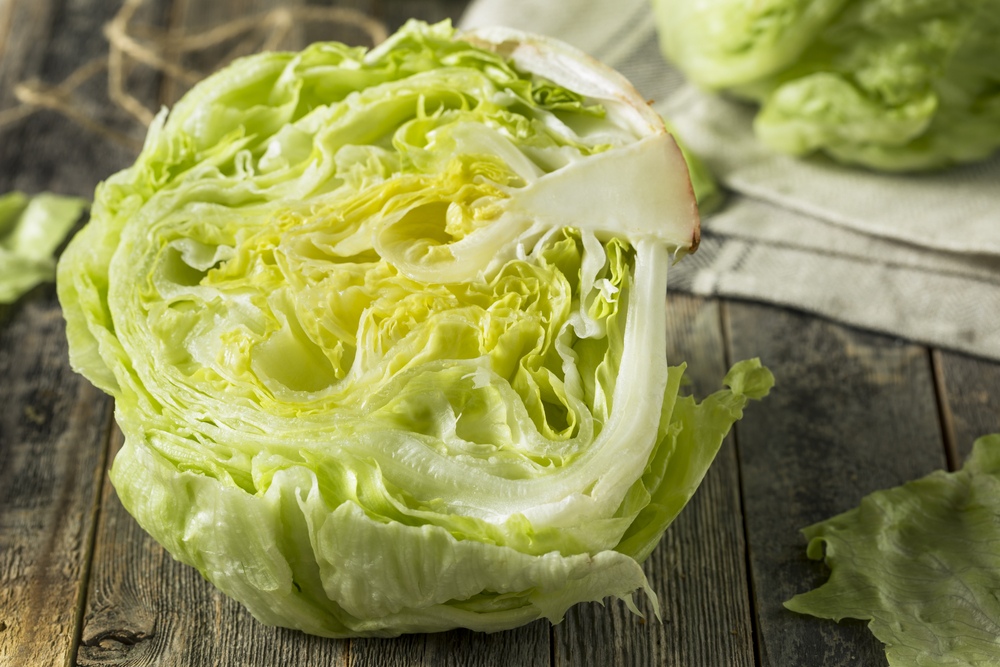
Lettuce contains only 0.05 grams of fiber per cup. It has a very high water content and can be used in salads, sandwiches, wraps, and bowls.
Also read: Tourists warned after measles outbreak hits holiday region
Some people should be cautious with lettuce
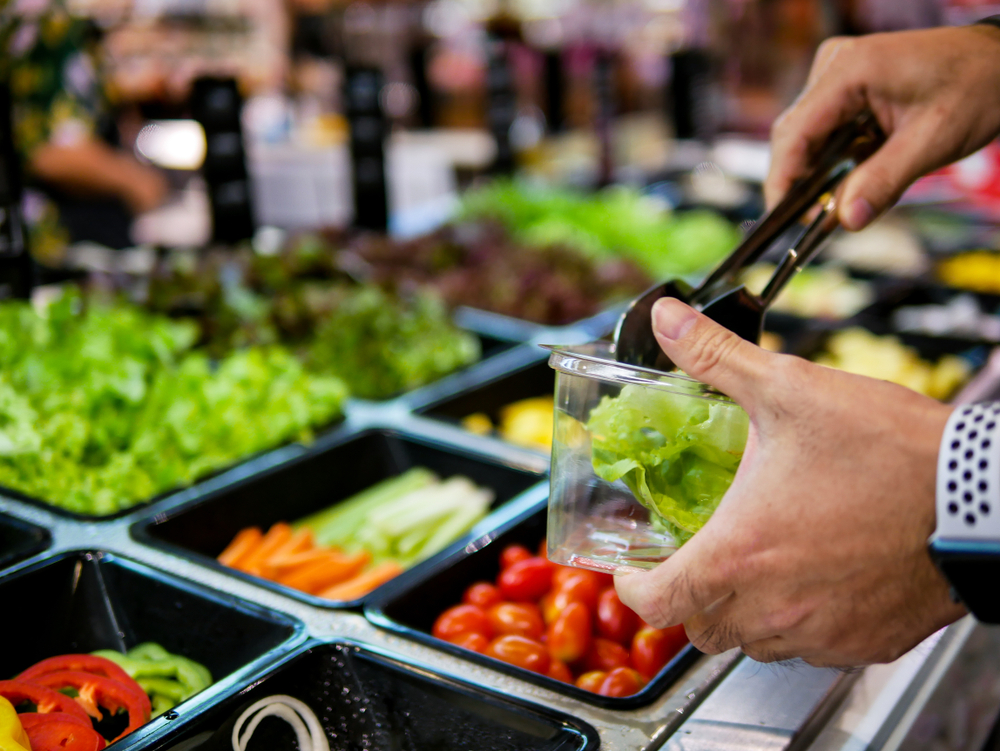
Even though lettuce contains very little fiber, it may require more effort to digest than soft, cooked vegetables. Chewing thoroughly may help.
Sources: Real Simple.
This article is made and published by Ida-Marie Palm Varbæk, who may have used AI in the preparation.