
No single food determines how healthily you age.
According to health experts, small changes to your daily eating habits can make a difference over time, Real Simple reports.
Eat a small handful of nuts every day
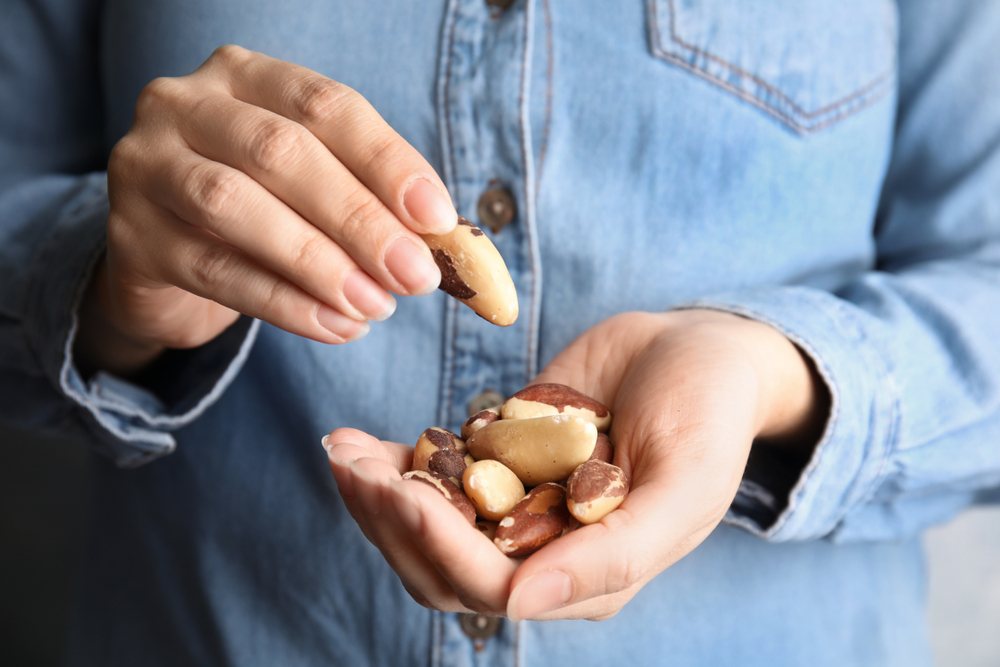
Nuts and seeds contain healthy fats, fibre, plant-based protein and minerals, among other nutrients.
Eating around 28 grams of nuts a day has been associated with a 22 percent lower risk of premature death.
Also read: Could Ozempic raise your pancreatic cancer risk? The largest study yet points one way
Eat different types of nuts
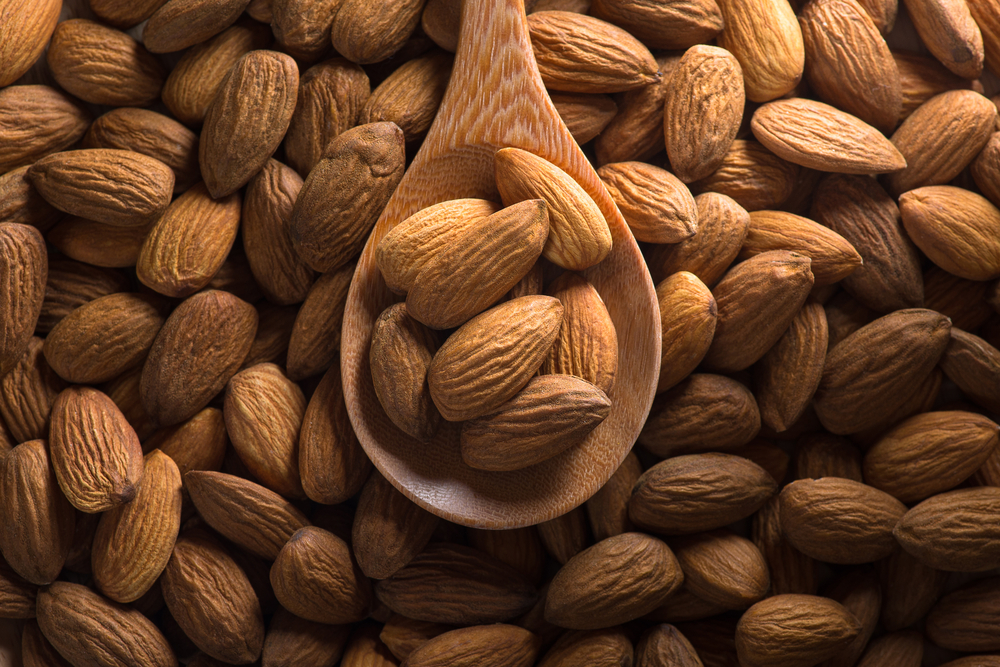
Different nuts have different nutritional properties. Almonds and peanuts are good sources of vitamin E, while walnuts stand out as a good source of the omega-3 fatty acid ALA.
Keep frozen berries on hand
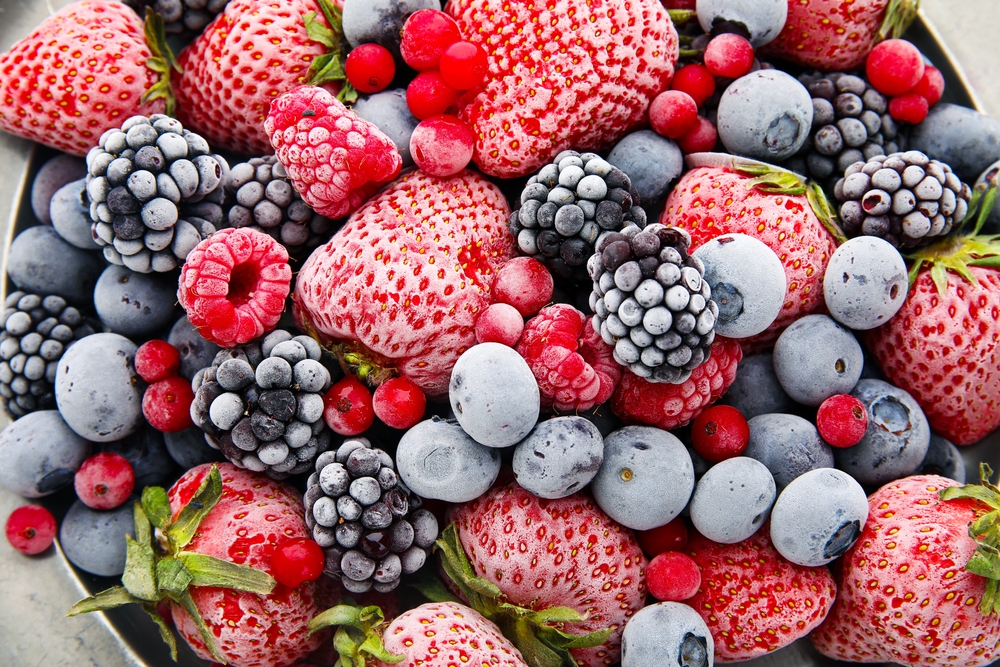
Frozen berries are convenient to keep on hand and can be used in oatmeal, yoghurt and smoothies, among other things.
Berries contain plant compounds called anthocyanins, which have been studied in relation to heart and brain health, including in research published in Circulation.
Get more fibre from berries
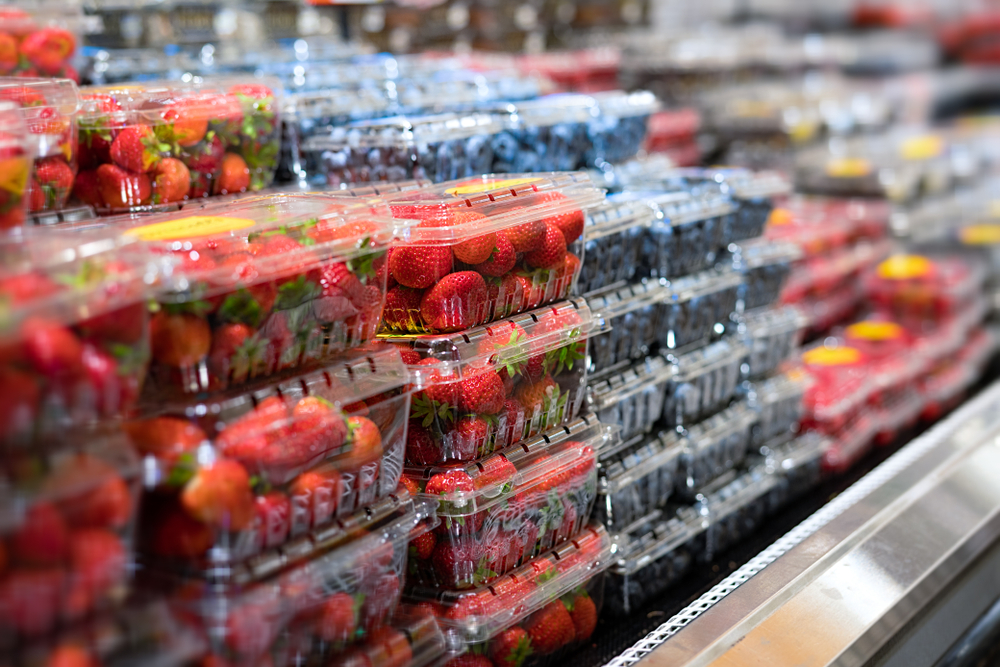
Berries can also provide fibre. One cup of raspberries contains around eight grams of fibre and can therefore be a simple way to increase your fibre intake.
Also read: Do magnesium supplements actually help you sleep? Here's what the evidence says
Chop broccoli before cooking
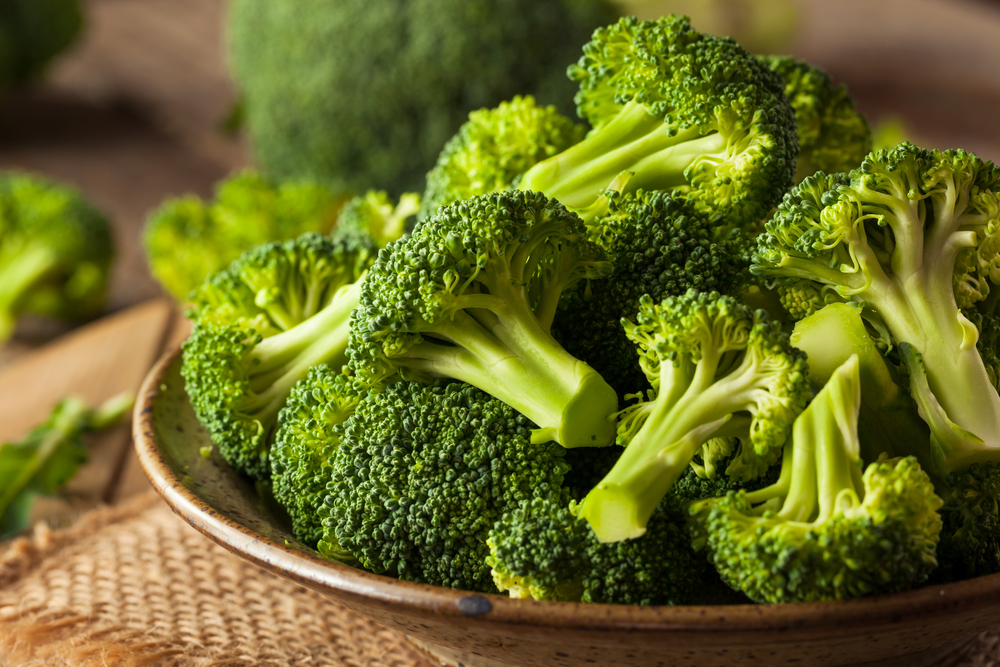
Broccoli and other cruciferous vegetables contain glucosinolates, which the body can convert into compounds including sulforaphane.
The compound is formed when the vegetables are chopped or chewed.
Let the vegetables rest
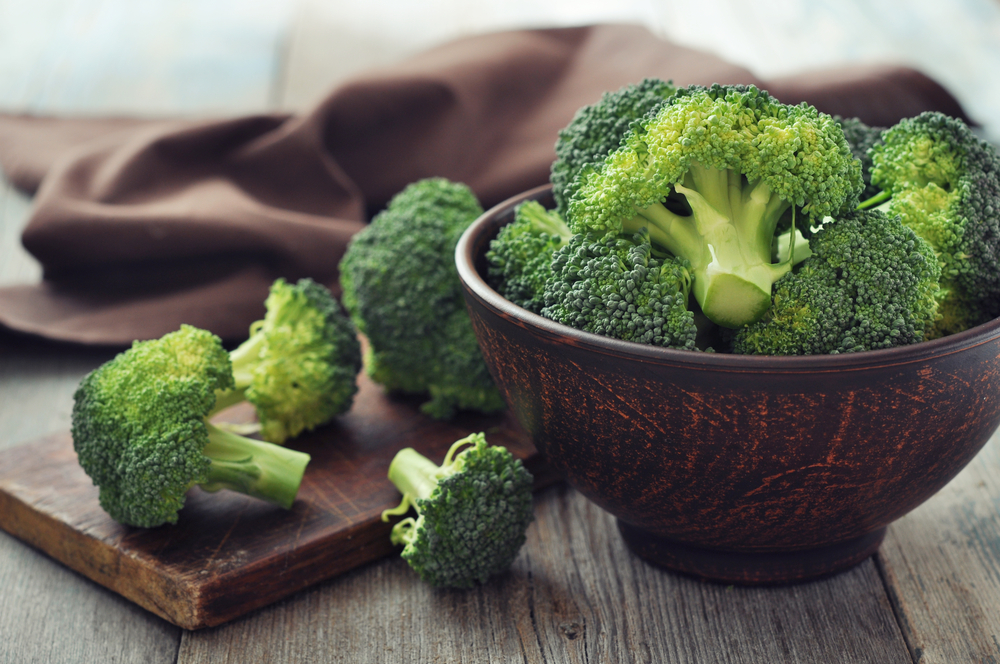
Heat destroys the enzyme involved in producing sulforaphane. For this reason, it is recommended to chop broccoli and let it sit while the rest of the meal is being prepared.
Use mustard powder with cooked vegetables
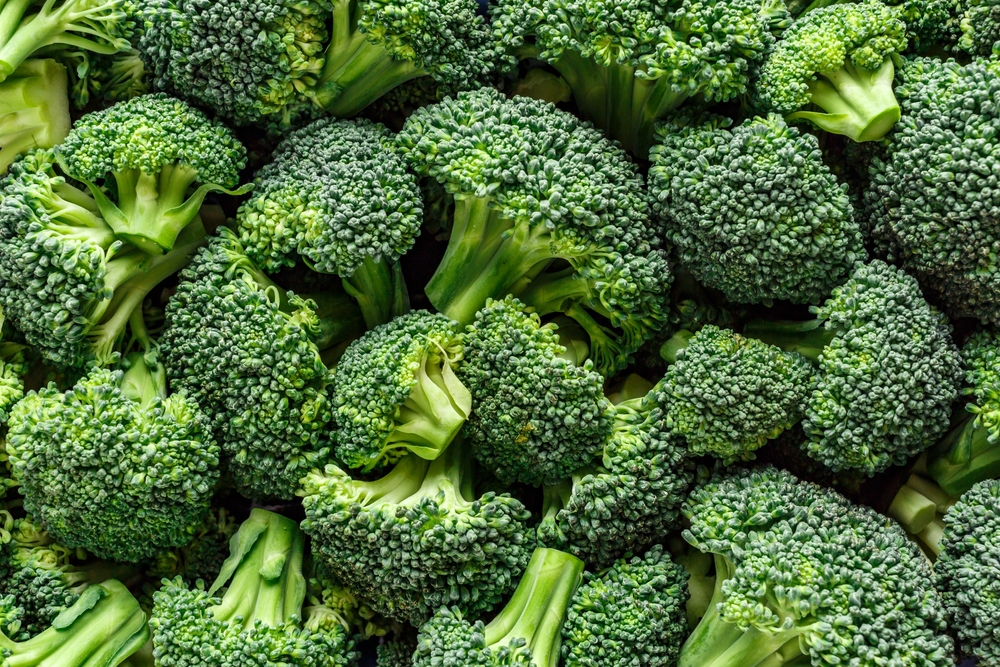
If broccoli has already been cooked or has been frozen, adding a little mustard powder may be an option.
Also read: How to get more iron from plant foods: the pairings that make a real difference
In a small study published in Molecular Nutrition and Food Research, sulforaphane absorption was around four times higher with this method.
Start with a small serving of beans
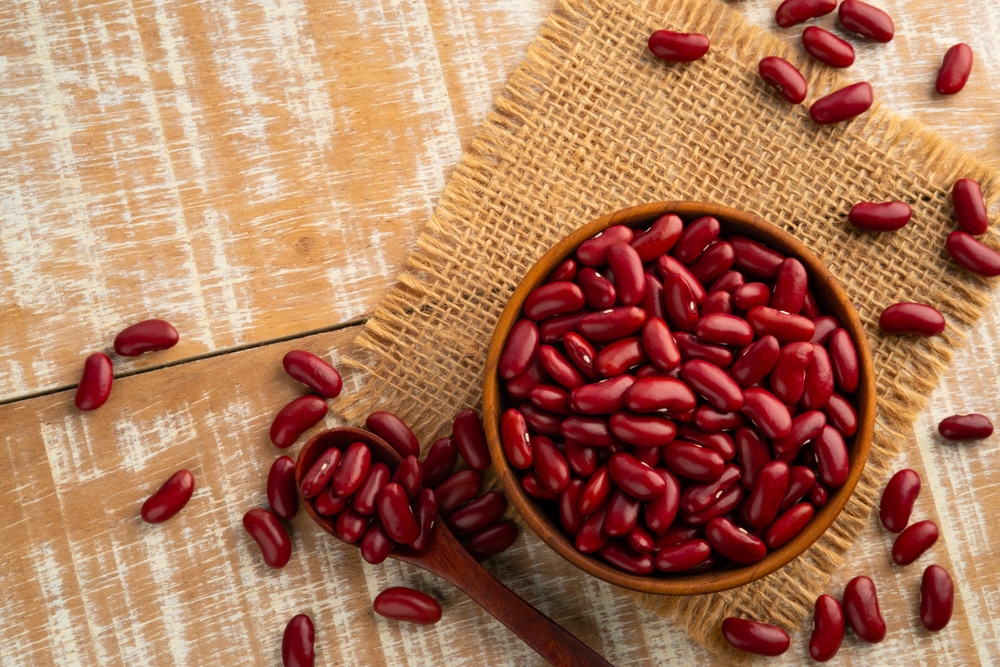
A quarter cup of beans a day can be a good starting point.
Beans combine plant-based protein with fibre, and a higher fibre intake has been associated with a lower risk of conditions including heart disease, stroke and type 2 diabetes.
Increase your bean intake gradually
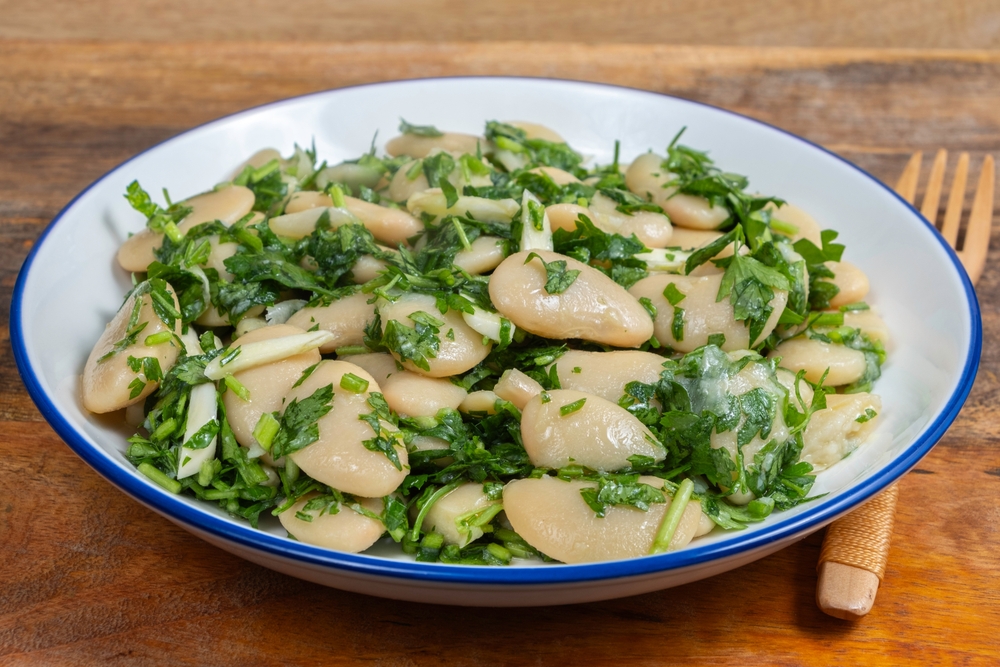
Some people experience increased gas when they start eating beans.
Also read: Aged cheese, wheat germ and mushrooms are linked to longer life
In studies, around half of the participants experienced this during the first week, but for most, the problem decreased after a few weeks, according to Real Simple.
Use legumes as a source of protein
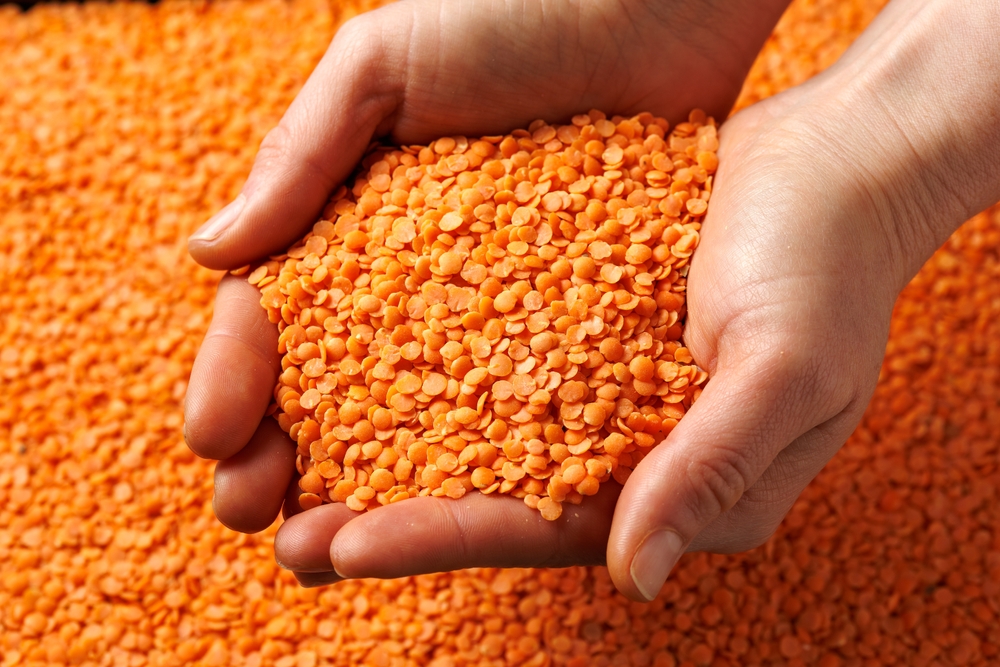
Lentils, chickpeas, black beans and edamame can provide protein, fibre and plant compounds.
Protein becomes particularly important with age because it helps maintain muscle and strength.
Add leafy greens to your meals
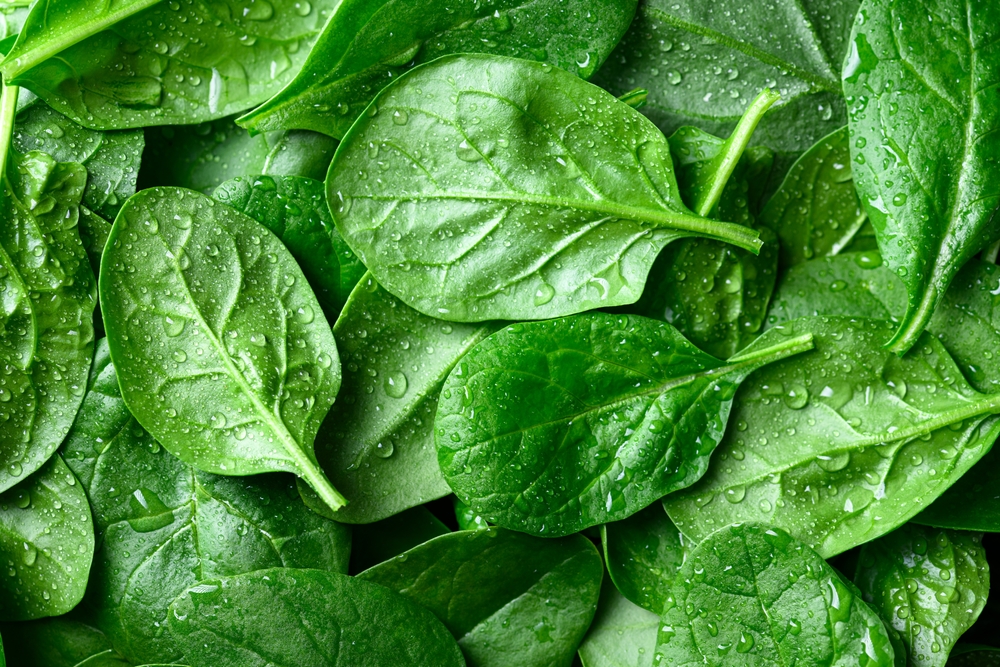
Spinach, kale, arugula, Swiss chard and romaine lettuce can easily be added to foods you already eat.
Also read: Want to age healthier? These habits can make a difference
For example, a handful of spinach can be added to eggs, soup, pasta or smoothies.
Aim for around one cup of leafy greens
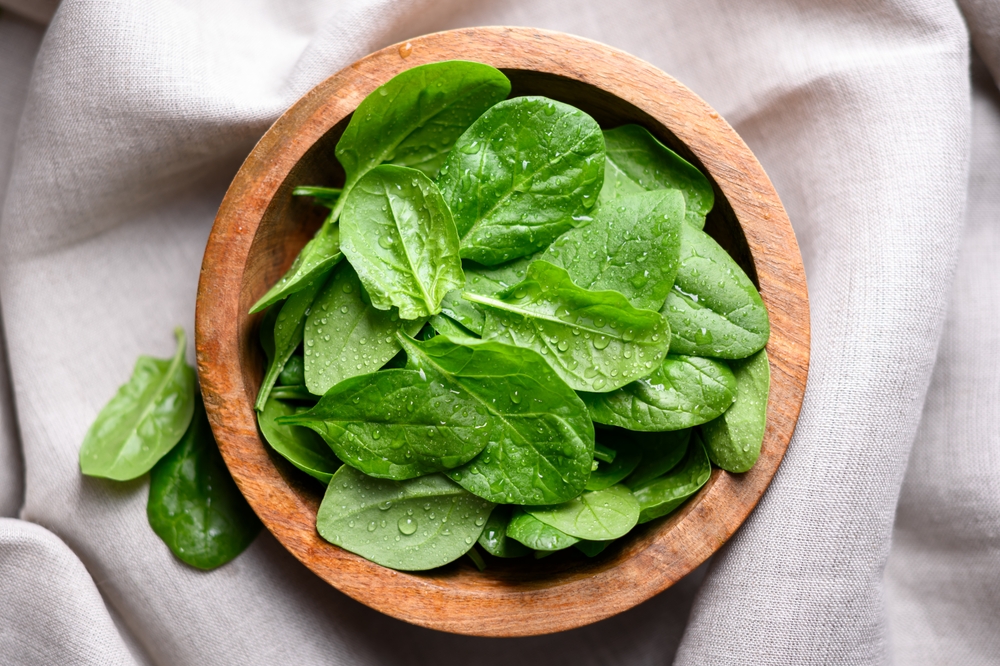
Experts recommend around one cup of leafy greens a day.
These vegetables provide fibre, folate, vitamin K and natural nitrates, among other nutrients. The nitrates help blood vessels relax.
Leafy greens are linked to brain health
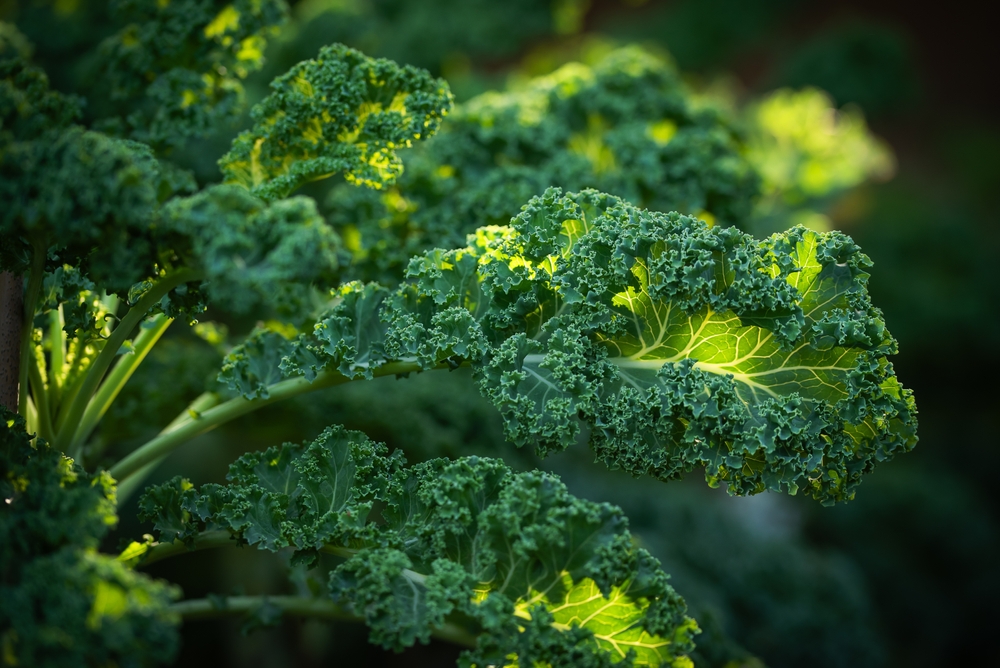
In a study published in Neurology involving older adults, people who ate around one serving of leafy greens a day experienced slower cognitive decline.
The difference was equivalent to being around 11 years younger compared with people who rarely ate leafy greens.
Leafy greens may benefit the heart

A Danish study published in the European Journal of Epidemiology, involving more than 50,000 participants, found an association between nitrates from vegetables and cardiovascular disease.
An amount equivalent to around one cup of leafy greens a day was associated with a 12 to 26 percent lower risk.
The overall dietary pattern matters

Experts emphasise that there is no single magic food that guarantees a longer life.
Instead, the overall dietary pattern throughout life matters more, and even small changes can make a difference over time.
This article is made and published by Ida-Marie Palm Varbæk, who may have used AI in the preparation.