
Avocado on toast has become a popular choice for both breakfast and snacks. When prepared with the right ingredients, it can have several beneficial effects on the body.
Here is what can happen to your heart, your energy levels, and your digestion if you eat it regularly.
Heart health

Avocado contains monounsaturated fatty acids, which can lower harmful LDL cholesterol and support beneficial HDL cholesterol.
Whole-grain bread provides fiber that helps regulate both cholesterol and blood sugar, according to a study published in Nutrients.
Also read: Your fluid balance affects how you handle stress
Together, this creates a meal that supports circulation and overall cardiovascular health.
Stable energy levels

The combination of healthy fats, fiber, and carbohydrates provides a steadier supply of energy, according to a study published in Food Science & Nutrition.
Fiber slows digestion, helping you avoid rapid spikes in blood sugar and keeping you feeling full for longer, the study in Nutrients shows.
Your digestion may improve

Avocado is rich in fiber, which helps food move through the digestive system.
Also read: New research offers hope for leukemia with less than 5 percent survival rate
Fiber also serves as nourishment for beneficial gut bacteria and supports healthy digestion.
Your gut microbiome may become more diverse
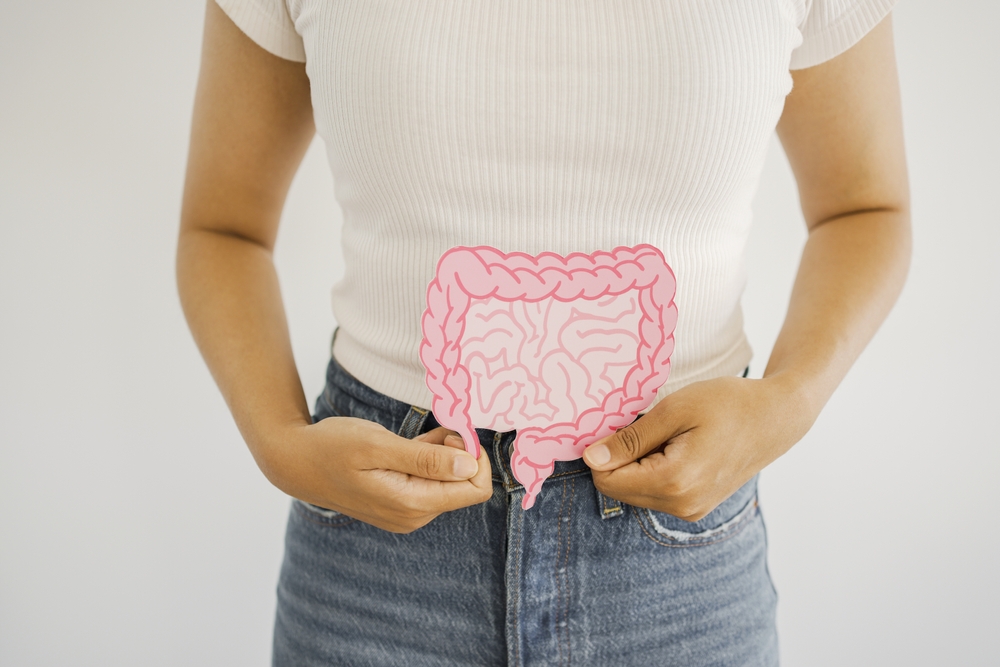
Studies published in The Journal of Nutrition show that people who eat avocado regularly have a greater variety of beneficial gut bacteria.
This is associated with improved digestion and lower levels of inflammation in the body.
The level of beneficial fats in the gut may increase

Regular avocado consumption is linked to higher levels of beneficial fats in stool.
Also read: New study: Two days of oats can lower your cholesterol
This is associated with better gut balance as well as healthier regulation of blood sugar and weight.
The levels of certain bile acids may decrease

People who eat avocado frequently have lower levels of certain bile acids. Excessively high levels can irritate the gut and cause digestive problems.
Your skin may look healthier

Avocado contains vitamin E, vitamin A, carotenoids, and healthy fats.
These nutrients protect skin cells, support moisture balance, and may give the skin a healthy glow, according to a study published in Journal of Cosmetic Dermatology.
Also read: Men lose the Y chromosome with age - and it could affect their health
Your skin may become firmer and more elastic

A study published in Journal of Cosmetic Dermatology found that people who ate avocado daily for eight weeks experienced firmer and more elastic skin on the forehead.
Your brain may benefit

Research published in Frontiers in Nutrition suggests that older adults who eat avocado perform better on memory tests than those who do not.
This may be due to nutrients that support blood flow, protect brain cells, and reduce inflammation.
You may feel full for longer
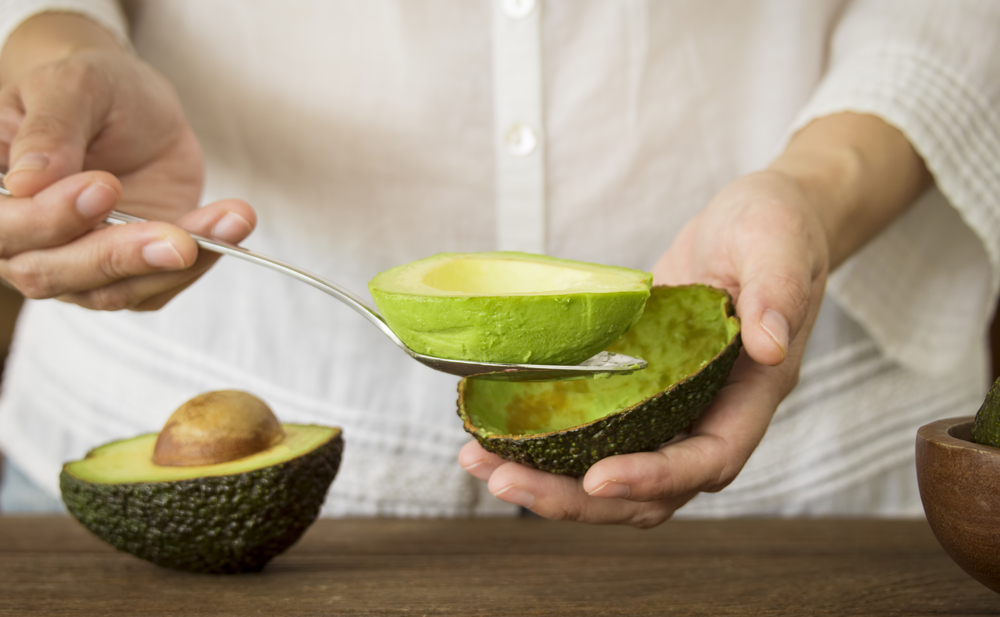
Avocado on toast is more filling than plain white toast or sugary breakfast products.
Also read: Foods and drinks that help relieve constipation
Fat and fiber work together to prolong the feeling of fullness, and adding a source of lean protein can further enhance this effect.
Your intake of essential nutrients increases
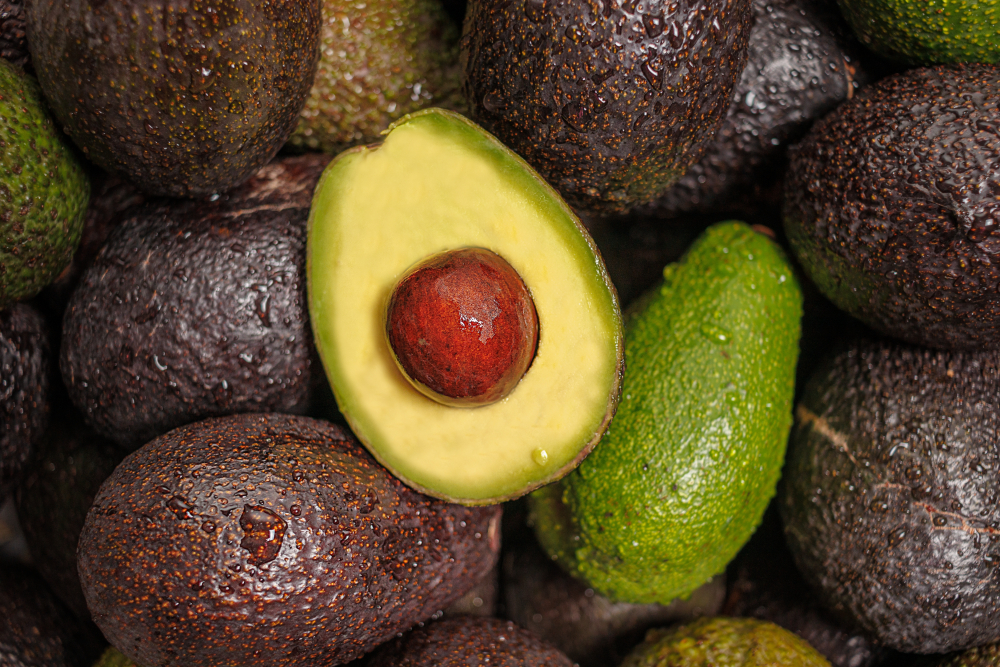
Avocado is a source of potassium, folate, magnesium, and vitamins A, B, E, and K.
Whole-grain bread contributes B vitamins, iron, and fiber. Together, this provides a nutrient-dense meal that supports, among other things, the immune system as well as muscle and nerve function.
You can strengthen the meal with healthy toppings

Avocado on toast can be complemented with lean protein sources such as eggs, tofu, chickpeas, chicken, tuna, or salmon.
In addition, nuts, seeds, vegetables, and fresh herbs can add extra nutrients and variety.
Sources: Verywell Health, Nutrients, Food Science & Nutrition, The Journal of Nutrition, Journal of Cosmetic Dermatology, and Frontiers Nutrition.