
Accidents with grills, bonfires, or even hot sand can leave painful marks - especially in summer.
If you or someone you know suffers a burn, here's exactly what to do, step by step.
Cool the burn
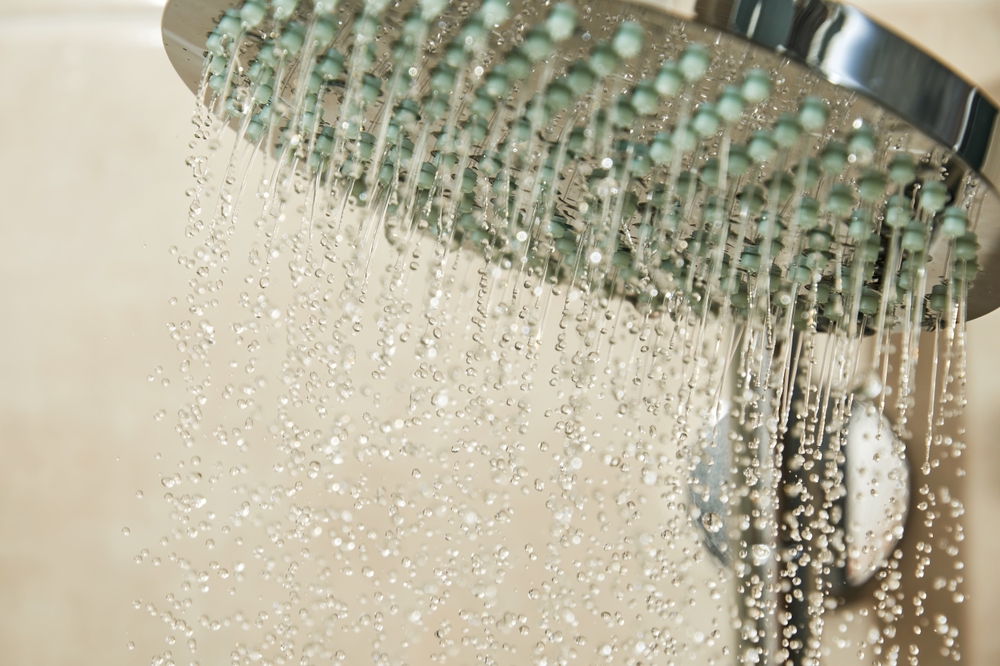
The very first step after a burn injury is to cool the affected area with cool water.
The water should be around 18-19°C (65°F) — not cold, just pleasantly cool. Keep the area under running water for at least one hour to stop the burn from worsening.
Also read: Things You Should Know Before Walking Into the Doctor’s Office for Your Annual Exam
Avoid ice or ice-cold water
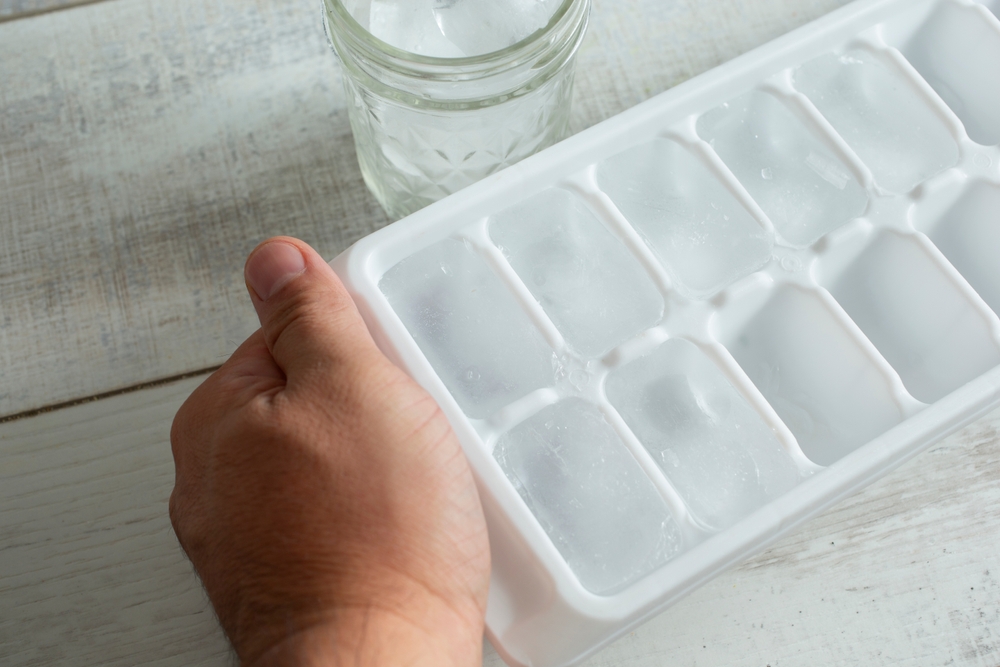
Using ice or extremely cold water may seem like a quick fix, but it can actually cause further skin damage.
Ice can lead to cold burns and hinder proper healing. Stick to cool, not cold, water for safe treatment.
Painkillers won’t stop the damage
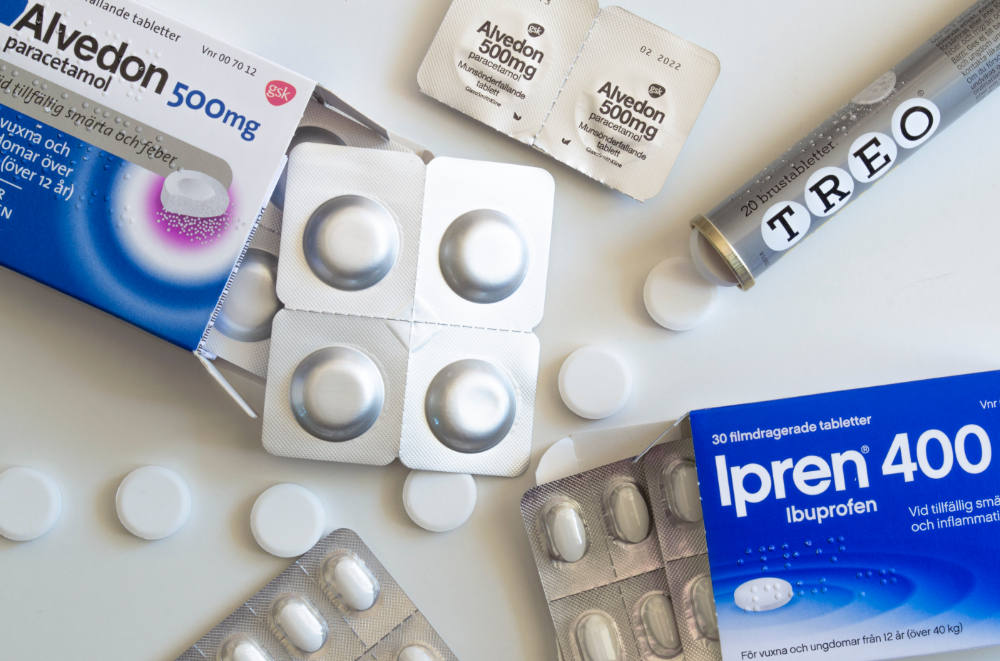
Over-the-counter painkillers like paracetamol can help reduce pain, but they don’t affect how deep the burn goes.
Only proper cooling can prevent the burn from developing into a more serious injury.
Also read: 9 Early Symptoms of Diabetes You Should Take Seriously
Know the degrees of burns
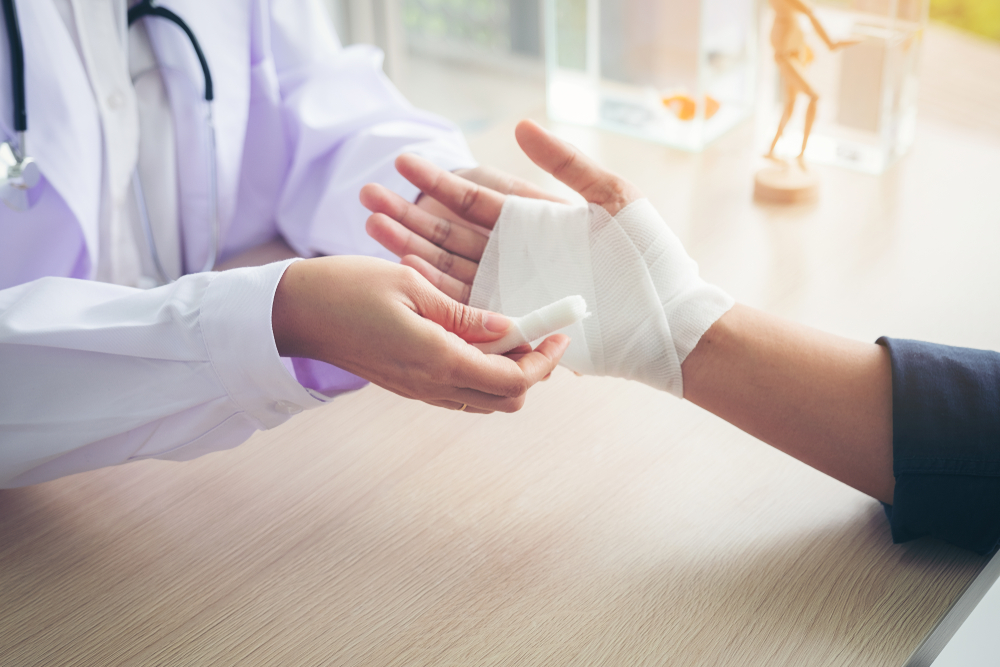
First-degree burns result in red and painful skin.
Second-degree burns come with painful blisters.
Third-degree burns are the most serious — the skin may appear white, leathery, and numb.
The deeper the burn, the more urgent the need for medical help.
Also read: 10 Everyday Habits That Could Help Prevent Dementia
Don’t pop the blisters
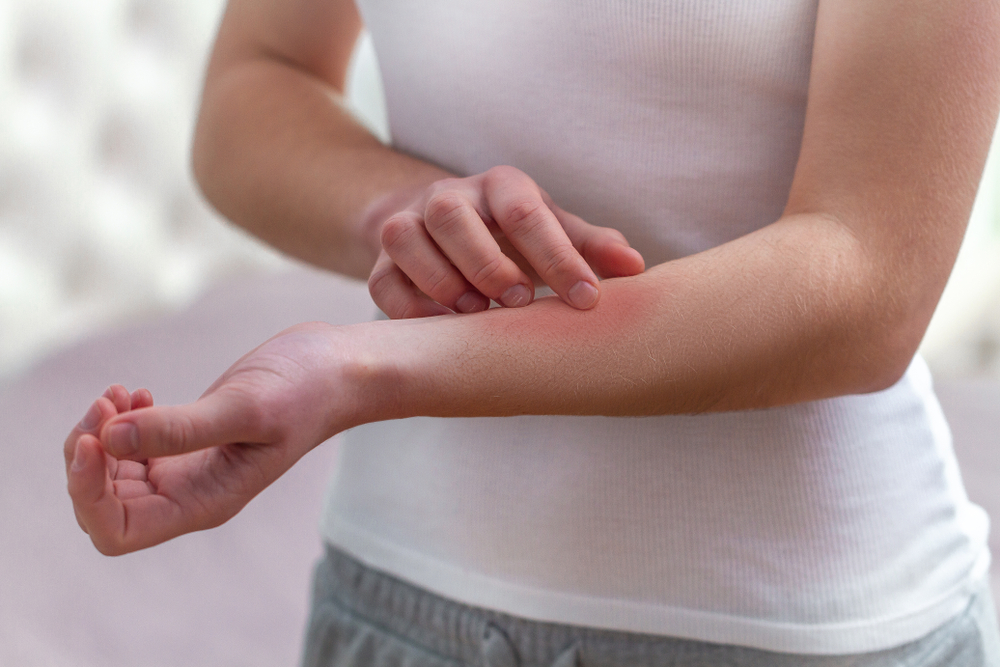
If you develop blisters, resist the urge to pop them. Opening blisters increases the risk of infection.
A doctor will decide whether they should be drained in a sterile setting during treatment.
Size matters

As a rule of thumb: If the burn area is larger than your own palm, seek medical attention.
Larger surface areas increase the risk of complications and may need professional treatment.
Also read: Experts Reveal the Secret to a More Secure Relationship
Location is critical

Burns on sensitive areas like the face, hands, or genitals require medical attention, regardless of size.
These areas are prone to more serious damage and long-term consequences if not treated properly.
Keep cooling
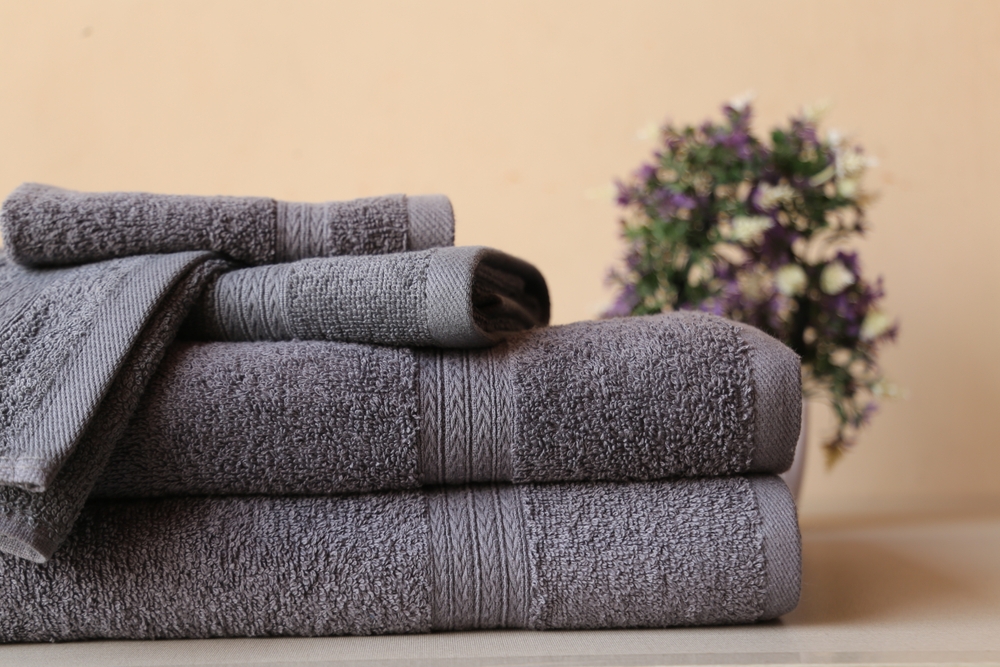
If you need to go to the doctor or ER, continue to cool the burn on the way.
Use clean, wet towels or keep flushing the burn with water if you can. Every extra minute of cooling can help minimize the damage.
Also read: Are You Glued to Your Screen All Day? Here’s What to Do
Minor burns can often be treated at home
If the burn is only red and you manage to cool it effectively right away, there’s usually no need to see a doctor.
Still, monitor the area. If blisters form or the pain worsens, don’t hesitate to get help.
Don’t forget your tetanus shot
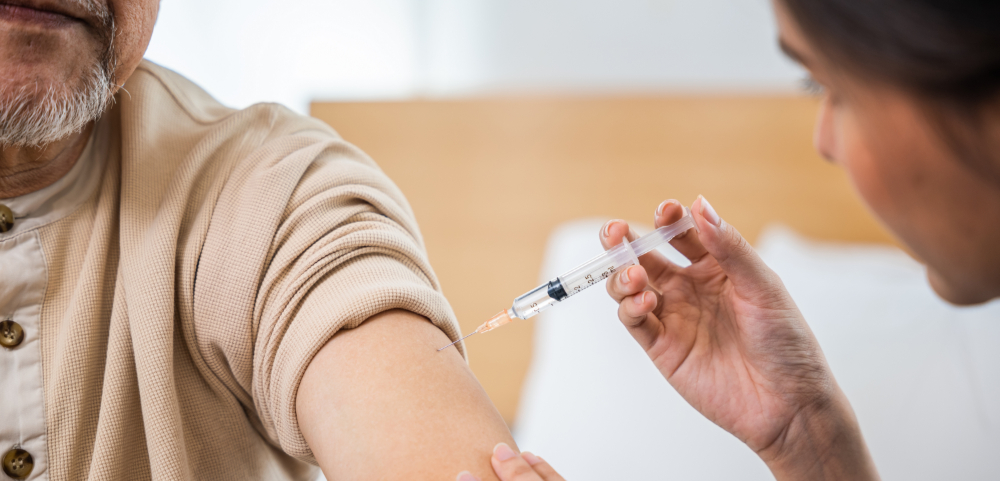
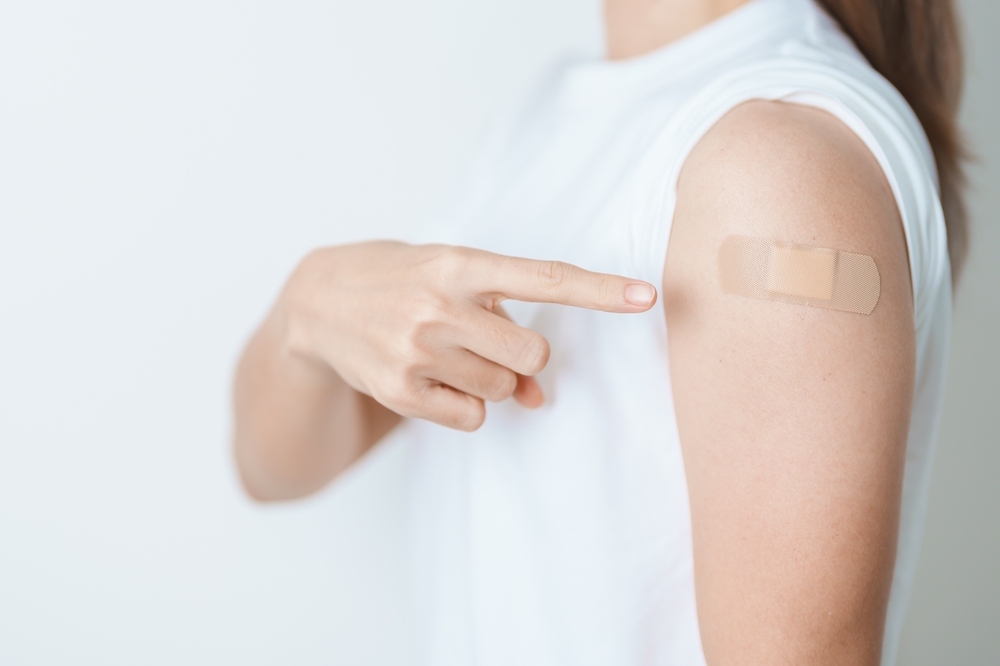
If it’s been more than 10 years since your last tetanus vaccination, ask for a booster — especially if the skin is broken.
Burns expose deeper layers of skin and increase the risk of infection, including tetanus.
This article is based on information from Netdoktor.dk.
This article is made and published by Ida-Marie Palm Varbæk, who may have used AI in the preparation.