
Eating more than the body needs affects both digestion and energy levels.
The effects can be felt quickly, but they may also have long-term consequences if it happens frequently, writes EatingWell.
The stomach expands

When you eat, the stomach expands to accommodate the food.
If you eat too much, it can stretch beyond its normal capacity, causing an uncomfortable feeling of being overly full.
Also read: Researchers test new drug to prevent weight gain after Wegovy
Digestive discomfort
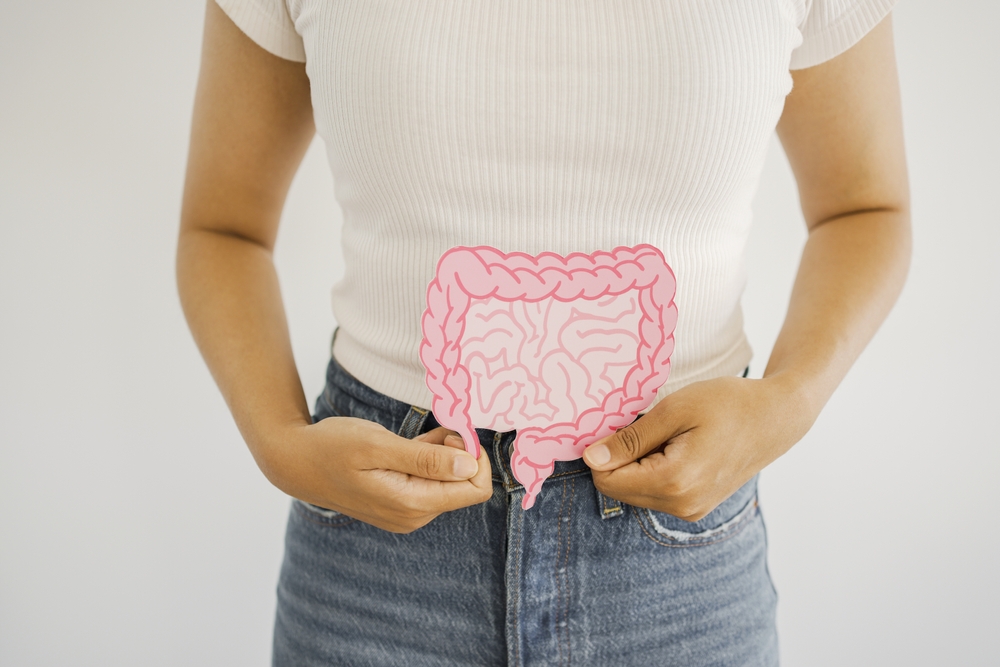
A very large amount of food can create pressure and discomfort as it moves from the stomach into the small intestine.
Risk of reflux

Large meals can cause stomach acid to move up into the esophagus. This may lead to a burning sensation and a sour taste in the mouth.
Poor sleep

Eating close to bedtime can worsen reflux and make it harder to sleep.
Feeling of fatigue

When the body has to digest large amounts of food, it uses extra energy. This can result in a feeling of heaviness and sleepiness.
Also read: Stopping GLP-1 drugs may reverse heart benefits, study finds
Blood sugar rises
A large meal, especially one high in carbohydrates, can cause a significant rise in blood sugar levels.
Insulin is activated

When blood sugar rises, the body releases insulin, which helps transport sugar into the cells.
Excess energy is stored as fat

If the body cannot store more energy in the liver and muscles, the remainder is converted and stored as fat.
Risk of leptin resistance

With repeated overeating, the body can become less sensitive to the hormone leptin, which normally signals fullness to the brain, according to a study published in Frontiers in Endocrinology.
Also read: Trump’s hair draws attention – a familiar sign of aging
Increased appetite

When the leptin signal does not function properly, it can lead to continued feelings of hunger and increased food intake.
Weight gain over time

If you regularly consume more calories than you burn, it will eventually lead to weight gain.
Larger stomach capacity

Frequent overeating can cause the stomach to adapt to larger amounts of food, meaning you need to eat more to feel full.
Risk of insulin resistance

Regular overeating can make the body’s cells less sensitive to insulin, keeping blood sugar levels elevated.
Also read: How beets can affect your kidneys if you eat them often
Increased risk of disease

Long-term effects on blood sugar and insulin can increase the risk of obesity and type 2 diabetes.
Small changes can help

Eating more slowly, paying attention to fullness, and spreading meals evenly throughout the day can reduce the tendency to overeat.
Managing after overeating

Light activity such as a walk, staying upright, and avoiding carbonated drinks can help relieve discomfort after a large meal.
Sources: EatingWell and Frontiers in Endocrinology.
Also read: Have you had a urinary tract infection? It may increase your risk of dementia