
Waking up several times during the night isn’t just annoying — it could be a sign that your mental or physical health is out of balance.
Stress disrupts your sleep

Stress is one of the most common psychological reasons for waking up at night.
It affects the hormonal system and brain activity, making sleep lighter and easier to interrupt.
It can also lead to nightmares or make it harder to fall back asleep after waking up.
Also read: Are Your Skincare Products Making Your Eczema Worse? Find Out Here
Anxiety and racing thoughts keep your brain active

If you lie awake worrying at night, anxiety might be to blame. Negative thoughts and mental overactivity prevent the body from relaxing.
That results in wakeing up more often and struggle to get back to sleep.
Depression changes your sleep rhythm

Depression and sleep disorders go hand in hand. Up to 75 % of people with depression have trouble falling or staying asleep, according to John Hopkins Medicine.
In some cases, insomnia may be one of the earliest symptoms of depression, even before mood changes become noticeable.
Also read: Are Wegovy and Ozempic Actually Different? Here's What a Specialist Says
Screen time before bed blocks melatonin

Many people use phones, laptops, or TVs just before going to sleep — but the blue light from these screens suppresses melatonin production, the hormone that helps you sleep.
This not only delays sleep onset but also leads to frequent night awakenings.
Alcohol leads to restless sleep

While alcohol can help you fall asleep faster, it disrupts your sleep cycle later in the night.
Even small amounts can cause fragmented sleep and reduce the quality of rest by shortening deep sleep phases.
Also read: Try this simple writing test at home – it could reveal your dementia risk
Aging makes sleep more fragile

As we age, sleep becomes lighter and more fragmented.
Deep sleep phases get shorter, and we wake up more frequently — often due to physical discomfort, pain, or the need to urinate.
While it’s a normal part of aging, it still affects overall sleep quality.
Medical conditions like sleep apnea interrupt rest
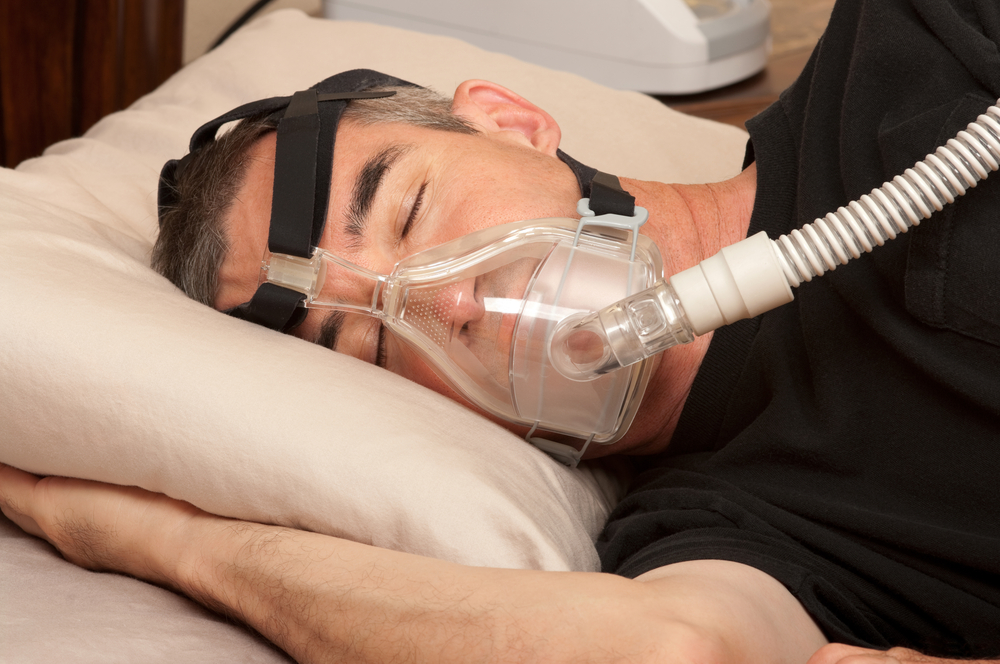
Sleep apnea is a condition where breathing repeatedly stops during the night, causing the body to wake up — often without the person realizing it.
Also read: Feel Down Every Sunday? Try These Therapist-Approved Hacks
This disorder should be medically assessed, as it has a major impact on sleep quality and general health.
Poor sleep environment affects your rest

A room that’s too hot, too noisy, too bright, or simply uncomfortable can cause multiple awakenings.
Creating a calm, cool, and dark sleeping environment is essential to maintaining uninterrupted sleep.
Unhealthy evening habits sabotage sleep

Heavy meals late at night, caffeine after 5 PM, or long naps during the day can interfere with falling and staying asleep.
Also read: These 8 simple moves can relieve your headache in minutes – here’s how
These habits disrupt your body’s natural rhythm and can lead to more night awakenings.
Irregular sleep schedules confuse your body clock

Going to bed and waking up at different times every day can throw off your circadian rhythm.
Maintaining a consistent sleep schedule helps your body know when it’s time to sleep, reducing night-time awakenings.
This article is based on information from Infobae.com.
This article is made and published by Ida-Marie Palm Varbæk, who may have used AI in the preparation.