
A new study suggests the length of your fingers could reveal how fit you really are.
But how much can your hands actually tell you about your athletic potential?
Study analyzed over 5,000 people

The meta-analysis included data from 22 studies with 5,293 participants across 12 countries, making it the most comprehensive research of its kind so far.
This finger might mean better endurance
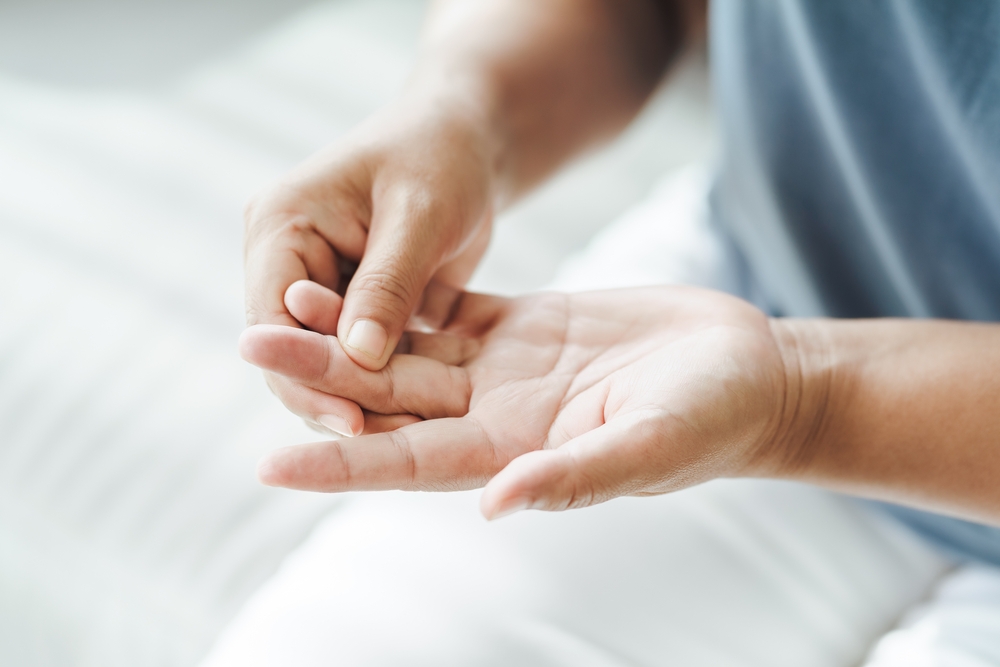
People with longer ring fingers than index fingers tend to have greater stamina and can push themselves harder during exercise, according to the new meta-analysis.
Also read: Can Spicy Food Heal Or Harm Your Gut? Here’s What Science Suggests
Your finger length is set before you're born

Researchers believe the ratio between your ring and index finger is influenced by how much testosterone you were exposed to in the womb - and that could affect your athletic abilities later in life.
Lower 2D:4D ratio linked to better endurance
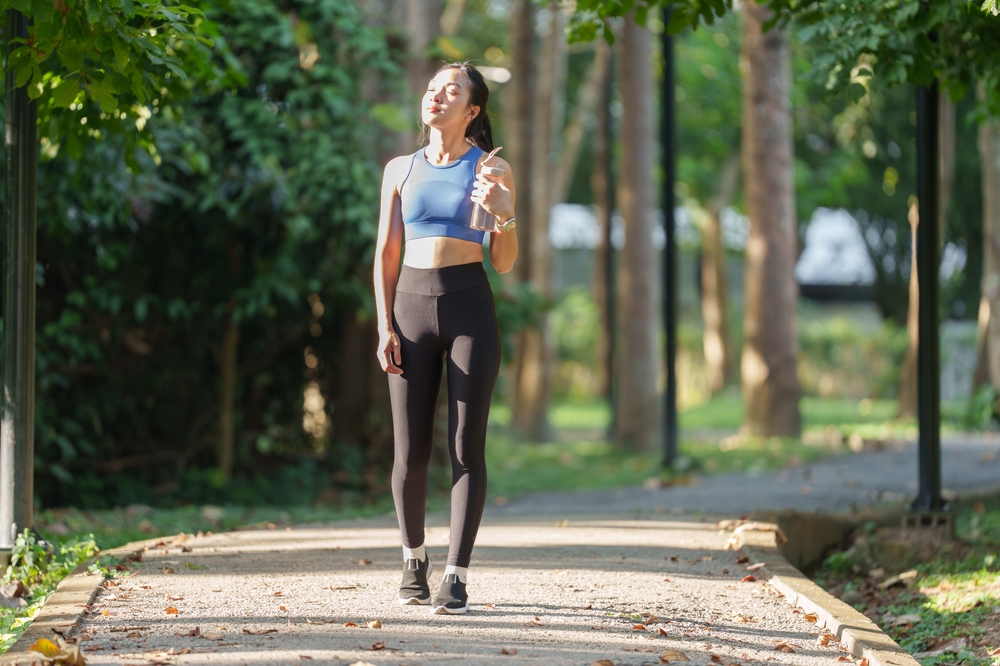
Those with a shorter index finger compared to their ring finger (a lower 2D:4D ratio) performed better in endurance sports like running, rowing, walking, and cycling - but not necessarily in speed or skill-based activities.
Elite athletes often have a lower 2D:4D

Several studies show that top-level athletes tend to have lower digit ratios than non-athletes - especially in endurance or explosive sports, and more noticeably in men.
Higher testosterone spikes during training
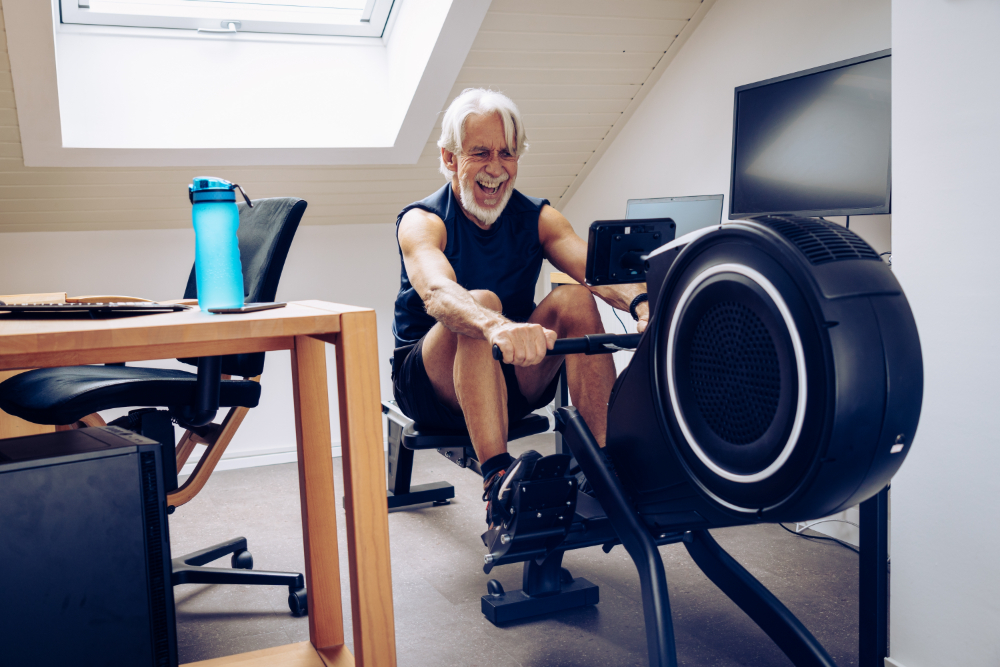
People with lower digit ratios may experience stronger testosterone surges during intense workouts, helping them tolerate discomfort and perform at a higher level.
Also read: This Common Kitchen Ingredient Could Be the Key to Stopping Cancer
Finger length may influence motivation

Some research suggests that people with lower 2D:4D ratios are more motivated during physical activity, which could also help boost athletic performance.
Some experts question the theory

Critics argue that finger ratios can change over time, and that it’s impossible to prove how much prenatal testosterone someone was exposed to.
That casts doubt on finger length as a reliable predictor.
Training still matters most
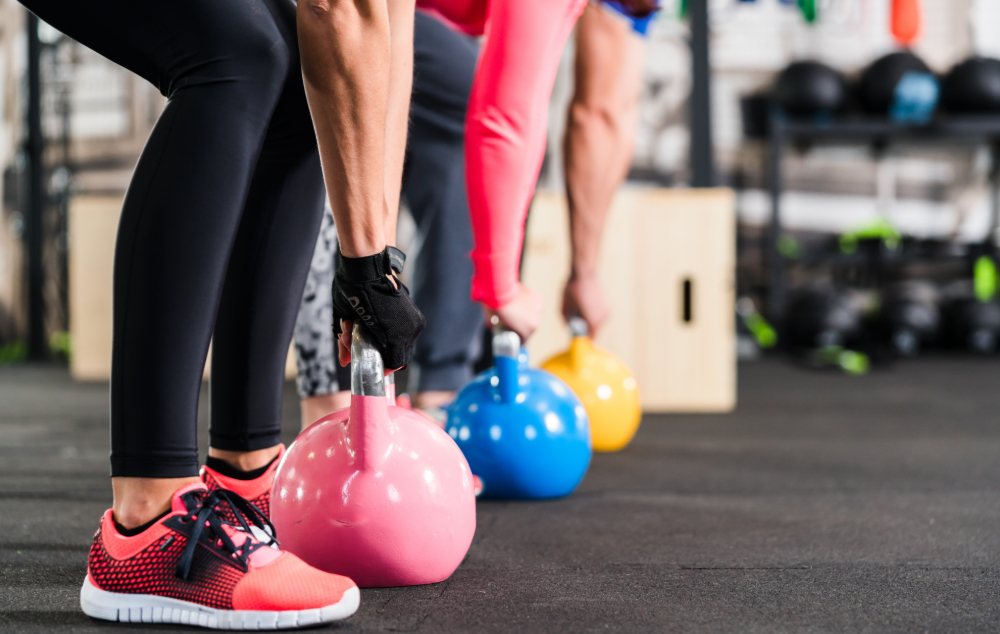
Regardless of finger length, consistent and targeted training remains the most important factor in determining your physical fitness, say both skeptics and supporters of the study.
Also read: Press Here to Poop: Body Points that Relieve Constipation Naturally
Finger length might help identify athletic talent
The researchers suggest that finger ratio could be a cheap, simple screening tool for identifying potential in sports - but they caution that it should never replace real fitness testing.
This article is based on information from Health.com.
Also read: Where Ticks Love to Hide: Places on Your Body You Need to Check Carefully
This article is made and published by Ida-Marie Palm Varbæk, who may have used AI in the preparation.