
What do people who live to 100 or older eat? Researchers have studied dietary habits in regions where unusually large numbers of people live exceptionally long lives.
Several foods feature prominently in their diets and may have a positive impact on health, according to Real Simple.
Sweet potatoes
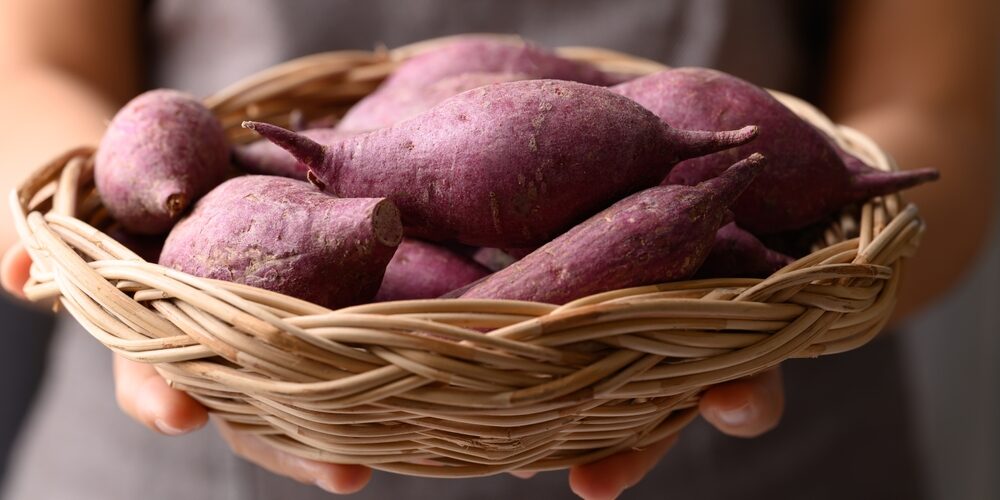
On the Japanese island of Okinawa, purple sweet potatoes have long been a staple in the diets of people who live beyond 100.
They contain fiber, potassium and vitamins that support various bodily functions.
Also read: A change in how you speak could be an early warning sign of dementia, study finds
Olive oil

Olive oil is a common ingredient in the diets of many people who live long lives.
It contains unsaturated fatty acids that help maintain healthy cholesterol levels.
Tea
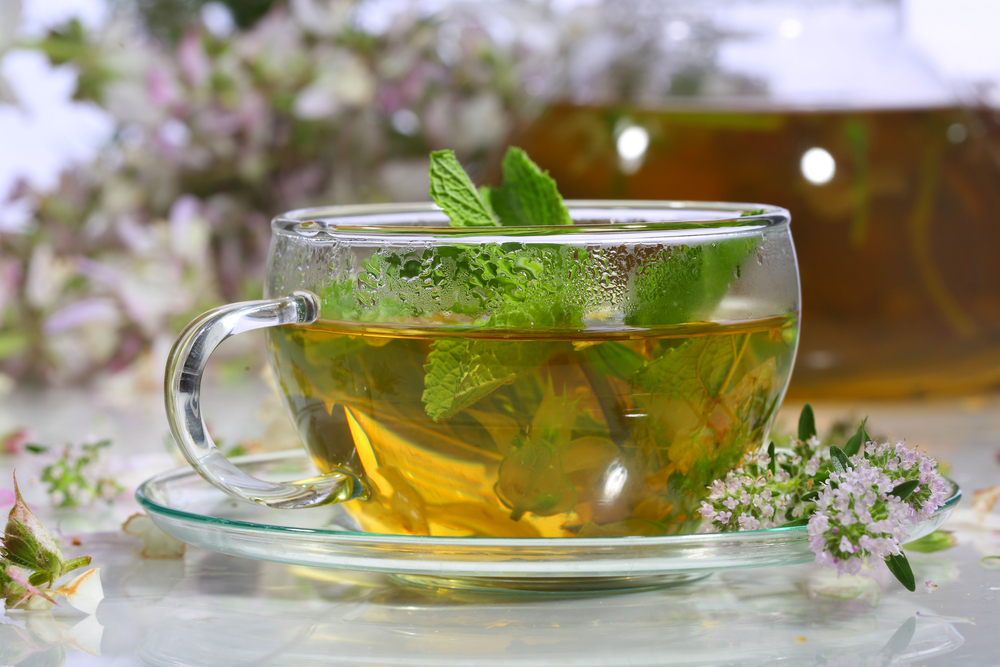
Green tea, black tea and herbal tea are popular beverages in several of the world's so-called Blue Zones.
Tea contains antioxidants and plant compounds that may support brain and heart health, as well as the immune system.
Also read: Your Halloween face paint could cause a skin reaction days later: Here's how to protect yourself
Legumes
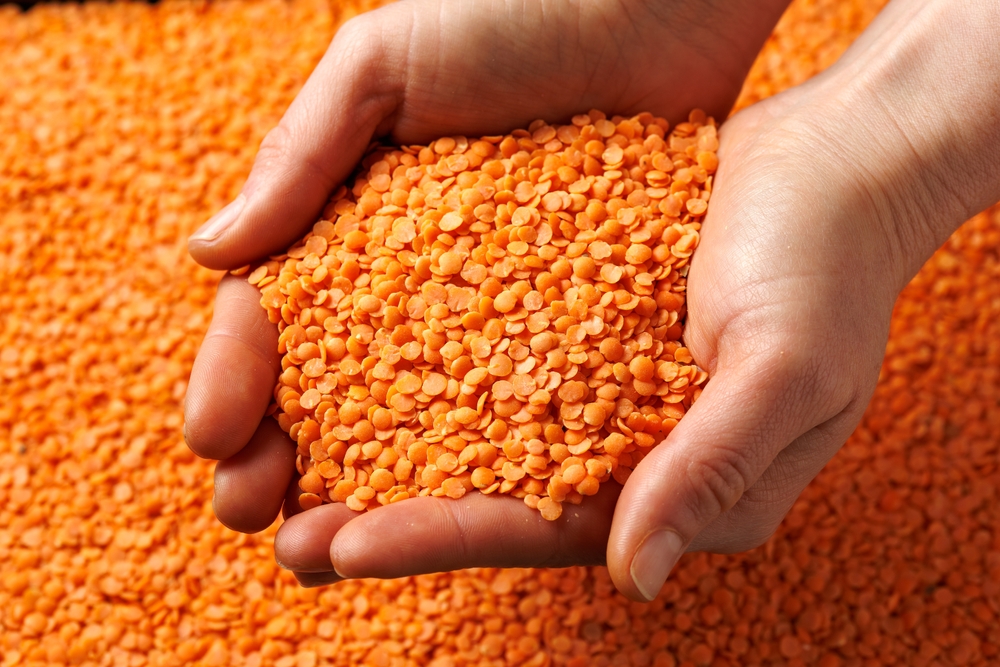
Beans, lentils and peas are among the foods commonly eaten by people who live beyond 100.
They provide both fiber and plant-based protein, which may help regulate blood sugar and cholesterol levels.
Nuts
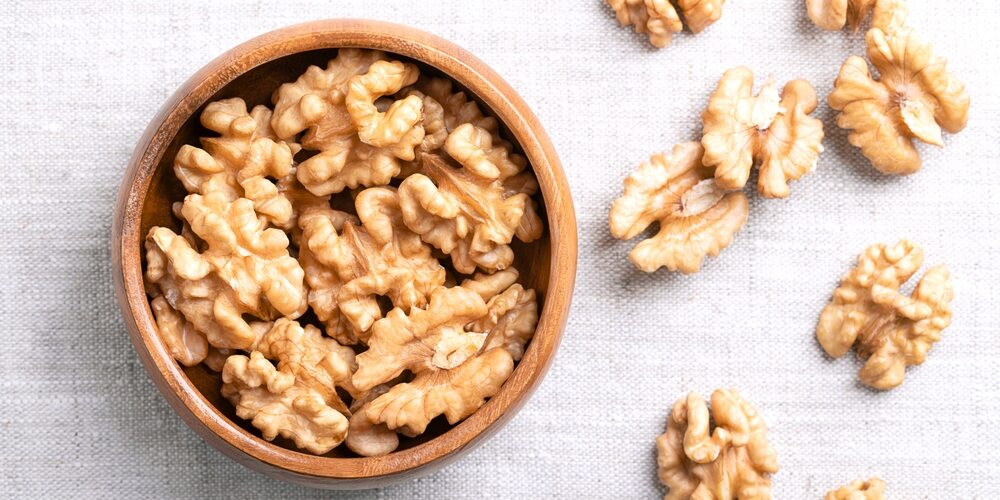
Nuts contain vitamins, minerals and unsaturated fatty acids.
According to nutrition experts, regularly eating nuts is associated with a lower risk of heart disease and inflammation in the body.
Also read: Healthy eating remains a challenge for vulnerable groups, study finds
Fish
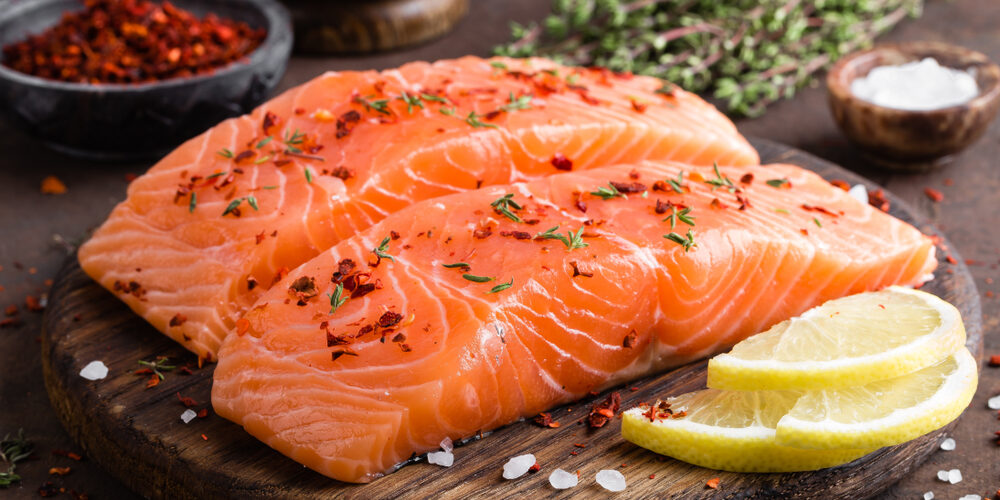
People who live long lives often eat less meat and instead include fish and other types of lean seafood in their diets.
Fatty fish, in particular, contain omega-3 fatty acids that support the heart, brain and immune system.
Whole grains
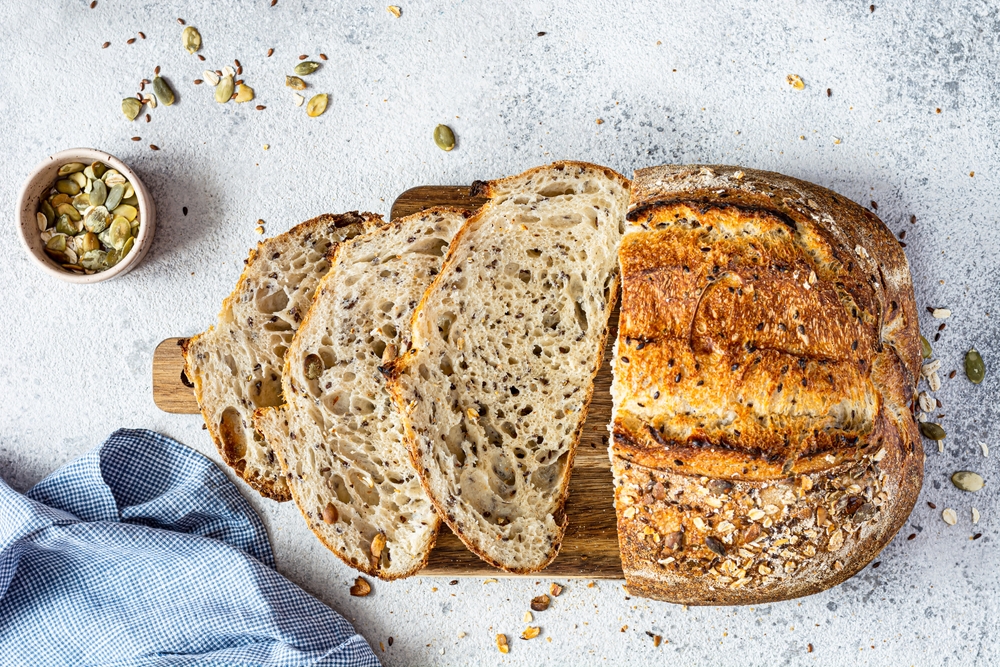
Whole-grain products contain more fiber, minerals and B vitamins than refined grain products.
A high intake of whole grains is associated with a lower risk of death from cardiovascular disease and cancer.
Also read: Why scientists say pumpkin deserves a place on your plate
Sourdough bread
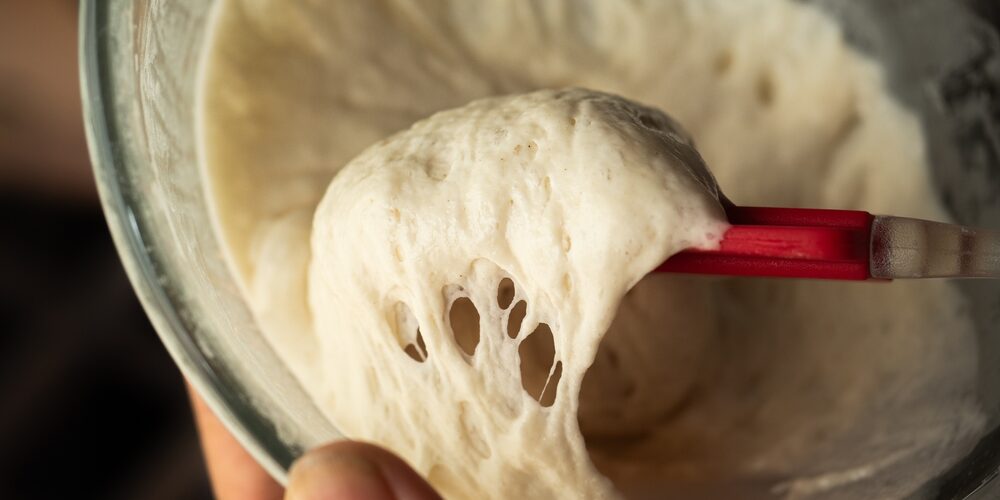
Many people who live beyond 100 bake their own bread, often using sourdough.
The fermentation process may make the bread easier to digest and help maintain more stable blood sugar levels.
Turmeric
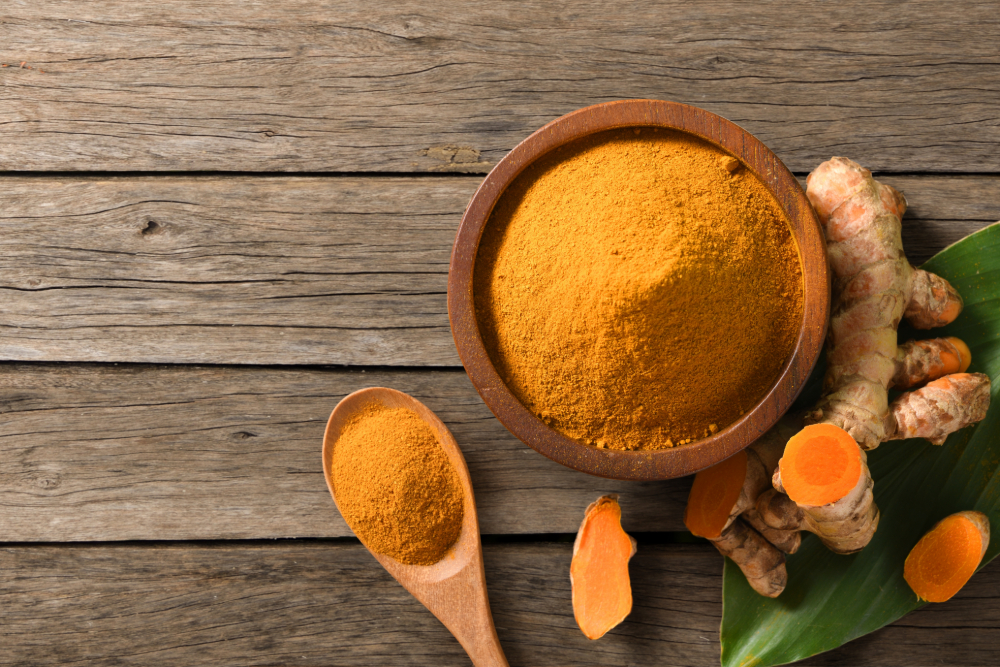
Turmeric contains plant compounds, including curcumin and flavonoids.
These compounds may help reduce inflammation in the body and support brain health.
Also read: These signs could reveal that you have caught the flu this year
Seeds
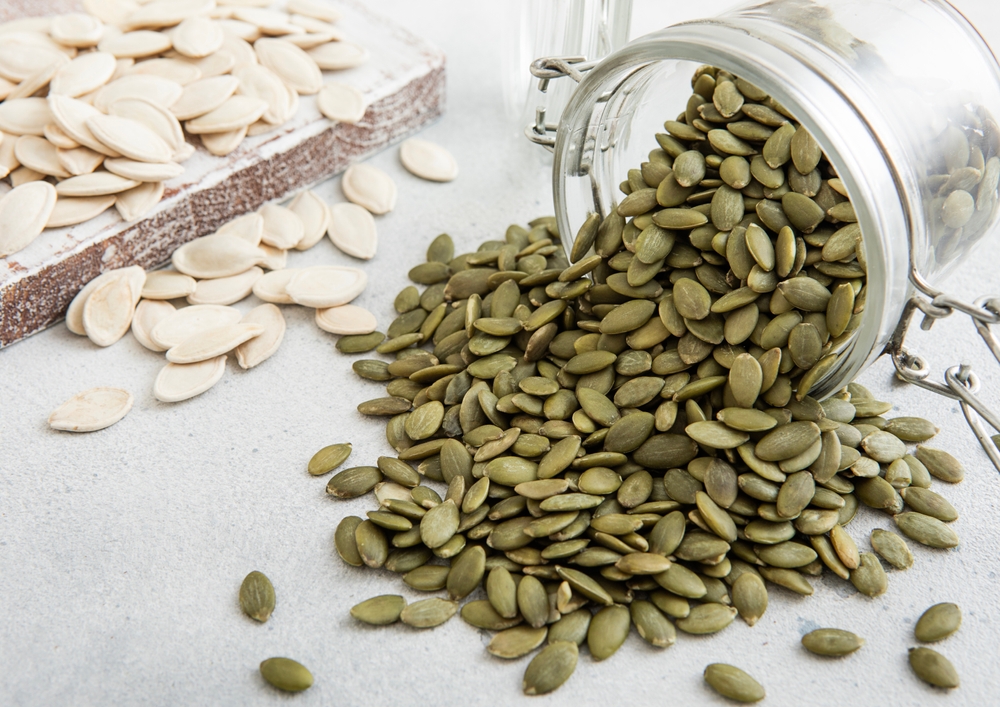
Like nuts, various types of seeds contain healthy fats and other nutrients.
Their nutritional composition means they may offer health benefits similar to those of nuts.
Large breakfasts are common

According to dietitian Amy Davis, many people who live to 100 tend to eat a substantial breakfast.
This is one of several dietary habits researchers have observed among people with exceptionally long lifespans.
Plant-based foods
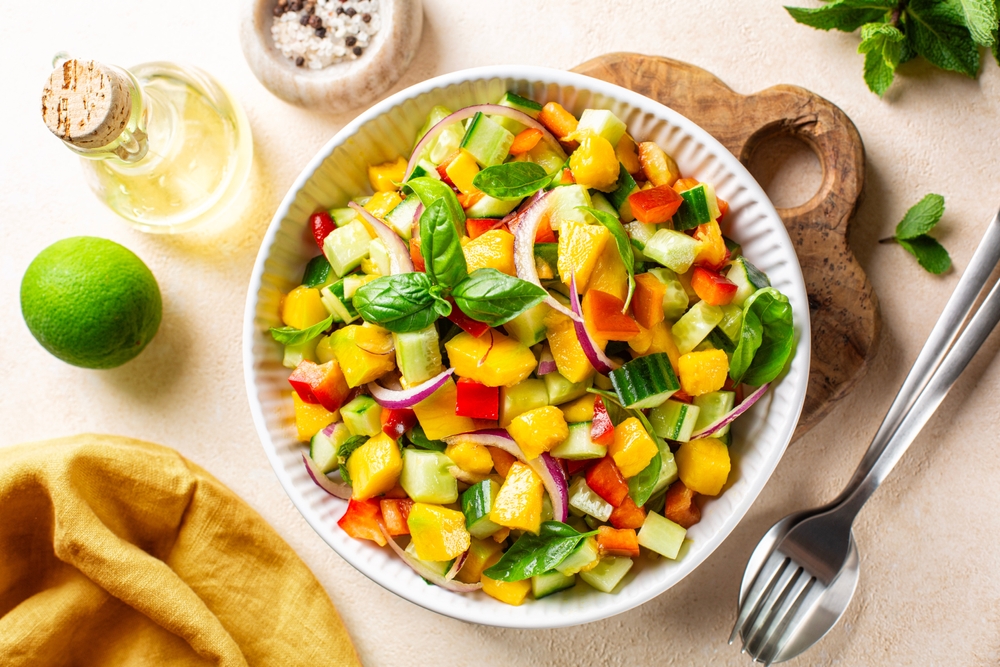
Diets in the Blue Zones consist largely of plant-based foods.
Vegetables, legumes and whole grains play a central role in the dietary patterns researchers have studied.
Sweets are saved for special occasions
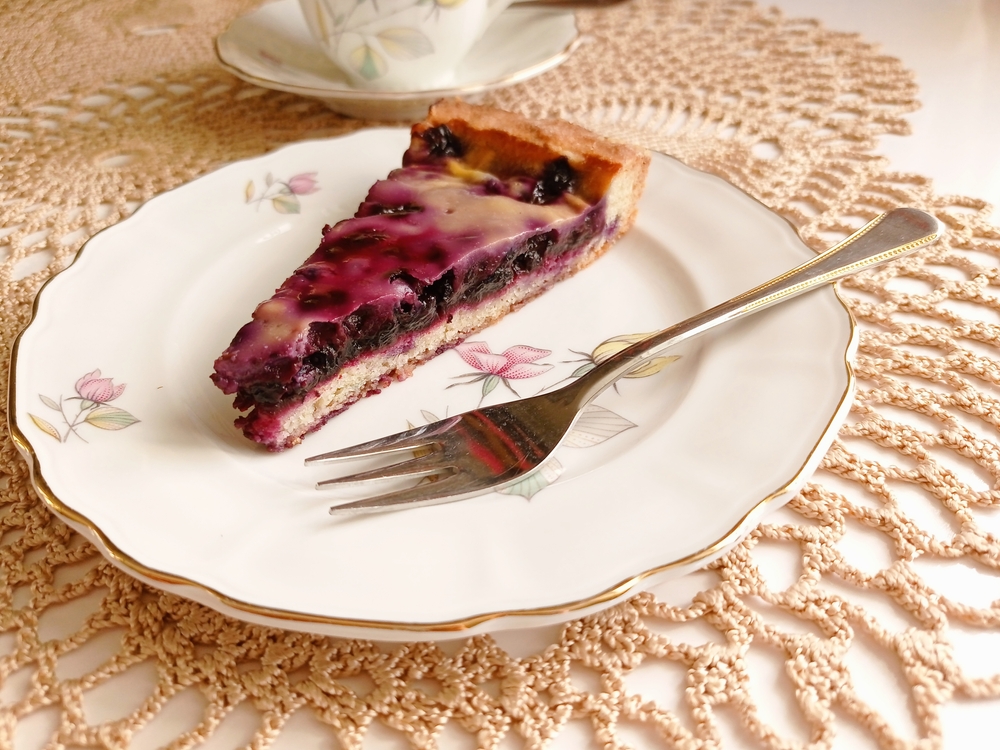
Many people who live to a very old age limit their consumption of sweets.
According to Amy Davis, it is common for them to save sweet treats for special events and celebrations.
Alcohol is consumed in moderation

Moderate alcohol consumption is another common characteristic experts have observed among people who live exceptionally long lives.
It forms part of their overall lifestyle alongside other dietary habits.
A positive outlook

Diet is not the only factor associated with a long life.
According to experts, many centenarians maintain a positive outlook on everyday life and focus on their loved ones rather than problems beyond their control.
Exercise and social connections

Regular physical activity, strong social relationships and avoiding smoking are also among the factors experts highlight as contributing to a long and healthy life.
This article is made and published by Ida-Marie Palm Varbæk, who may have used AI in the preparation.