
Epilepsy can develop for many different reasons. In some people, the exact cause is unknown, but in others, the root of the condition can be traced.
These are the most frequent causes identified by doctors and researchers.
Genetic factors

Epilepsy can run in families, and certain genetic changes may increase the risk. In some cases, genetic epilepsy occurs without any hereditary link.
Head trauma

A brain injury caused by a car accident, fall, or blow to the head can disrupt brain activity and trigger epilepsy — sometimes years after the event.
Brain tumors
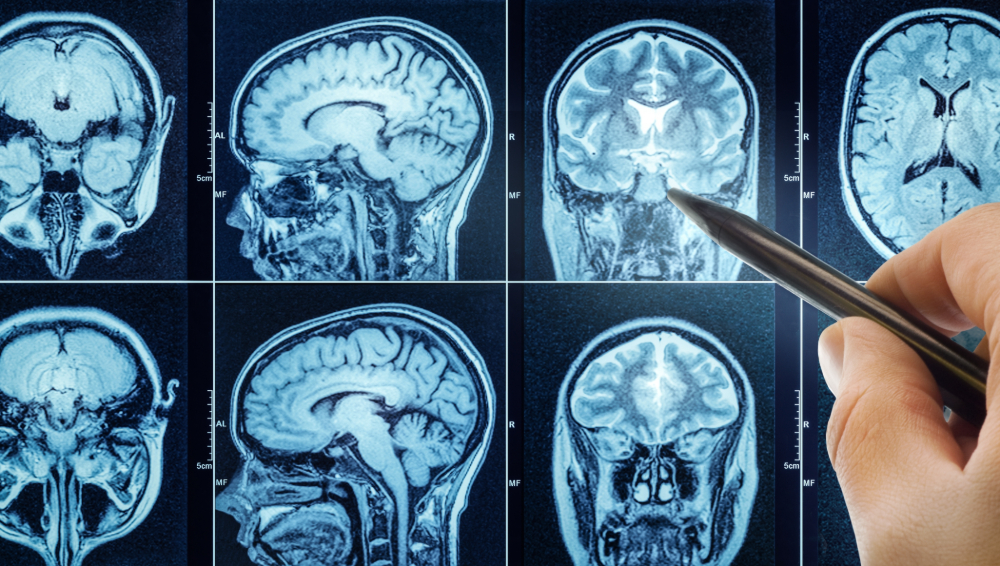
Tumors and abnormal growths in the brain can interfere with the electrical signals, leading to seizures.
Blood vessel abnormalities

Some people have malformed blood vessels in the brain, such as arteriovenous malformations, which can be a direct cause of seizures.
Infections in the brain

Serious infections like meningitis, encephalitis, and HIV can cause lasting damage to brain tissue, increasing the risk of epilepsy.
Prenatal injuries

A baby’s brain can be damaged before birth due to infection, poor nutrition, or lack of oxygen — all of which may lead to epilepsy or developmental conditions.
Stroke

In adults over the age of 35, stroke is one of the leading causes of epilepsy due to the damage it causes to brain tissue.
Dementia

Degenerative diseases such as Alzheimer’s can increase the likelihood of seizures in older adults.
Developmental disorders

Conditions like autism and ADHD often co-exist with epilepsy, and researchers believe shared genetic factors may be involved.
Unknown causes

In nearly half of all cases, no clear reason for the epilepsy can be identified. These cases are known as idiopathic epilepsy.
This article is based on information from Mayo Clinic.
This article is made and published by Ida-Marie Palm Varbæk, who may have used AI in the preparation.