
Beetroot is often described as a superfood and has become a regular ingredient in juices, salads and baked dishes. Its rich nutrient profile makes it a popular choice for health conscious consumers. However, excessive intake can lead to unwanted effects.
How beetroot supports health

According to the US Department of Agriculture Agricultural Research Service, beetroot contains proteins, carbohydrates, fats, amino acids, fatty acids, phytosterols, minerals and fiber per 100 grams. It also provides phytonutrients such as phenolic compounds and betalains, which have been associated with reduced risk of certain cancers and cardiovascular and cerebrovascular diseases.
Recommended intake

Research published in the NFS Journal found that consuming 150 grams of whole beetroot every second day helped reduce systolic blood pressure. A 2022 meta analysis reported that 250 ml of beetroot juice daily produced optimal results.
Beeturia

High consumption may cause urine or stool to turn pink or red due to the pigment betacyanin.
Also read: Spain introduces new treatment for genetic ALS
Kidney stones

Beetroot contains oxalates which, in large amounts, can bind with calcium and increase the likelihood of kidney stone formation.
Digestive issues

Its high fiber content can lead to bloating, stomach cramps and diarrhea if consumed in excess.
Low blood pressure

The nitrates in beetroot help improve blood flow, but too much may result in hypotension, causing dizziness or fainting.
Hypervitaminosis A

Beetroot is rich in beta carotene, which converts into vitamin A. Excessive intake may contribute to vitamin A toxicity with symptoms such as nausea, headaches and joint pain.
Also read: Declining birth rates may affect the risk of ovarian cancer
Anaphylaxis

Large quantities may trigger allergic reactions including throat tightness, swelling or itching in sensitive individuals.
Liver strain
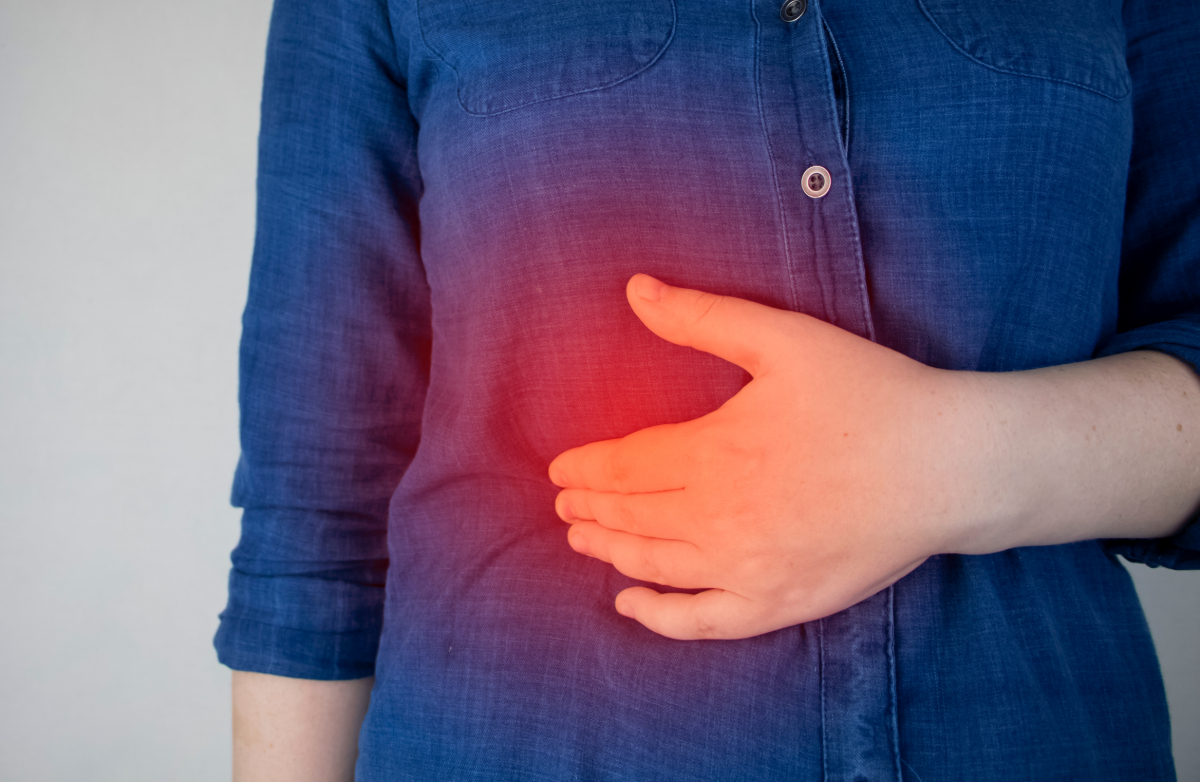
Overconsumption may burden the liver and contribute to the buildup of minerals such as copper and iron as well as betaine.
Methemoglobinemia

The high nitrate content may pose risks for pregnant women and has been associated with fatigue, headaches and dizziness.
Hyperglycemia

With a glycemic index of 64, large amounts consumed in a short period may elevate blood sugar levels, particularly in those already managing blood sugar with medication.
Also read: Why your urine may smell like popcorn - and when to be concerned
Moderation matters

Like many nutrient rich foods, beetroot offers benefits when eaten in appropriate amounts, but balance remains essential.
Sources: Times of India
Also read: Trying to improve your gut? Start with fiber variety