
Gray hair isn’t just about getting older – it reveals much more about your body, your genetics, and even your immune system.
Dive into these surprising and eye-opening facts about why hair loses its color, and how science may one day bring it back.
Gray hair is full of air
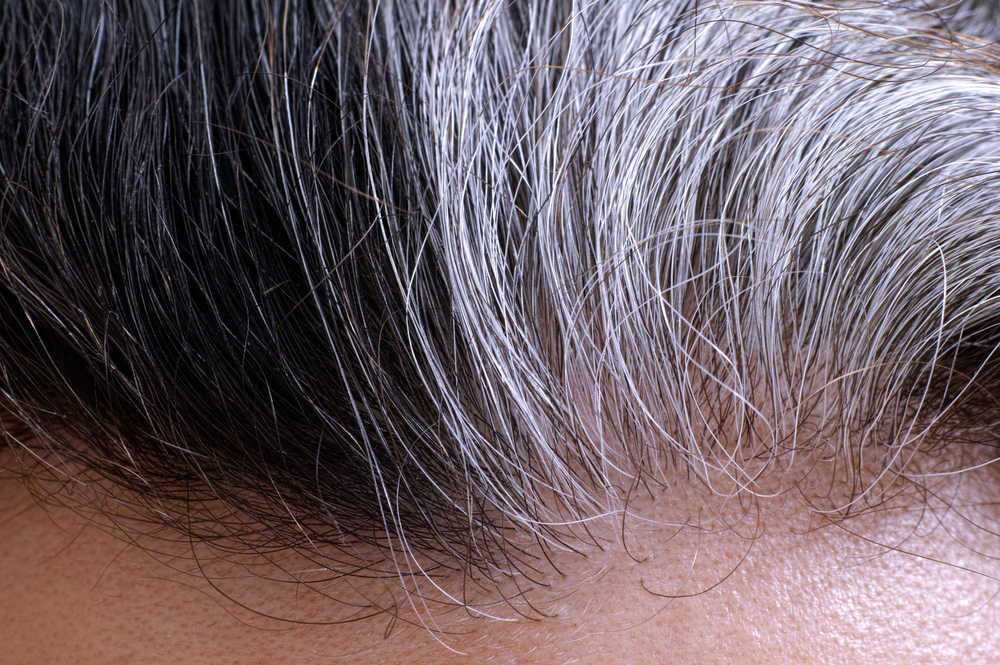
When hair loses its pigment, it’s not just the color that’s gone – it’s actually filled with tiny air bubbles.
These bubbles make each hair strand semi-transparent, which our eyes perceive as gray, silver, or white.
Melanocytes are the pigment factories
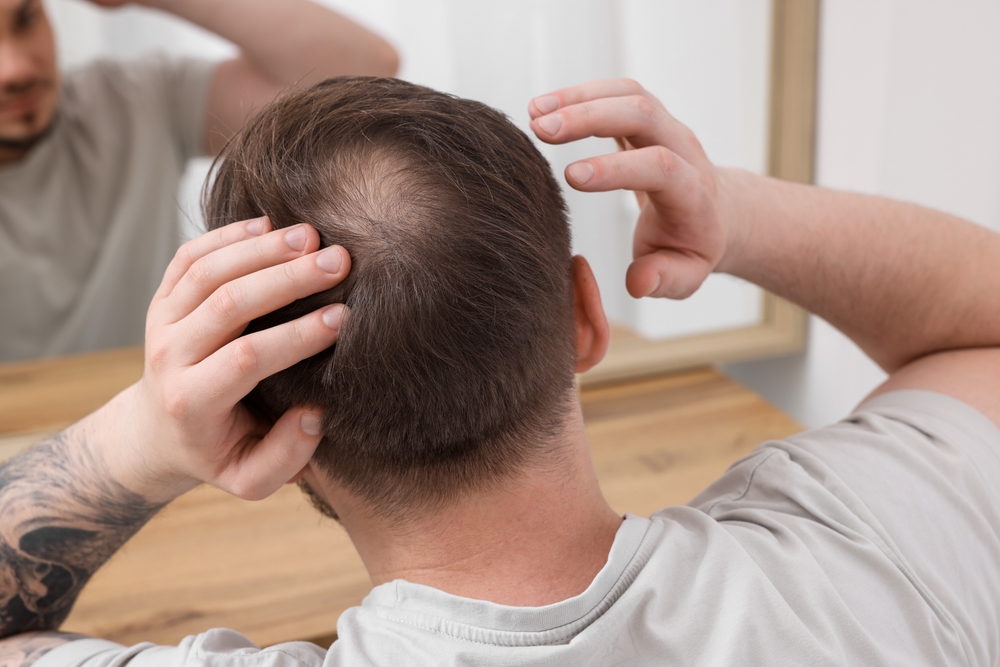
Tiny cells called melanocytes are responsible for producing melanin, the pigment that gives hair its color.
When these cells slow down or die off, pigment production stops, and hair grows out gray.
Hair grows in a strict cycle

Each hair goes through a four-phase growth cycle: anagen (growth), catagen (transition), telogen (rest), and exogen (shedding).
It’s during the growth phase that melanocytes inject pigment into the hair. If they’re not active, new hair comes out colorless.
Genetics play a massive role

Whether you gray early or late is largely written in your DNA.
In fact, up to 99% of your hair color is genetically determined – so you can thank (or blame) your family for those early silver streaks.
Ethnicity influences when you turn gray
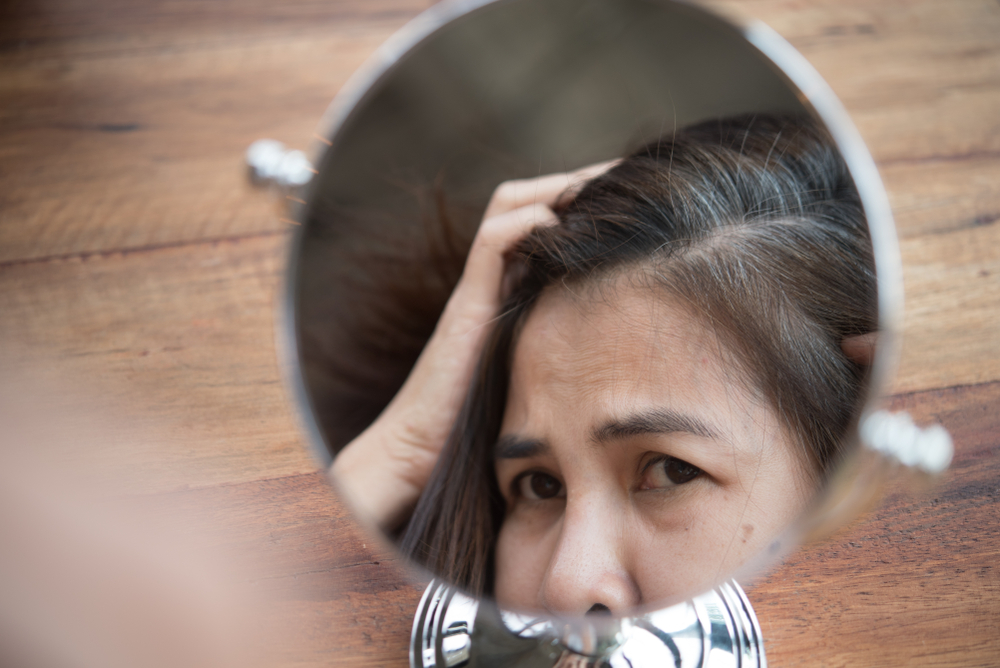
White people tend to go gray up to a decade earlier than Black individuals, with Asian people typically somewhere in between.
Your ethnic background significantly impacts when your hair starts losing pigment.
Lifestyle choices can accelerate graying

Smoking, UV exposure, air pollution, poor nutrition, and heavy drinking are all linked to earlier graying.
So yes, your lifestyle choices might be pushing your hair toward silver faster than nature intended.
Stress can make gray hair more noticeable

While stress doesn’t literally “turn your hair gray overnight”, it can cause hair loss.
As more pigmented hairs fall out, the remaining grays become more visible, giving the illusion of rapid graying.
Gray hair is judged differently based on gender

Men with gray hair are often seen as wise and distinguished (hello, George Clooney), while women face pressure to dye and hide their grays.
Women still spend time and money on appearance
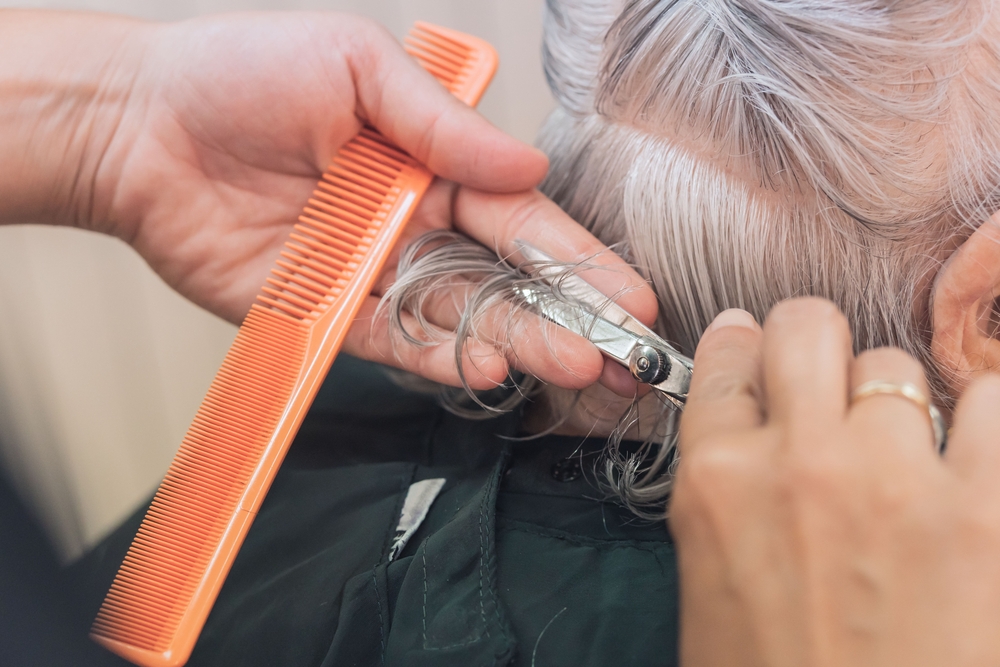
Even when women embrace their natural grays, they often invest just as much energy in styling, makeup, and clothing to appear polished.
Letting hair go gray doesn’t mean letting yourself go – it just means a shift in how you present yourself.
Scientists may soon reverse the graying process

Researchers are actively exploring how to reactivate the pigment-producing stem cells in hair follicles.
A protein called PD-L1 could be key to switching melanin production back on – meaning the return of your natural hair color may one day be possible.
This article is based on information from National Geographic.
This article is made and published by Ida-Marie Palm Varbæk, who may have used AI in the preparation.