
We all have gas in our stomachs and pass it several times a day. But sometimes the smell is far worse than usual.
This is mainly due to bacteria in the intestines and the food we choose to eat.
Why we fart

Farts are called flatulence and occur because gas forms in the intestines.
Every day, the intestines produce between 500 and 2,000 milliliters of gas, which is released continuously.
Also read: These diets are linked to longer life, major study finds
What intestinal gas consists of

Intestinal gas contains methane, nitrogen, and carbon dioxide, among other substances. Most of it is odorless, but a small portion can have a very strong odor.
The one percent that smells

Ninety-nine percent of the gas we release is odorless. It is the remaining one percent that can be particularly foul-smelling.
Sulfur bacteria

Sulfur-producing bacteria in the intestines are responsible for the unpleasant odor. When they break down certain foods, foul-smelling gases are formed.
The importance of gut flora

How much a fart smells does not depend only on food. Some people have a gut flora that makes their gas smell stronger than that of others.
Also read: Long-term reflux may increase the risk of esophageal cancer
Complex carbohydrates produce more gas
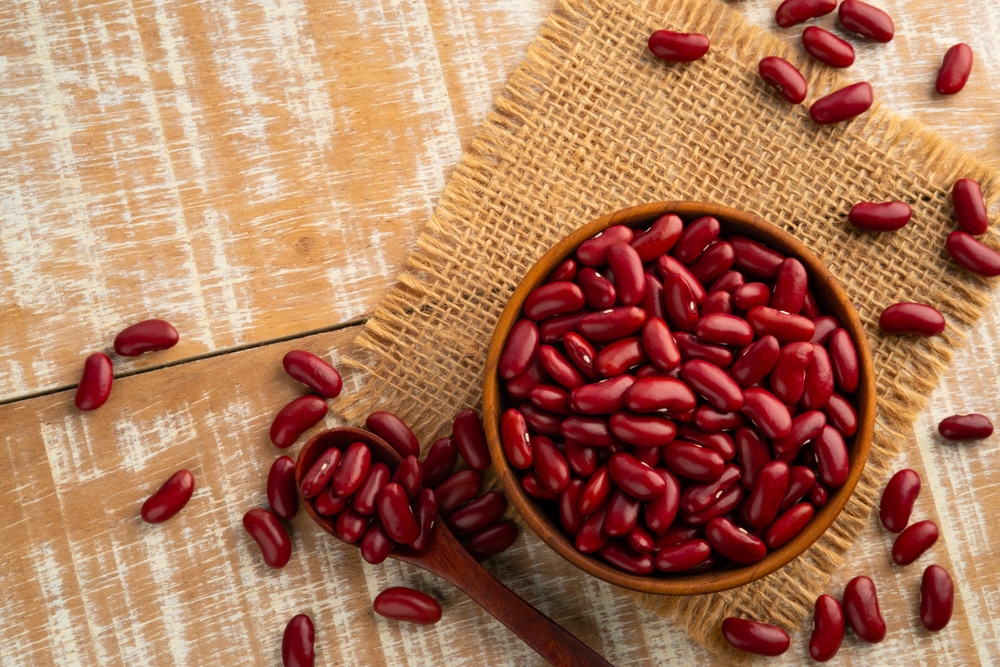
Foods containing complex carbohydrates, such as beans, whole grains, asparagus, broccoli, Brussels sprouts, and cabbage, can cause extra gas because they are harder to digest.
Sulfur-rich foods worsen the smell
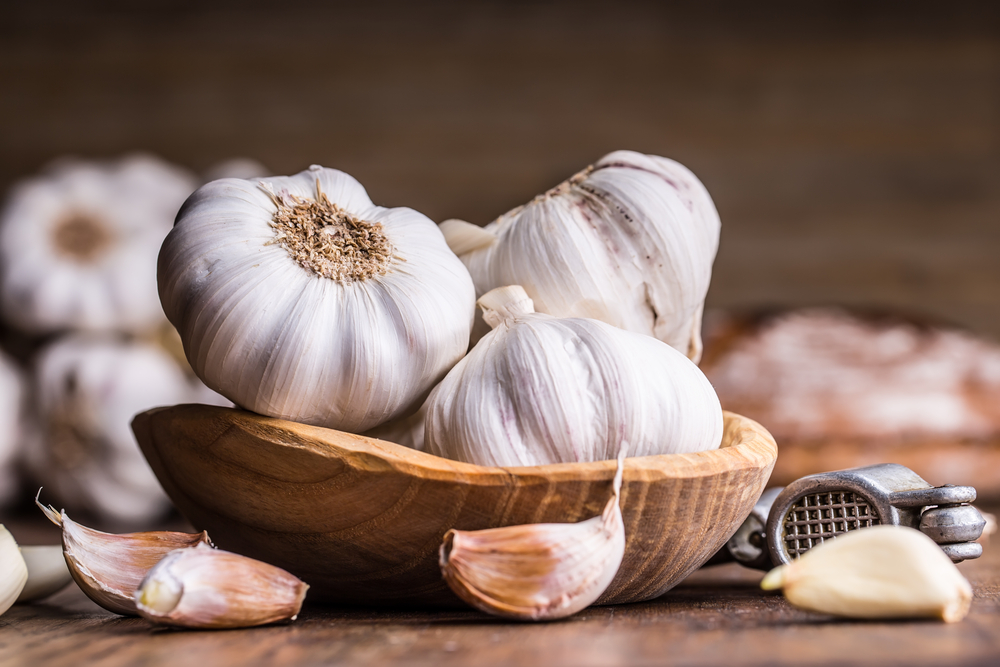
Foods high in sulfur, such as garlic, onions, cauliflower, and broccoli, can lead to more frequent and more foul-smelling farts.
Wine and beer also contain a significant amount of sulfur.
Artificial sweeteners can cause gas
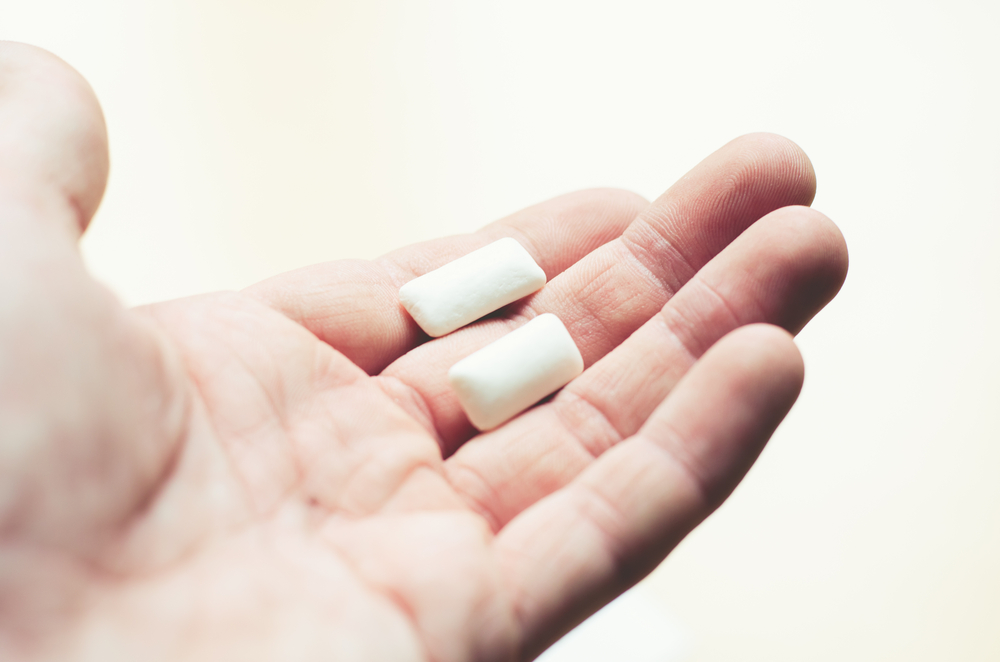
Sweeteners such as sorbitol and mannitol, found in sugar-free products, chewing gum, and candy, can cause bloating and, in some cases, diarrhea.
Also read: Simple ways nature can boost your mental health
Carbonated drinks increase the amount of gas

Soft drinks and beer add extra air to the stomach and can therefore increase the amount of gas.
Room-temperature water may help

If you want to reduce gas, drinking water at room temperature may help.
Fruits and vegetables low in carbohydrates
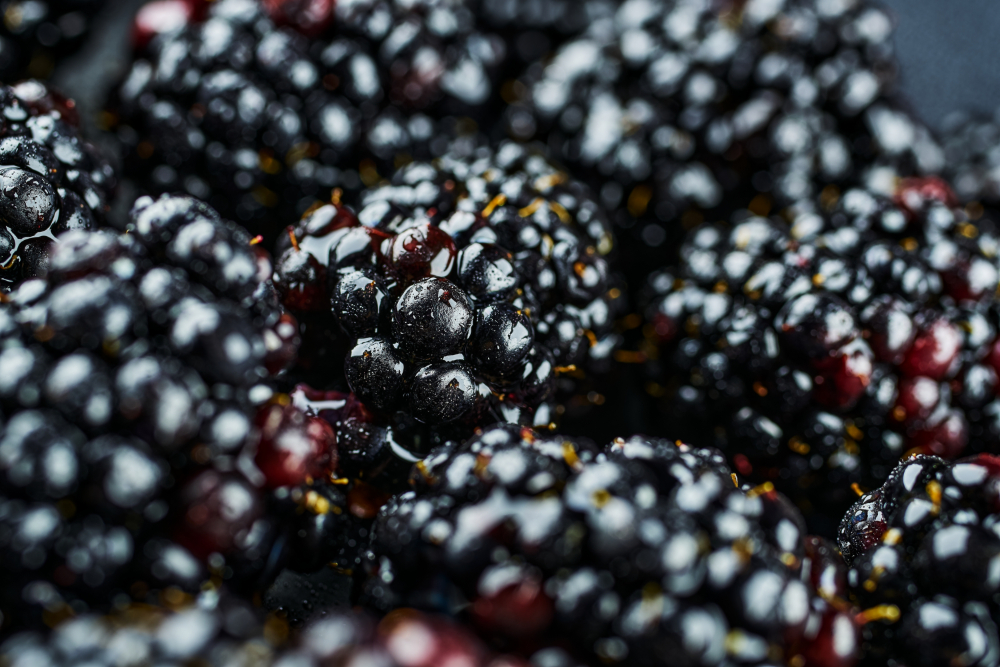
Fruits with a low sugar content, such as apricots, blackberries, blueberries, cranberries, grapefruit, peaches, strawberries, and watermelon, produce less gas.
The same applies to vegetables such as green beans, carrots, okra, tomatoes, and pak choi.
Also read: New blood test may detect cancer before tumors appear on scans
Rice instead of potatoes
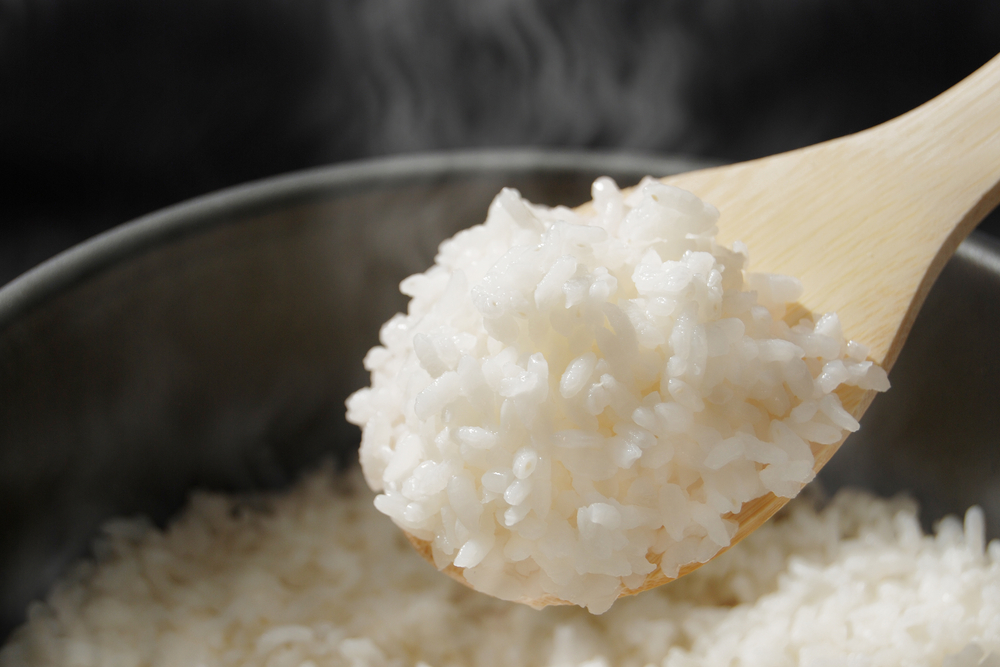
Rice produces less gas than potatoes and can therefore be an alternative if you want to avoid bloating.
Replace soda with water

Choosing water instead of soft drinks and adding lemon or lime instead of drinking juice can reduce the amount of gas in the stomach.
Teas that support digestion

Teas such as chamomile, fennel, peppermint, and turmeric can support digestion and reduce discomfort caused by gas.
Fun facts about farts

We fart more when we sleep than when we are awake. In addition, there is little difference between young and old, or between men and women, when it comes to the amount.
Also read: Health experts warn of nail changes linked to skin cancer
Sources: Netdoktor.