
Even shoes that feel comfortable can quietly throw your body out of alignment.
Here’s what happens inside your body when your shoes don’t support you properly.
Poorly fitting shoes can damage your feet
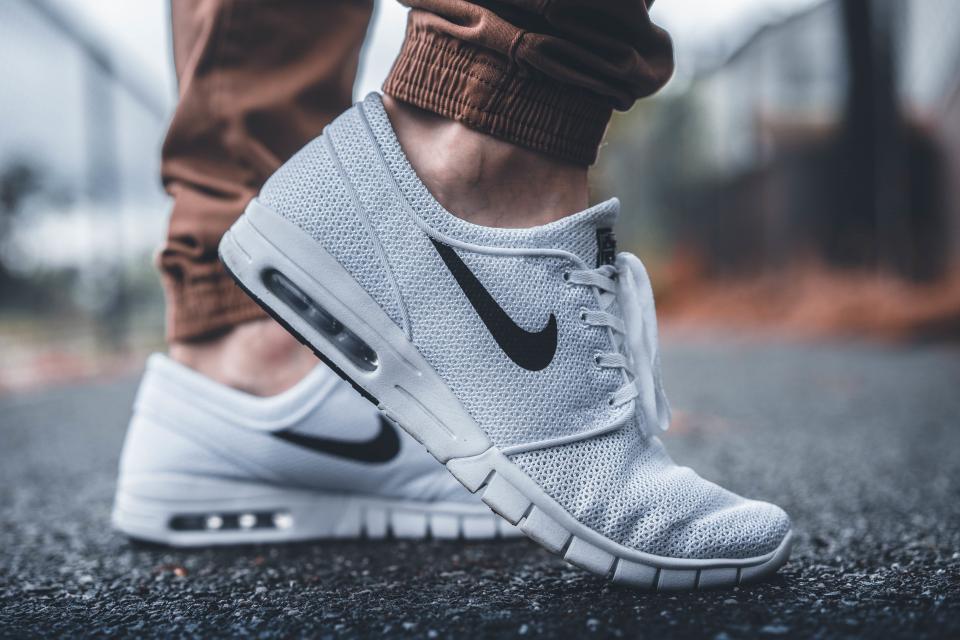
Shoes that are too tight, narrow, or unsupportive often lead to bunions, corns, calluses, and toenail problems.
These small issues can quickly turn into bigger complications since the feet form the foundation of your entire body.
Also read: How to Make Pesto From Almost Anything in Your Fridge
Misalignment spreads through the body
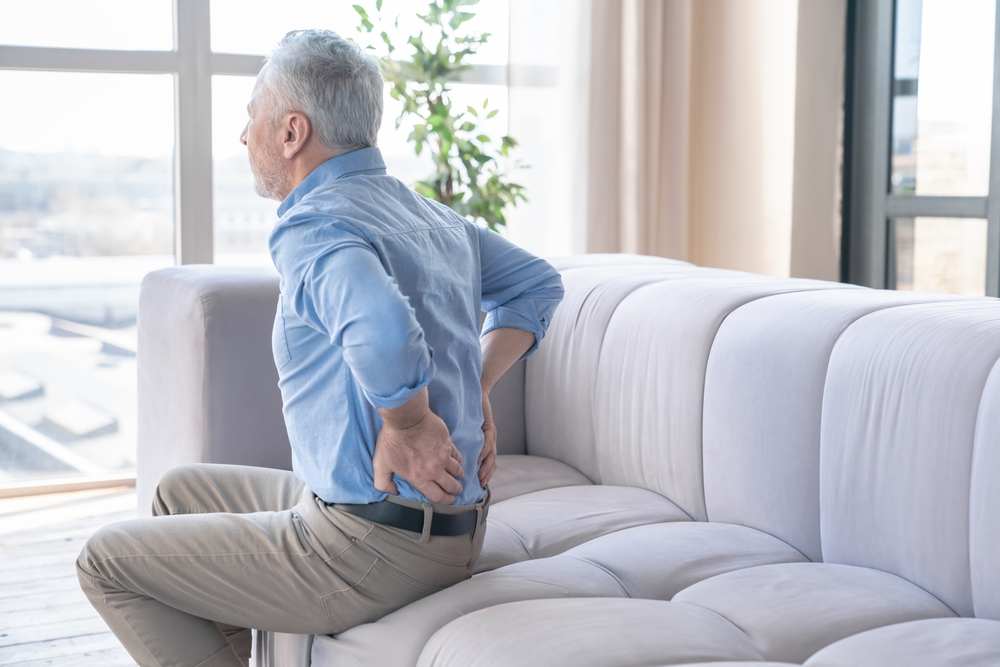
When your shoes fail to support your natural gait, the rest of the body compensates.
This imbalance in posture can create fatigue, joint stress, and long-term pain in the hips, knees, and lower back.
Shortened strides and extra workload
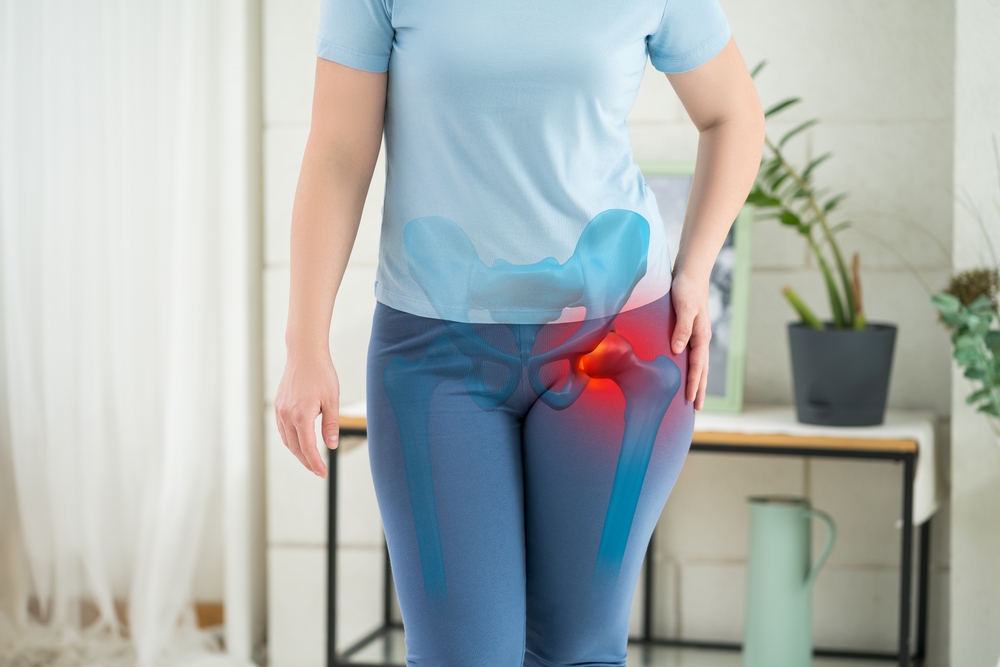
Shoes that squeeze the foot prevent it from moving naturally.
As a result, your steps become shorter, forcing the hips and back to work harder to keep you moving forward.
Also read: These Types of Meat Give You the Most Protein and the Fewest Calories
Flip-flops make your toes claw
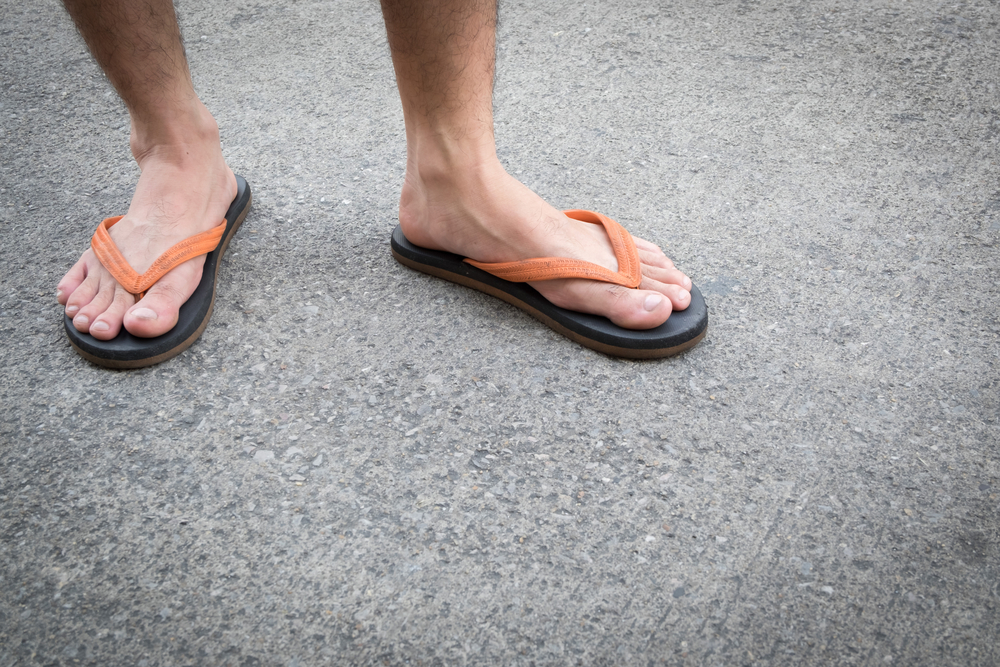
Wearing flip-flops often causes the toes to grip in order to keep the shoe in place.
This unnatural motion prevents the toes from spreading, creates tension in the arches, and can even cause calf pain.
High heels shift your body weight
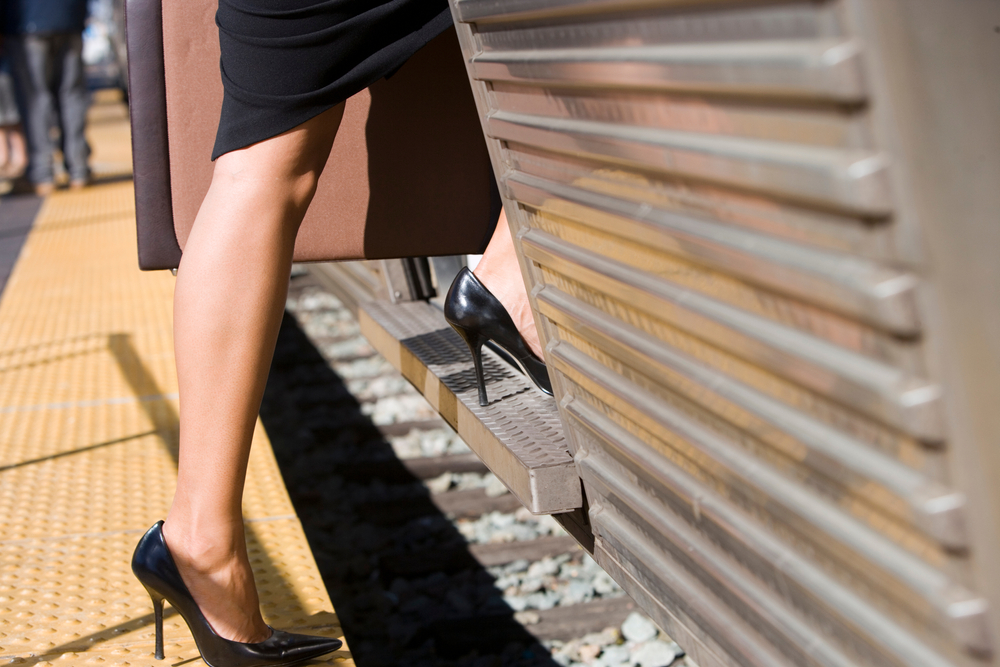
Lifting the heel pushes the body’s weight forward. Over time, this strains the forefoot, stresses the knees, and contributes to lower back pain.
Worn-out shoes reveal hidden problems
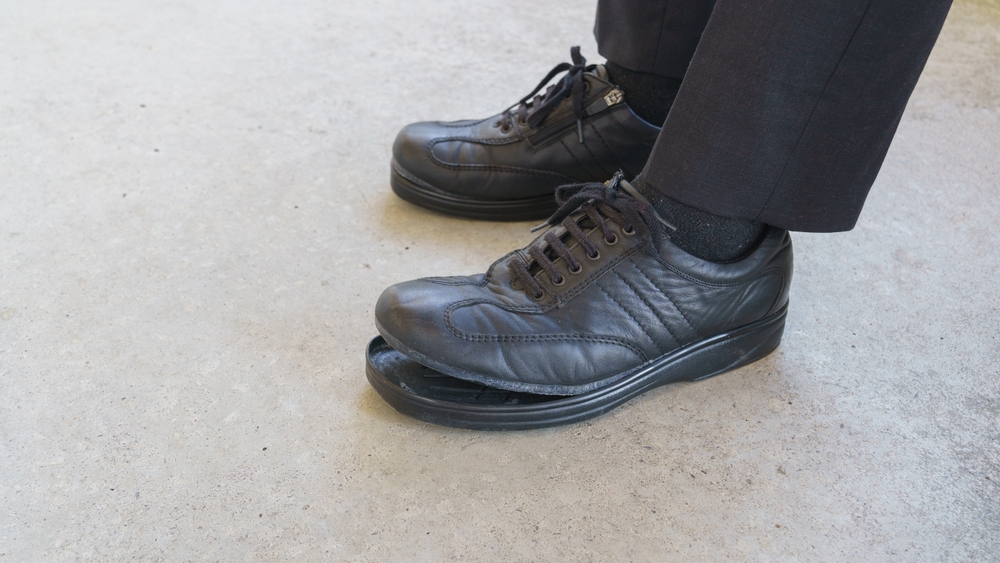
Looking at the wear patterns on your shoes can tell you how you walk.
Also read: Can old meat be eaten if it’s cooked?
Heavy wear on the inside of the shoe or the heel often points to overpronation, which can lead to plantar fasciitis, Achilles tendonitis, inner knee pain, and hip problems.
One bad shoe affects the whole body
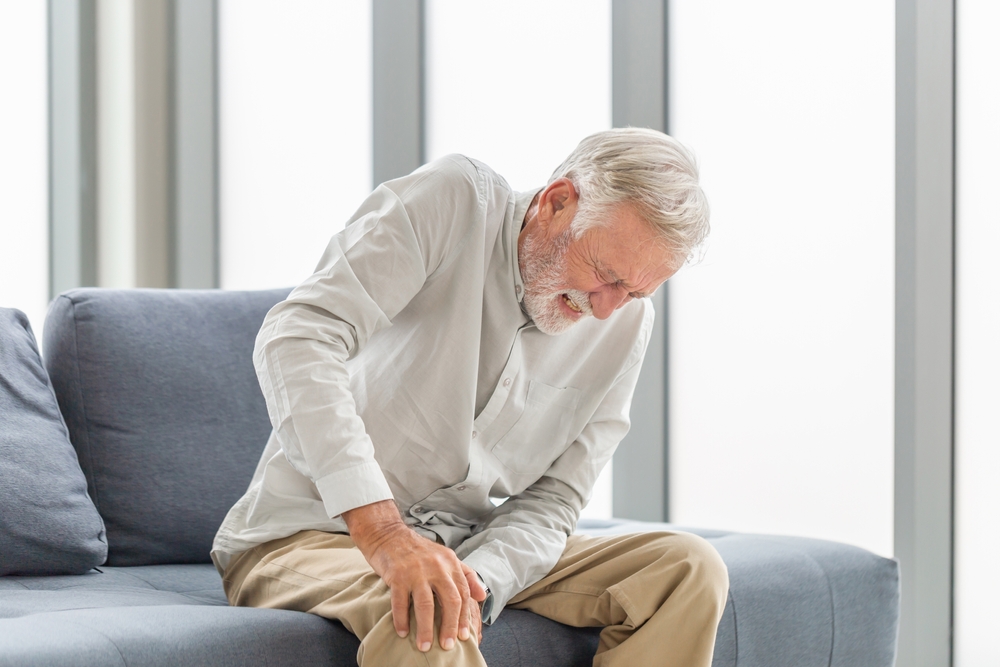
Even if only one shoe feels uncomfortable, your walking pattern can change. Favoring one leg increases strain on the opposite side, leading to knee, hip, and back pain.
Flat shoes without arch support strain the knees
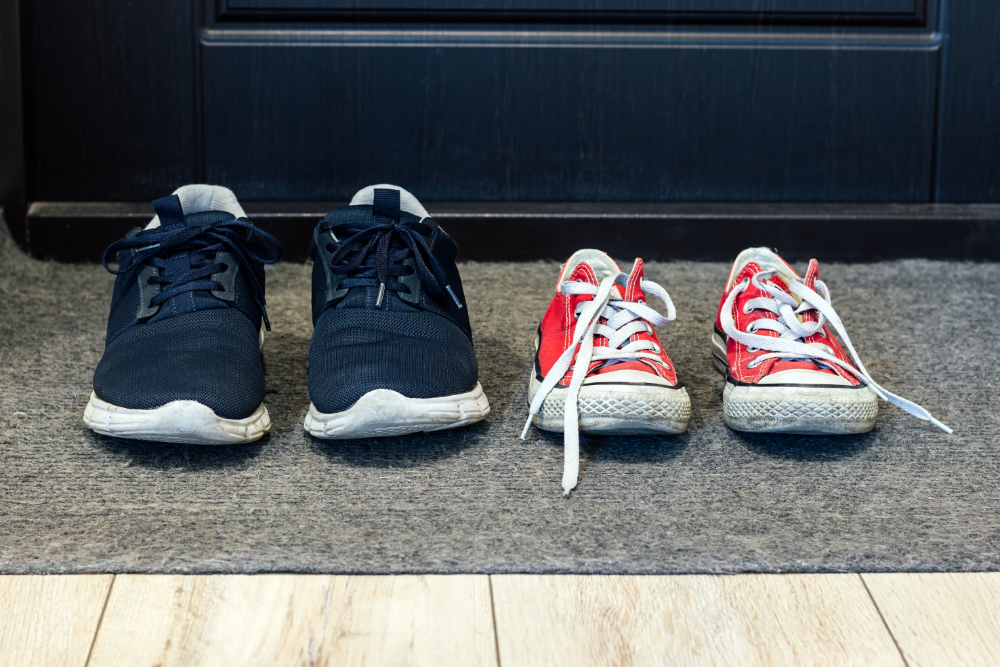
Shoes with flattened cushioning or no arch support cause the foot to roll inward, pulling the knee along with it. This creates inner knee pain and can worsen with time.
Custom orthotics can help
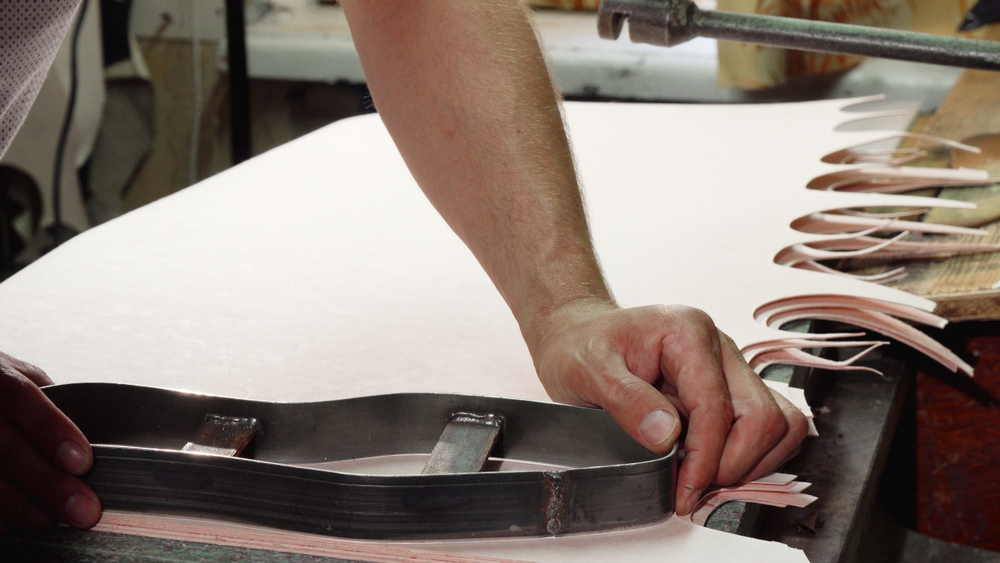
While store-bought inserts may offer some relief, custom orthotics are designed specifically for your feet.
Also read: From Warts to Sore Throats: Natural Tricks That Might Help
They improve alignment, support natural movement, and reduce chronic pain throughout the body.
Finding the right fit matters most
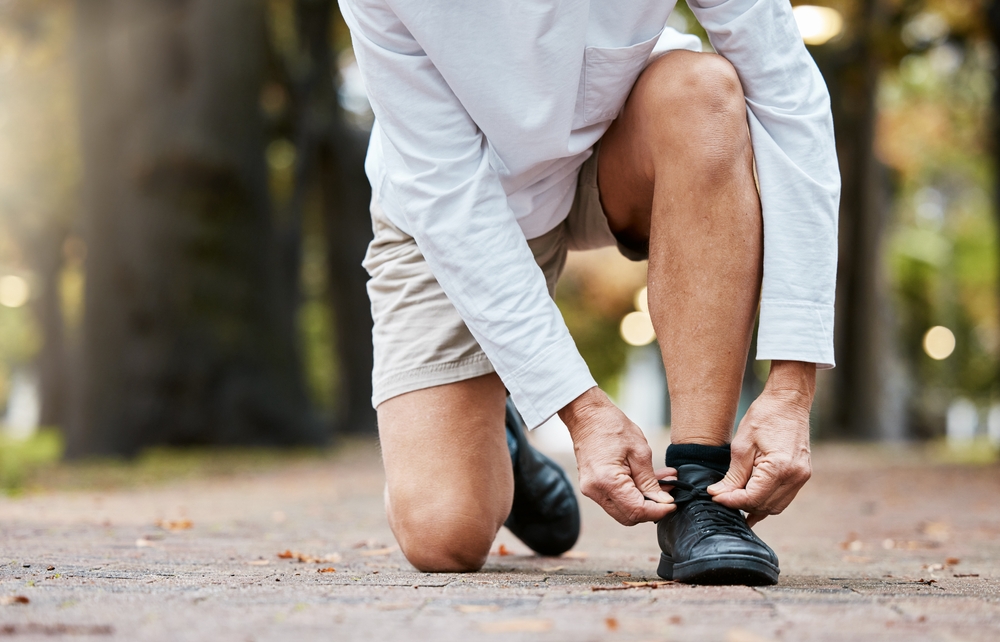
The right shoe depends on your foot shape. Flat feet often need stability shoes, high arches require more cushioning, and wide feet need extra room in the toe box.
Having your feet measured properly in-store can make all the difference.
Shop for shoes later in the day
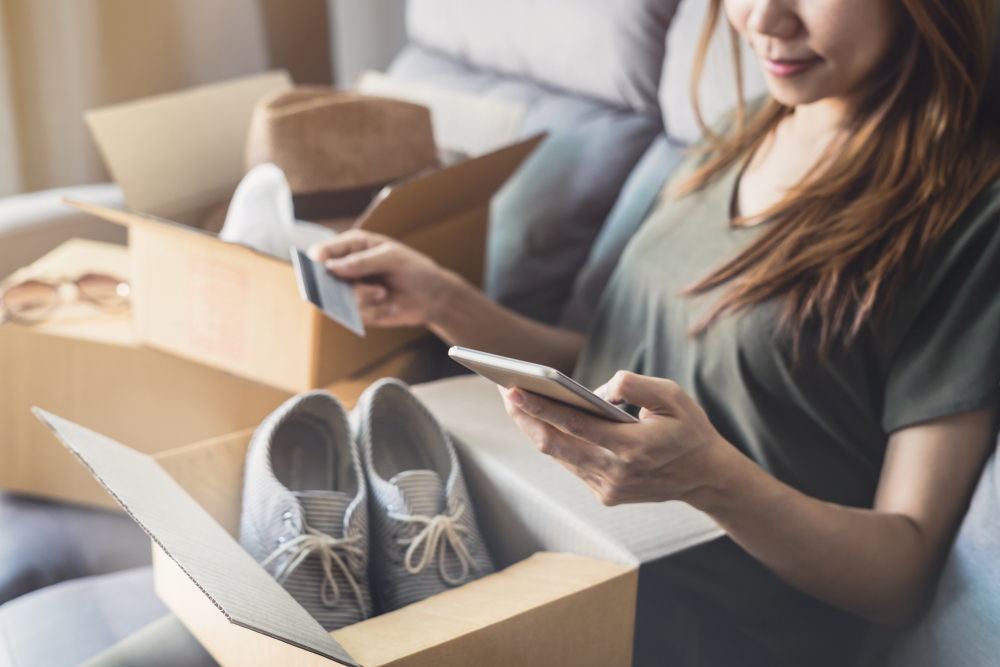
Feet swell as the day goes on. Buying shoes in the evening ensures they fit when your feet are at their largest, giving you the best chance of avoiding painful misfits.
Also read: Experts Explain How Dopamine Can Help You Beat Procrastination
Even the best shoes wear out
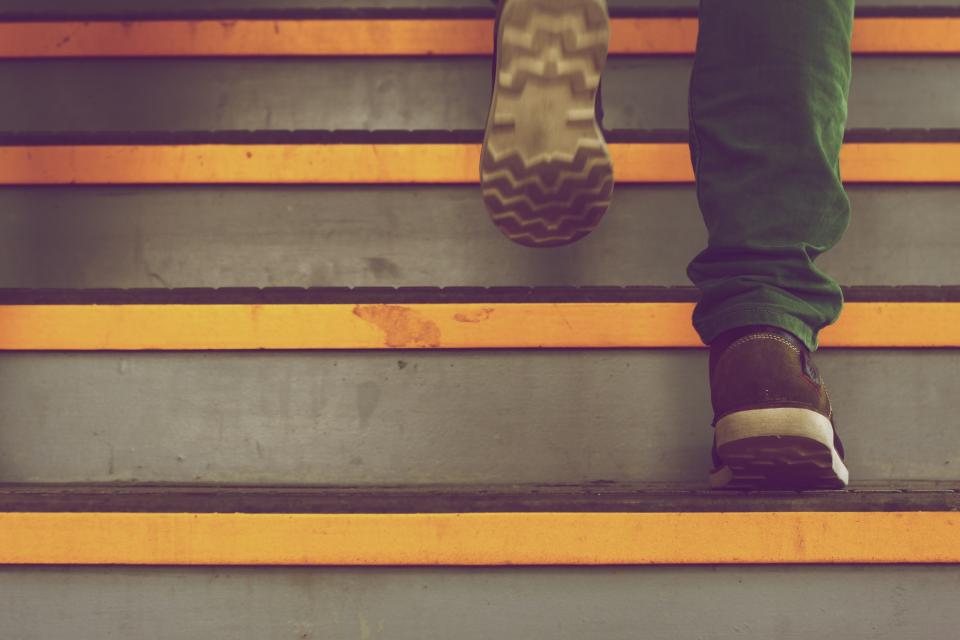
Running shoes typically last 300–500 miles, while everyday sneakers should be replaced once the sole wears down or the support feels flat.
If new aches appear in your feet, ankles, or knees, it’s often a sign that your shoes have reached the end of their lifespan.
This article is based on information from National Geographic.
This article is made and published by Ida-Marie Palm Varbæk, who may have used AI in the preparation.