
Inflammation is a natural immune response, but chronic inflammation can contribute to serious health conditions like heart disease and diabetes.
While some foods help reduce inflammation, others can make it worse.
Here are some common foods that may be fueling inflammation in your body.
Sugary foods and drinks

Consuming high amounts of added sugar, found in soda, candy, and ice cream, can disrupt gut health and increase inflammatory markers.
This can lead to conditions like heart disease, obesity, and fatty liver.
Fast food

Fast food is packed with processed meats, refined grains, and excess salt – ingredients known to trigger inflammation.
High salt intake has been linked to rheumatoid arthritis and artery plaque buildup.
Red and processed meat

Regular consumption of red and processed meats, such as bacon and hot dogs, can increase inflammatory proteins in the body.
These meats may also elevate levels of TMAO, a compound associated with heart disease.
Fried foods
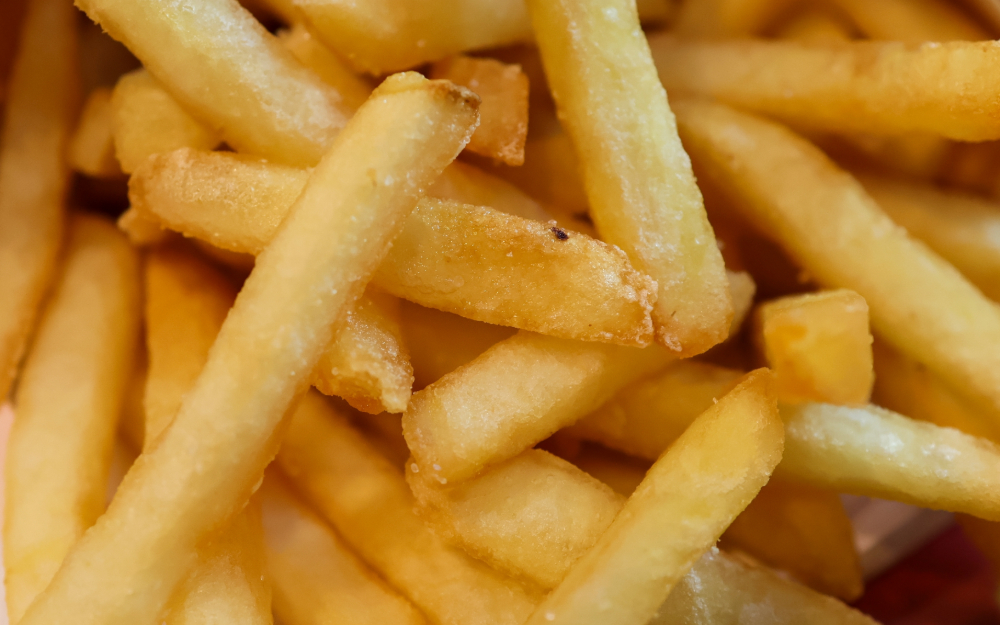
Foods like french fries and fried chicken contain advanced glycation end products (AGEs), which contribute to oxidative stress and inflammation.
High AGEs intake has been linked to diabetes, heart disease, and even accelerated aging.
Packaged and convenience foods

Ultra-processed snacks and frozen meals often contain high amounts of sugar, refined grains, and sodium.
These ingredients can raise levels of C-reactive protein (CRP), an indicator of chronic inflammation in the body.
Foods high in omega-6 fats

While omega-6 fats are essential, too much can disrupt the balance between omega-6 and omega-3 fats, promoting inflammation.
Many processed foods contain oils rich in omega-6, such as soybean and canola oil.
Foods high in added salt

Excess salt intake can negatively impact gut bacteria and increase inflammation in the digestive tract.
High salt diets are linked to inflammatory bowel diseases like Crohn’s disease and ulcerative colitis.
Refined grains

Refined grains, such as white bread and pasta, have been stripped of fiber, which plays a key role in controlling inflammation.
Diets high in refined grains are linked to increased CRP levels, a marker of inflammation.
Artificial sweeteners

Some artificial sweeteners, like aspartame and sucralose, may negatively impact gut bacteria and trigger an inflammatory response.
Animal studies suggest they can reduce beneficial bacteria and promote gut imbalance.
Alcohol

Excessive alcohol consumption can damage tissues, increase free radical formation, and boost inflammatory proteins like TNF-α.
Over time, this can lead to liver damage and chronic inflammation in the body.
This article is based on information from Health.com.
This article is made and published by Ida-Marie Palm Varbæk, who may have used AI in the preparation.