
When the colder months set in and we spend more time indoors, air quality inside our homes becomes increasingly important.
The hidden health risks

Poor indoor air is associated with a higher risk of respiratory infections, chronic lung disease, and even depression.
What affects indoor air quality
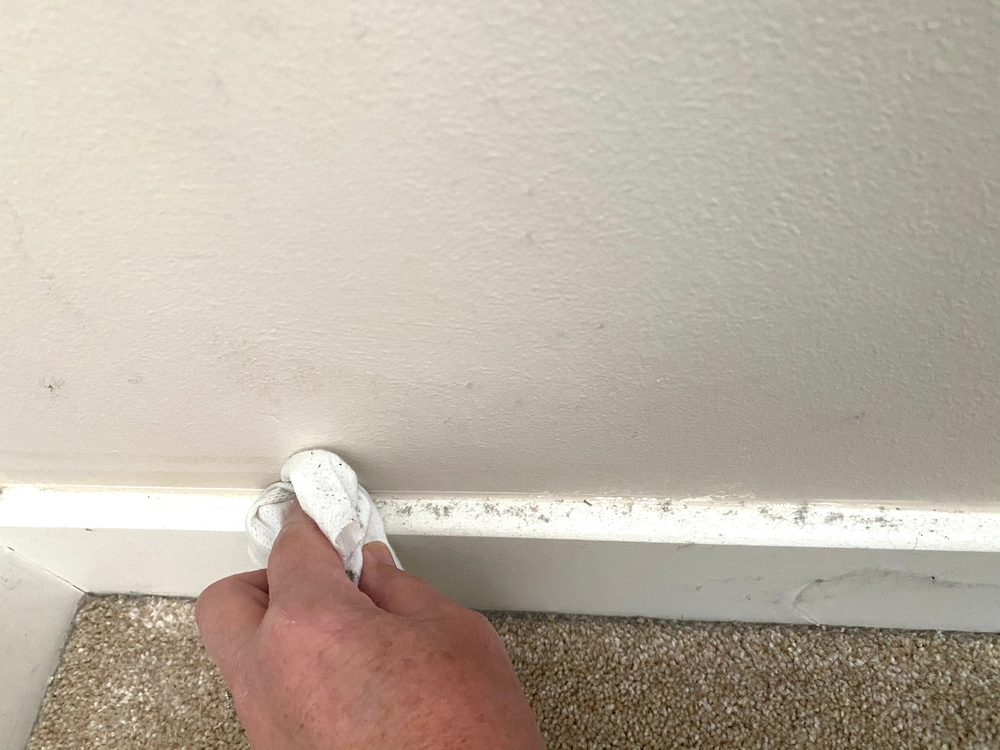
Indoor air is influenced by multiple factors, including tobacco smoke, humidity, gases such as radon, dust, poor temperature control, and airborne particles from candles, cooking, or fireplaces.
Ventilate regularly
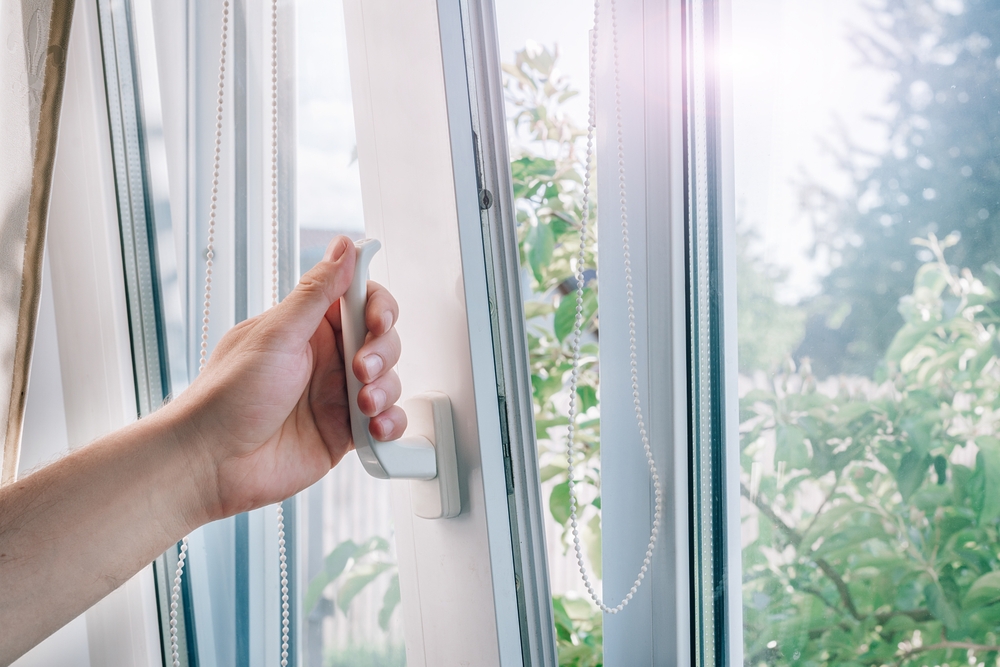
Proper ventilation is the foundation of healthy indoor air.
Also read: The ultimate cleaning checklist for your home year-round
Open your windows for 5–10 minutes, three times a day, to create a full draft. Focus especially on kitchens and bathrooms.
Reduce moisture in your home
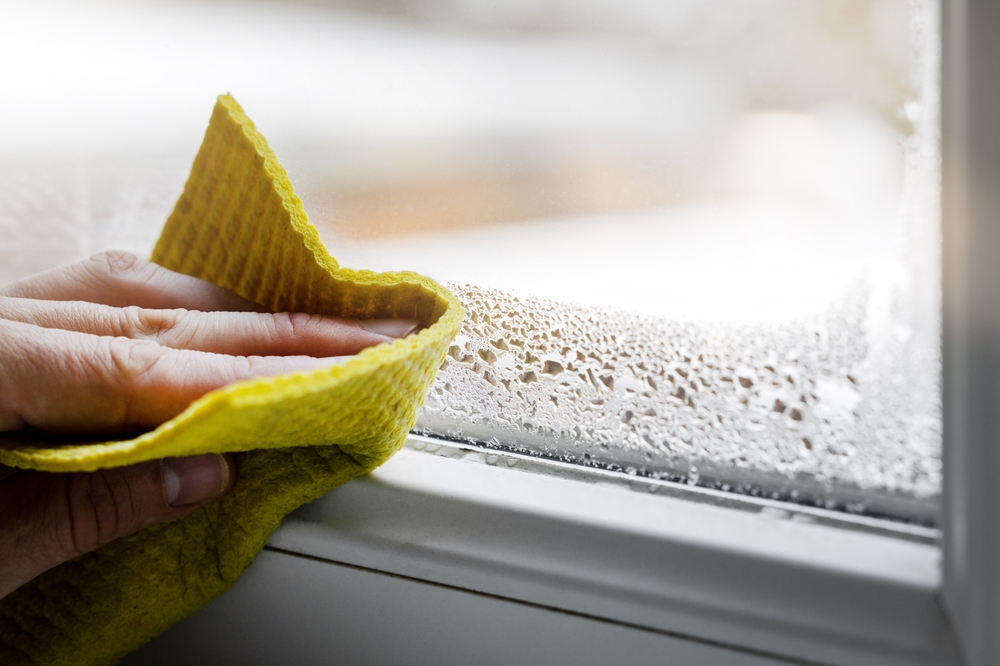
Too much humidity can lead to mold growth and dust mites, which worsen air quality and trigger allergies.
Use a dehumidifier in damp areas and always air out bathrooms and kitchens after use.
Avoid smoking indoors

Tobacco smoke contains numerous toxic substances and quickly deteriorates air quality inside your home.
Also read: Heart attacks are often detected too late in women – here’s why
Use your kitchen hood

Always switch on the extractor fan while cooking and keep lids on pots to prevent moisture and particles from spreading.
Use it even when cooking in the oven, as roasting releases many fine particles.
Let new products air out

New furniture, toys, and household items can emit chemical gases. Leave them outside or in a well-ventilated area before using them indoors.
Clean regularly
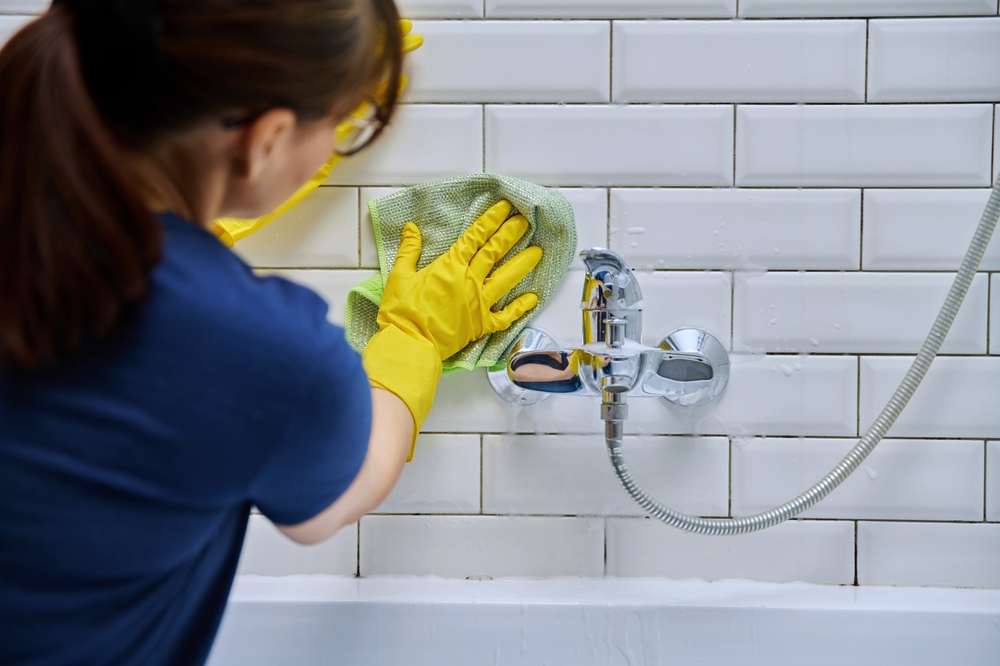
Dust buildup worsens indoor air quality. Regular cleaning with mild, fragrance-free products helps reduce particles and allergens.
Also read: How to use nasal spray correctly when you have a cold
Keep a stable temperature
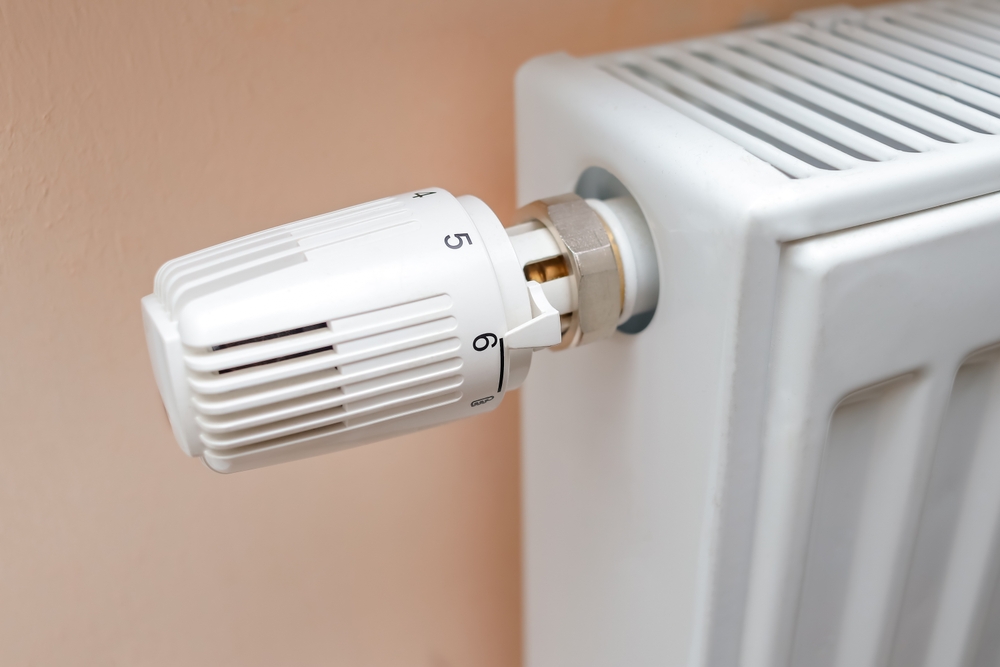
Maintain an indoor temperature between 20 and 22 degrees Celsius (68–72°F).
Temperatures that are too low can lead to dampness and mold, while too high levels waste energy.
Some factors are hard to control

External noise and pollution from traffic or nearby industries may be difficult to avoid, but many indoor factors can be improved with daily habits.
A healthy home supports a healthy life
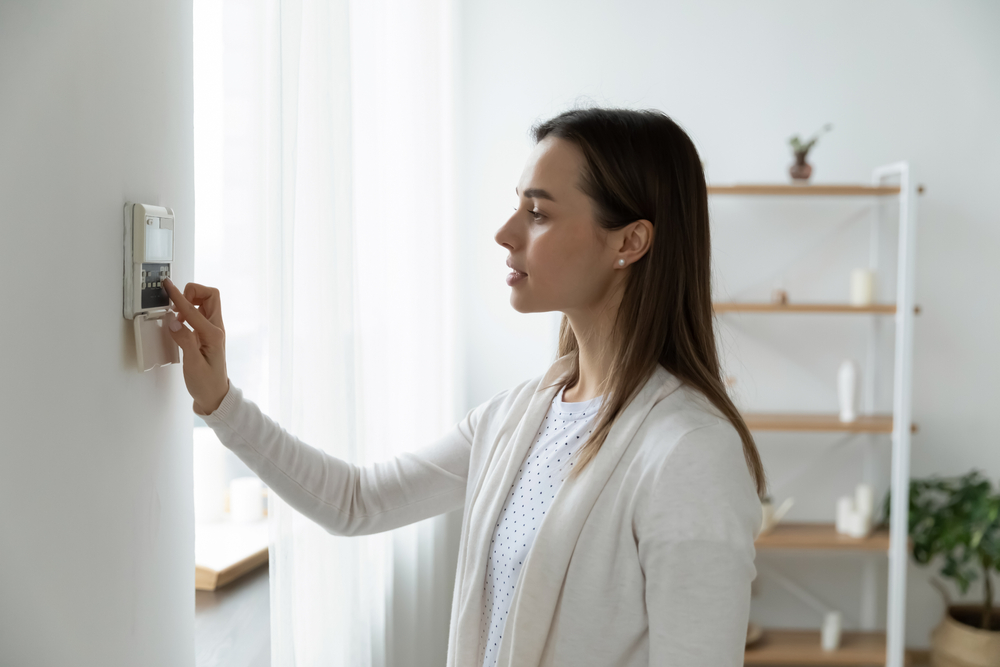
By improving ventilation, cleaning more often, and maintaining a balanced temperature, you can protect your health and create a better living environment.
Also read: This candy could help you feel better when you’re sick with a cold
This article is based on information from Netdoktor.dk.
Also read: Scientists reveal: Can soup really help with colds and flu?
This article is made and published by Ida-Marie Palm Varbæk, who may have used AI in the preparation.