
Your liver plays a vital role in keeping your body healthy by filtering toxins, aiding digestion, and storing energy.
Taking care of it doesn’t have to be complicated – small lifestyle choices can make a big difference.
Here are some key ways to protect your liver and ensure it functions properly.
Limit alcohol consumption

Too much alcohol can damage liver cells and lead to cirrhosis, a serious condition that can be life-threatening.
Stick to moderate drinking – no more than two drinks a day for men and one for women.
Maintain a healthy diet

Eating a balanced diet rich in fruits, vegetables, whole grains, and lean proteins helps prevent fat buildup in the liver.
Avoid processed foods and excess sugar, which can contribute to liver disease.
Exercise regularly

Staying active helps maintain a healthy weight and reduces the risk of metabolic dysfunction-associated steatotic liver disease (MASLD).
Aim for at least 150 minutes of moderate exercise per week.
Be cautious with medications
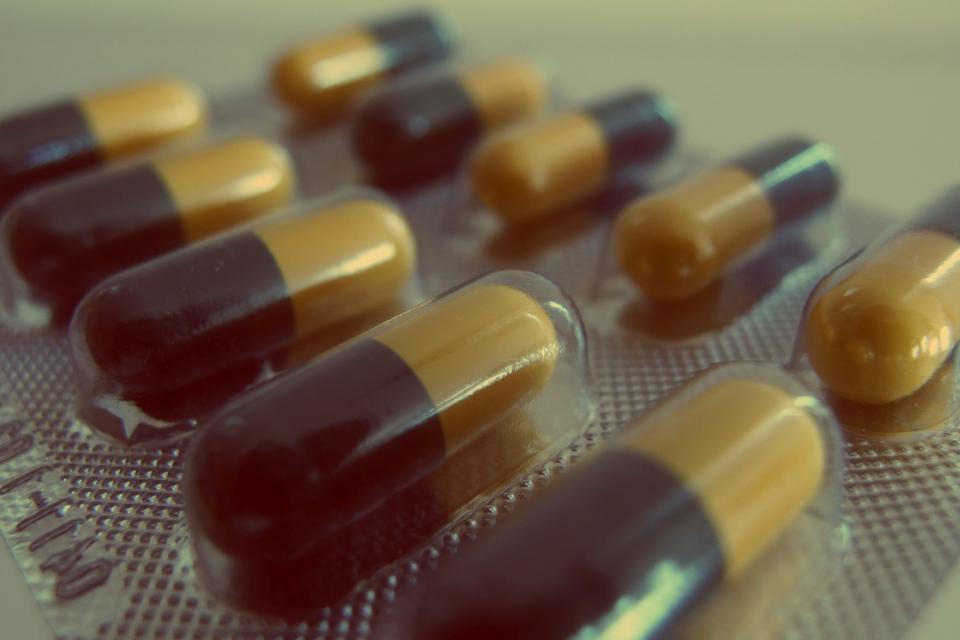
Some medications, including certain cholesterol drugs and the pain reliever acetaminophen (Tylenol), can harm the liver if taken in excessive amounts.
Always follow dosage instructions and consult your doctor if you take multiple medications.
Prevent viral hepatitis
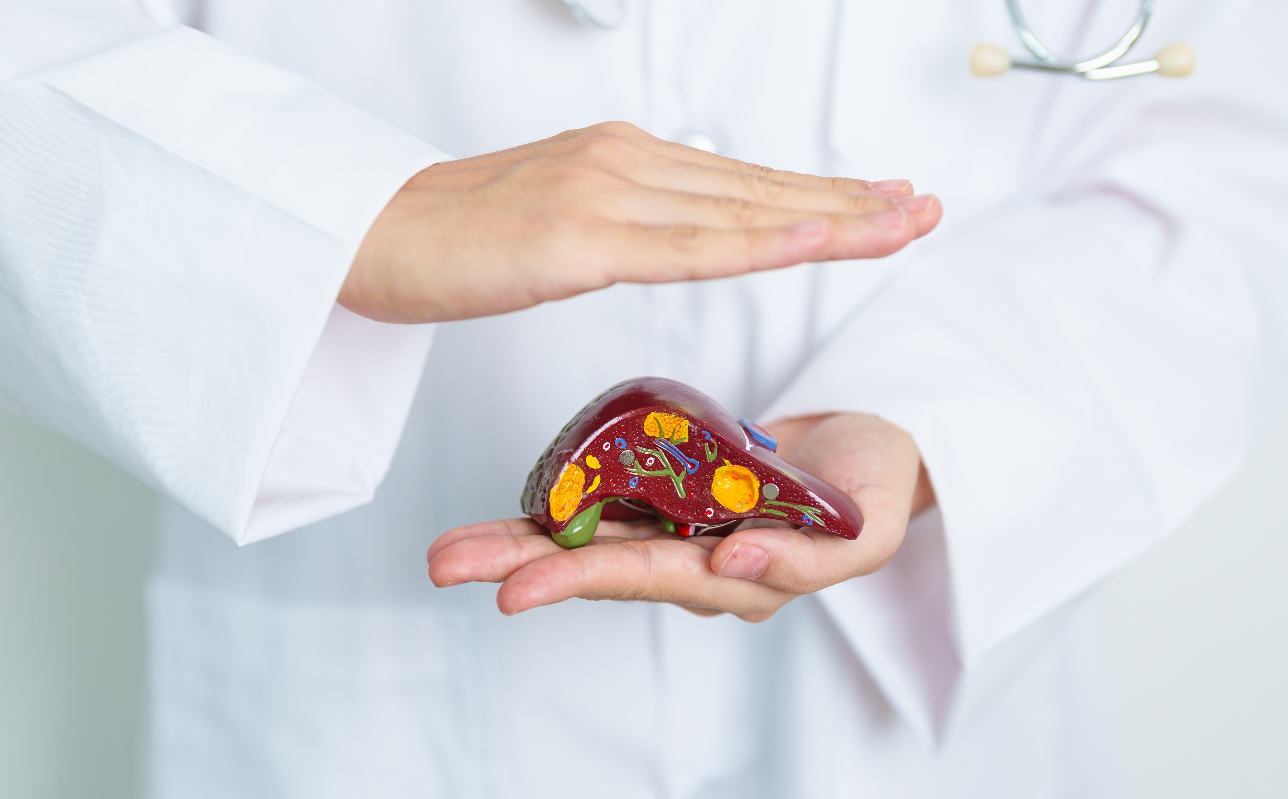
Hepatitis A, B, and C can cause severe liver damage. Get vaccinated for hepatitis A and B if you’re at risk.
To prevent hepatitis C, avoid sharing personal items like razors or needles and practice safe intercourse.
Get tested for hepatitis

Since hepatitis often has no symptoms, many people don’t realize they have it.
The CDC recommends that all adults get tested for hepatitis C at least once in their lives, as well as during pregnancy. High-risk individuals should get tested regularly.
Avoid toxins
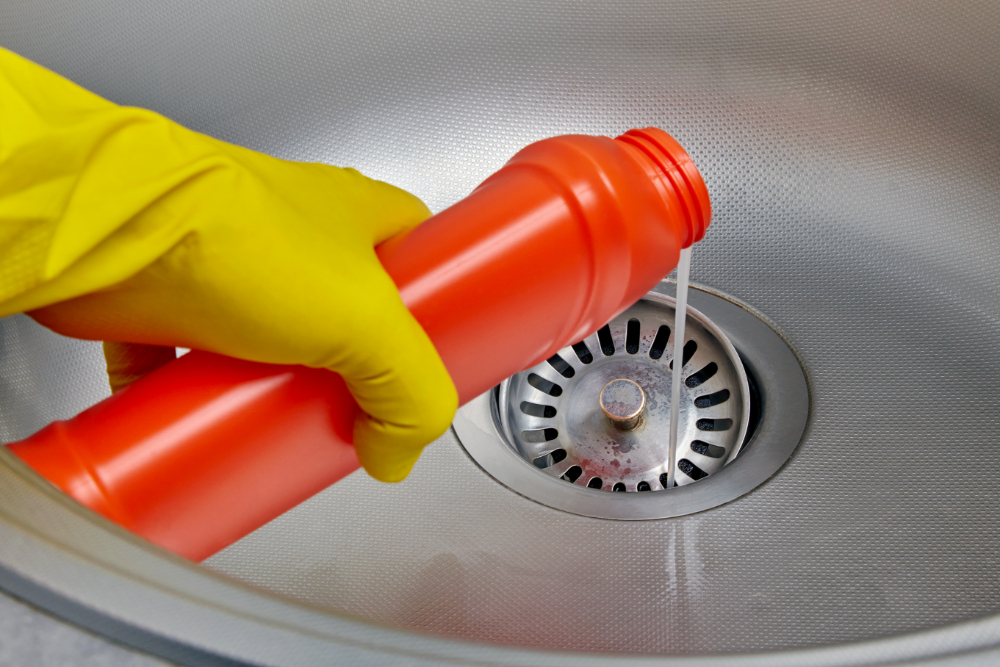
Household chemicals, aerosol sprays, and cigarette smoke contain toxins that can harm the liver.
Use protective gear when handling chemicals and try to minimize exposure to pollutants.
Be mindful of herbal supplements

Certain herbal supplements, such as green tea extract and ginseng, have been linked to liver damage.
Be cautious about products that claim to “cleanse” or “restore” liver health, as many lack scientific backing and can be harmful.
Drink coffee

Studies suggest that drinking coffee may lower the risk of liver disease.
While the exact reason is still unclear, regular coffee consumption has been linked to improved liver health.
Know your liver’s limits

Your liver is resilient, but it can only take so much.
By making healthy lifestyle choices and being aware of potential risks, you can keep your liver functioning properly for years to come.
This article is based on information from WebMD.
This article is made and published by Ida-Marie Palm Varbæk, who may have used AI in the preparation.