
Experts recommend that adults get between seven and nine hours of sleep each night. The right amount of sleep is crucial for maintaining good health and preventing diseases.
The Importance of Sleep for Heart Health

According to an analysis by the National Sleep Foundation in Mexico, individuals who go to bed after midnight have a 12% higher risk of cardiovascular disease compared to those who go to bed at 10 p.m.
When Should Adults Go to Bed?

Experts suggest that adults should go to bed between 10 p.m. and 11 p.m. to achieve the recommended 7-9 hours of sleep. This timeframe minimizes the risk of health problems.
Sleep Recommendations for Babies (0-3 Months)

Babies need 14-17 hours of sleep daily. However, they should not sleep less than 9 hours or more than 19 hours.
Also read: She Was Dead for 11 Minutes – What She Saw Next Will Haunt You
Sleep Recommendations for Infants (4-11 Months)

Infants should sleep 12-15 hours per day. A minimum of 10 hours and a maximum of 18 hours are necessary for optimal growth.
Sleep Recommendations for Toddlers (1-2 Years)
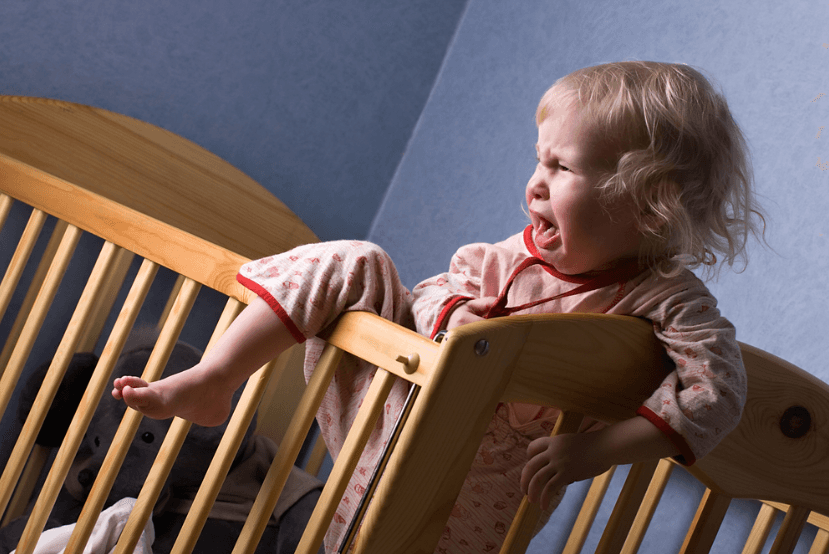
Toddlers should get 11-14 hours of sleep daily. They should not sleep less than 9 hours or more than 16 hours.
Sleep Recommendations for Preschoolers (3-5 Years)

Children in this age group should sleep 10-13 hours daily. A minimum of 8 hours and a maximum of 14 hours are recommended.
Sleep Recommendations for School-Age Children (6-13 Years)

School-age children need 9-11 hours of sleep each night. They should not sleep less than 7 hours or more than 12 hours.
Also read: HIV Drugs Might Fight Alzheimer’s Too
Sleep Recommendations for Teenagers (14-17 Years)

Teenagers should get 8-10 hours of sleep each night. A minimum of 7 hours and a maximum of 11 hours are appropriate for their age.
Sleep Recommendations for Young Adults (18-25 Years)

Young adults should sleep between 7 and 9 hours. At least 6 hours and no more than 11 hours are recommended for this age group.
Sleep Recommendations for Adults (26-64 Years)

Adults in this age range should get 7-9 hours of sleep each night. A minimum of 6 hours and a maximum of 10 hours are appropriate.
Sleep Recommendations for Older Adults (65+ Years)

Older adults should sleep 7-8 hours each night. Sleeping less than 5 hours or more than 9 hours should be avoided to ensure health.
Also read: You’ve Been Boiling Potatoes Wrong Your Whole Life — Here’s the Trick
This article is based on information from Dagens.com.
Also read: Few Know What This Type of Egg Really Does to Your Body
This article is made and published by Mie Hermansen, who may have used AI in the preparation.