
Oysters are more than just a seafood delicacy—they could hold the key to fighting antibiotic-resistant bacteria. Researchers have discovered that proteins in oyster blood might enhance antibiotic treatments by preventing bacteria from forming protective shields.
Oysters: Nature’s Water Filters
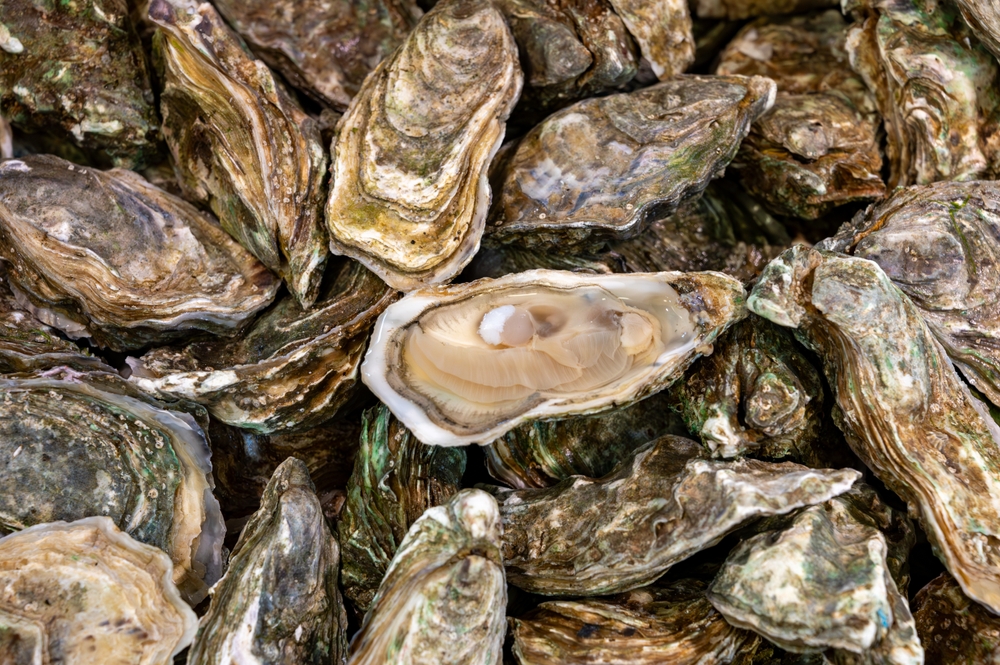
Living in coastal waters, oysters constantly filter bacteria and other microorganisms from their environment. To protect themselves from harmful pathogens, they have developed a unique defense system.
How Oyster Proteins Disrupt Bacteria

Scientists found that certain proteins in oyster hemolymph—their version of blood—can stop bacteria from forming biofilms, the slimy layers that protect them from antibiotics.
Biofilms: The Bacteria’s Defense Mechanism

Bacteria use biofilms to shield themselves from medical treatments, making infections harder to eliminate. Without these layers, bacteria become much more vulnerable.
Could Oysters Make Antibiotics More Effective?

By preventing biofilm formation, oyster proteins could help existing antibiotics work better, reducing the risk of antibiotic resistance.
Early Lab Results Are Promising
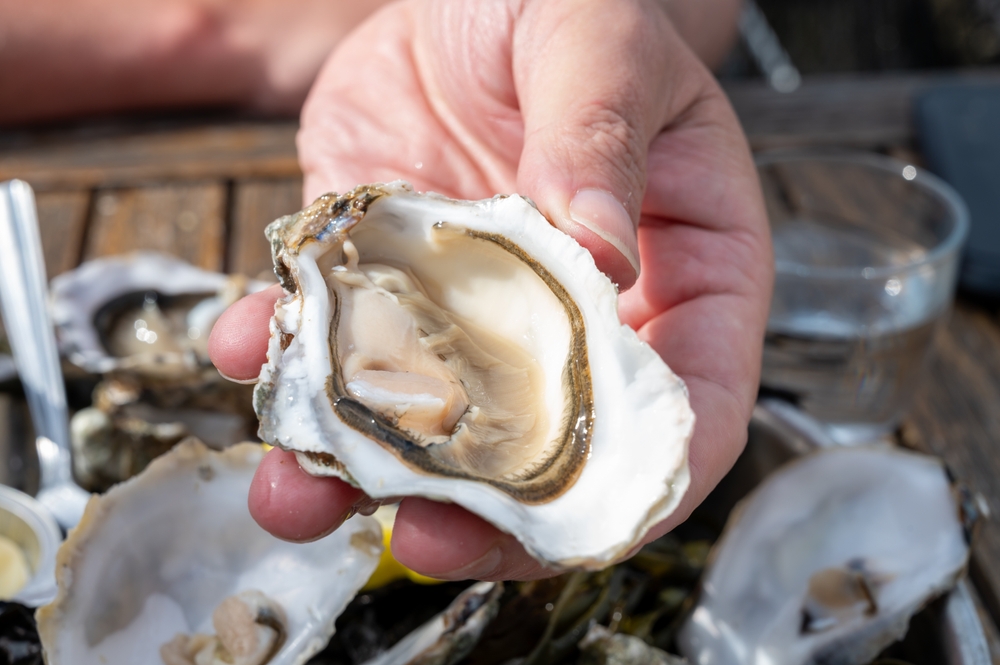
Researchers have tested these proteins in laboratories and observed how they successfully block bacteria from forming their protective barriers.
Are Oyster Proteins Safe for Humans?

Preliminary studies suggest that these proteins do not harm human cells, but further research is needed to confirm their safety.
What Needs to Happen Before Oysters Can Be Used in Medicine?

Scientists must conduct more studies, clinical trials, and refine methods for extracting these proteins before they can be applied in medical treatments.
The Ocean as a Source of New Medicines

Oysters are not the first marine organisms with medical potential. Deep-sea fungi and corals have also shown promise in developing new antibiotics.
Could the Next Generation of Antibiotics Come From Oysters?
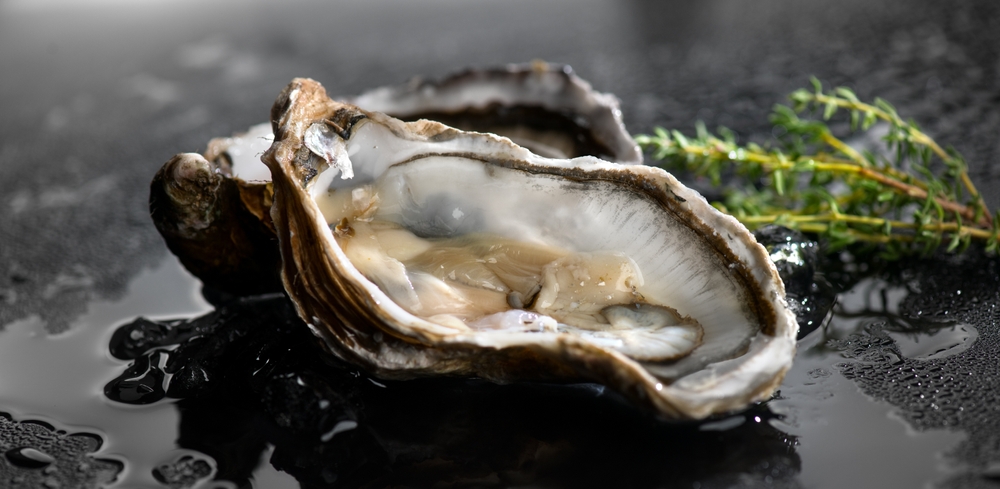
If researchers succeed in isolating and applying these compounds, oyster-derived treatments could help combat antibiotic-resistant infections.
Enjoy Oysters for More Than Just Their Taste

Until these discoveries turn into real treatments, you can appreciate oysters not only as a delicacy but also as a fascinating example of nature’s ability to fight disease.
The article is based on information from Illustreret Videnskab og Southern Cross University
This article is made and published by Mie Hermansen, who may have used AI in the preparation.