
A new study suggests that maintaining a simple yet effective hygiene habit could significantly lower the risk of stroke.
Researchers from the University of South Carolina and the American Heart Association found that a small change in routine could reduce the likelihood of a blood clot or brain hemorrhage by up to 44 percent.
Oral Health and Stroke Risk Are Linked
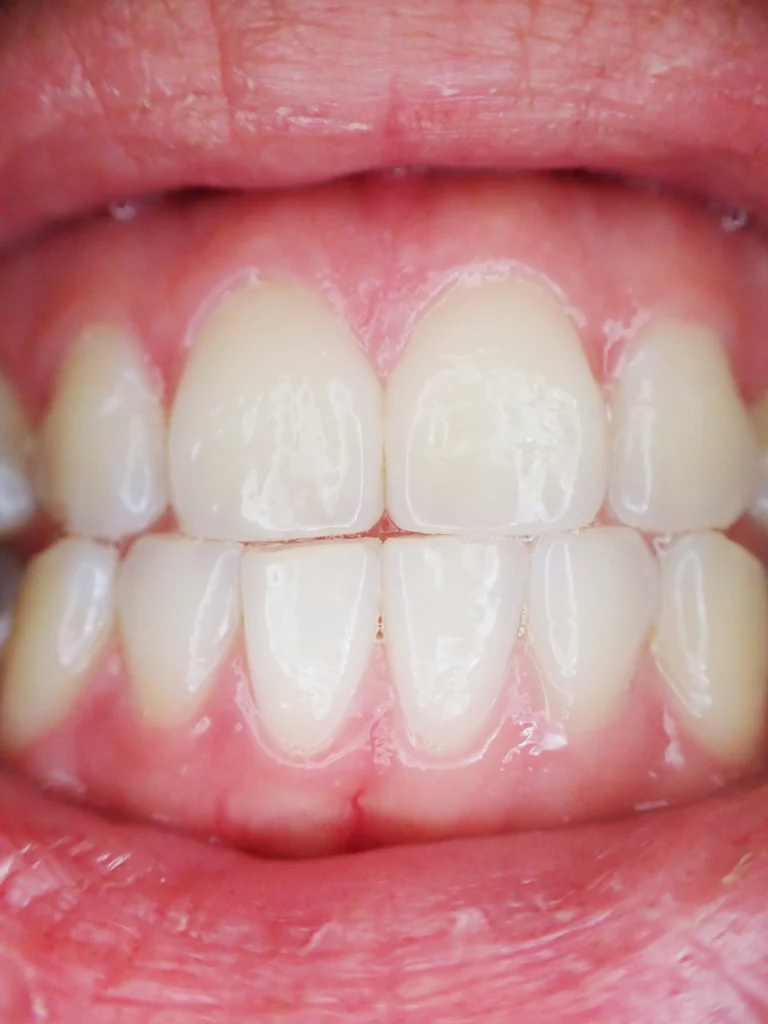
Poor dental hygiene has been associated with inflammation, arterial plaque buildup, and a greater likelihood of developing conditions that contribute to stroke. Maintaining good oral care could be a key factor in preventing serious cardiovascular events.
Flossing Weekly May Lower Stroke Risk
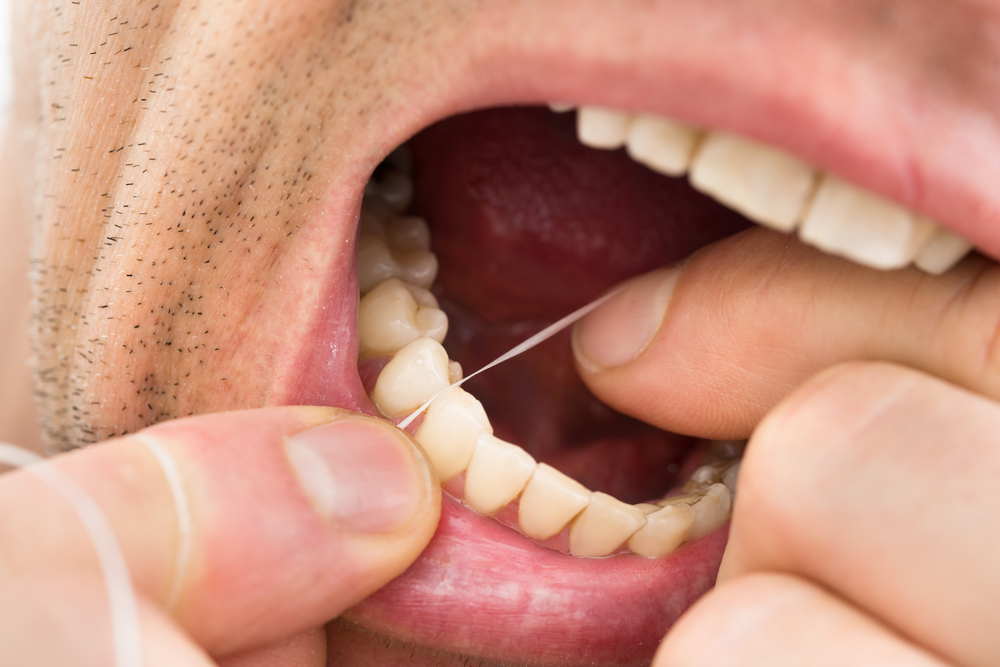
The study followed 6,000 participants over 25 years and found that those who used dental floss at least once a week had a significantly lower risk of stroke, with some cases showing a reduction of up to 44%.
Different Types of Strokes Show Varying Risk Reductions

Flossing was linked to a 22% lower risk of ischemic stroke, a 12% decrease in strokes related to irregular heart rhythms, and a 44% lower risk of strokes caused by blood clots.
Poor Dental Hygiene May Lead to Blood Clots

Bacteria from gum disease can enter the bloodstream and contribute to clot formation, which may block blood flow to the brain. Keeping the mouth clean could reduce systemic inflammation and prevent these complications.
Inflammation Plays a Crucial Role in Stroke Risk

Oral infections can trigger chronic inflammation, which is known to damage blood vessels and increase the likelihood of developing life-threatening blockages in the circulatory system.
Brushing Alone May Not Be Enough

Researchers found that while brushing teeth regularly is beneficial, flossing appears to play a distinct role in reducing the risk of stroke. Even those who brushed consistently saw an added benefit when they flossed weekly.
Gum Health Is Connected to Heart Health

Studies suggest that periodontal disease can contribute to a higher risk of heart disease, high blood pressure, and stroke. Managing gum health may therefore be just as important as controlling other cardiovascular risk factors.
Routine Dental Visits Help Identify Risks Early
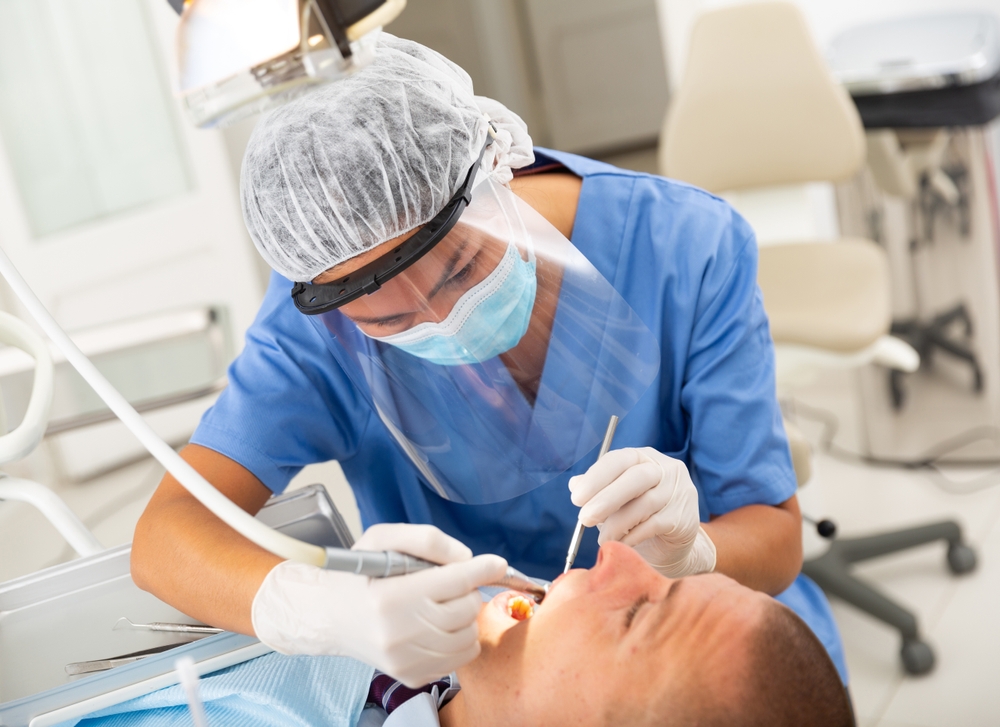
While flossing was a key factor in stroke prevention, regular visits to the dentist also play an essential role in maintaining oral health and catching early signs of gum disease that could contribute to stroke risk.
Flossing Encourages Other Healthy Habits

Researchers believe that individuals who prioritize oral hygiene may also be more likely to engage in other heart-healthy behaviors, such as eating a balanced diet, exercising, and managing stress levels.
More Research Is Needed to Confirm Findings

Although the study presents compelling evidence, experts stress that further research is necessary to fully understand the mechanisms behind the link between flossing and stroke prevention. Results from this study will be discussed at an upcoming conference on cardiovascular health.
The article is based on information from Illustreret Videnskab.
This article is made and published by Mie Hermansen, who may have used AI in the preparation.