
We all know we shouldn’t scratch an itch, yet the urge is almost impossible to resist. Scientists have discovered why scratching feels so satisfying, even though it actually makes irritation worse.
Surprisingly, scratching may even have some unexpected benefits. Here’s what you need to know.
Scratching activates the brain’s reward system

When you scratch, your brain releases dopamine, the same feel-good chemical associated with eating or winning a game. This is why scratching feels incredibly satisfying, even though it ultimately worsens the itch.
It creates a short-lived pain relief
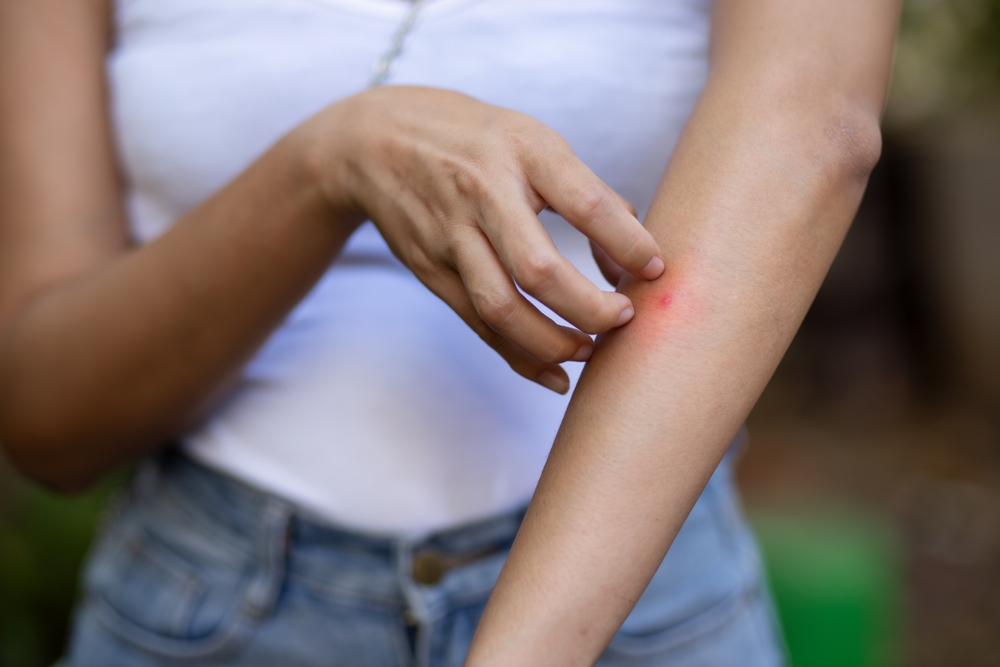
Scratching sends pain signals to the brain, temporarily overriding the itch sensation. However, once the pain subsides, the itch can return even stronger, creating a vicious cycle.
It triggers an inflammatory response
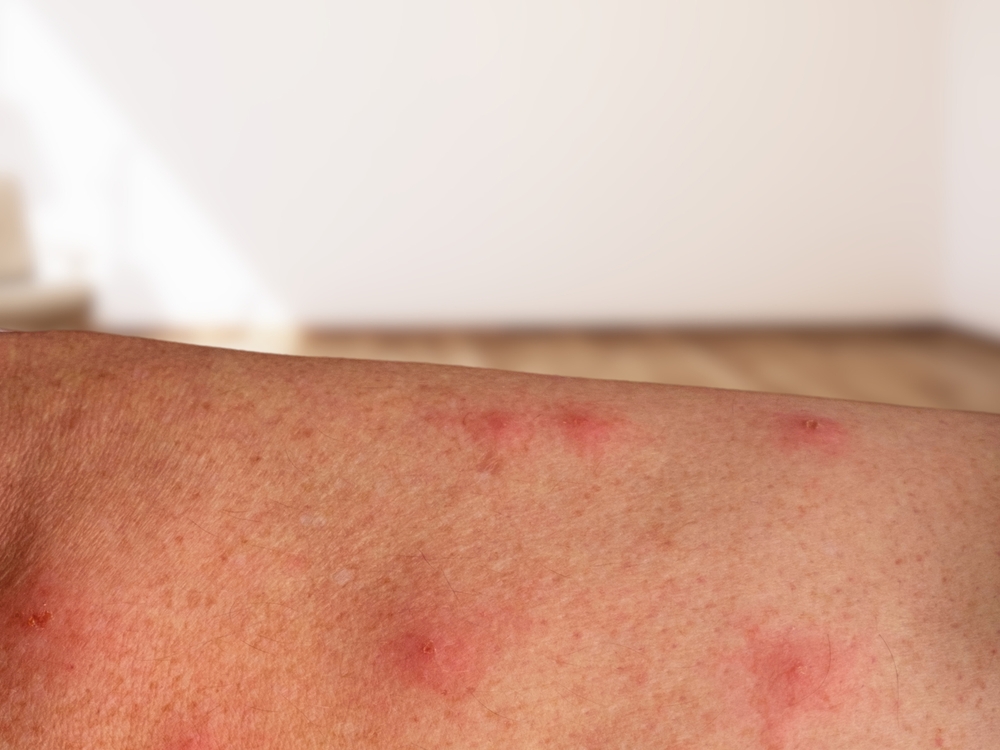
When you scratch, your skin releases histamines, the same chemicals involved in allergic reactions. This increases swelling and redness, making the itch more intense over time.
Your nerves make it worse

Pain-sensing nerves release a chemical called substance P when you scratch, which further activates immune cells and increases inflammation. This means that the more you scratch, the worse your skin reacts.
Scratching can spread bacteria
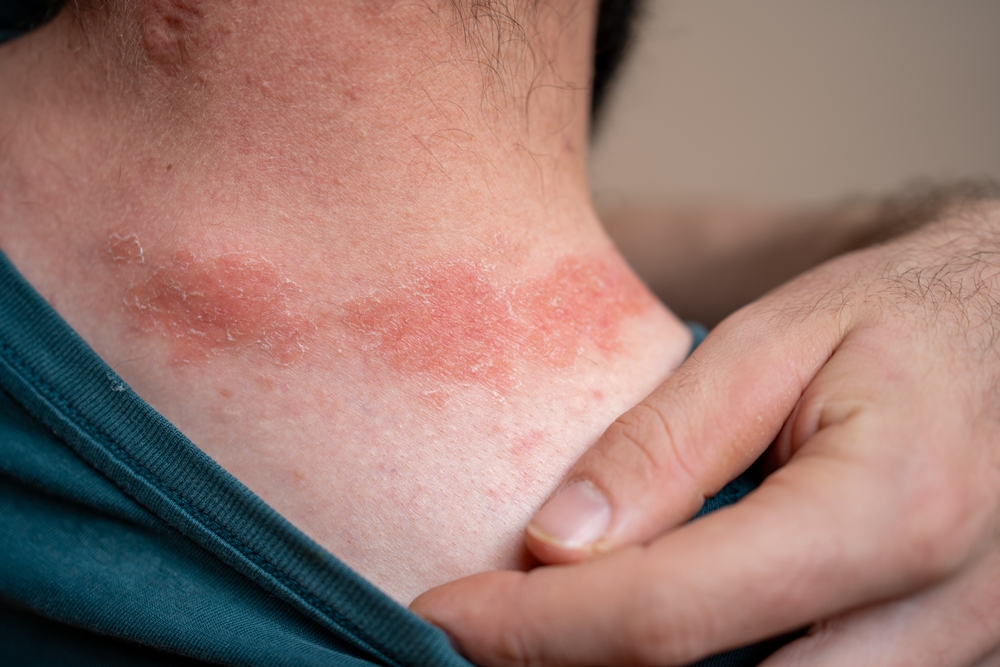
If your nails have bacteria on them, scratching can introduce harmful microbes into small breaks in the skin, increasing the risk of infection—especially in conditions like eczema.
It can damage the skin barrier
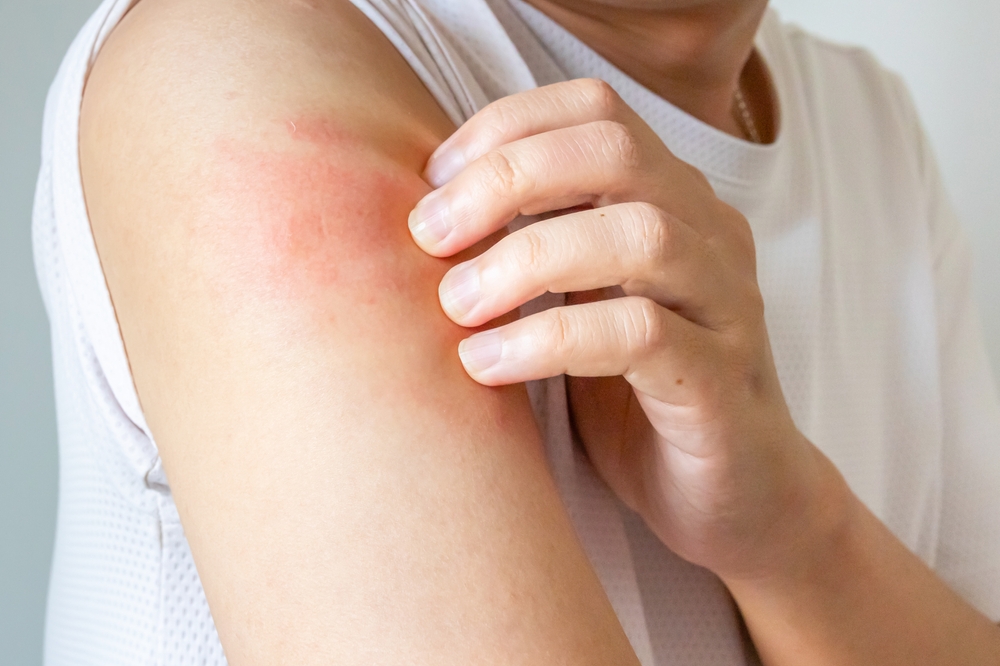
Repeated scratching weakens the skin’s natural protective layer, making it more vulnerable to irritants, allergens, and germs. This can lead to chronic skin problems.
Scratching may have evolved as a defense mechanism
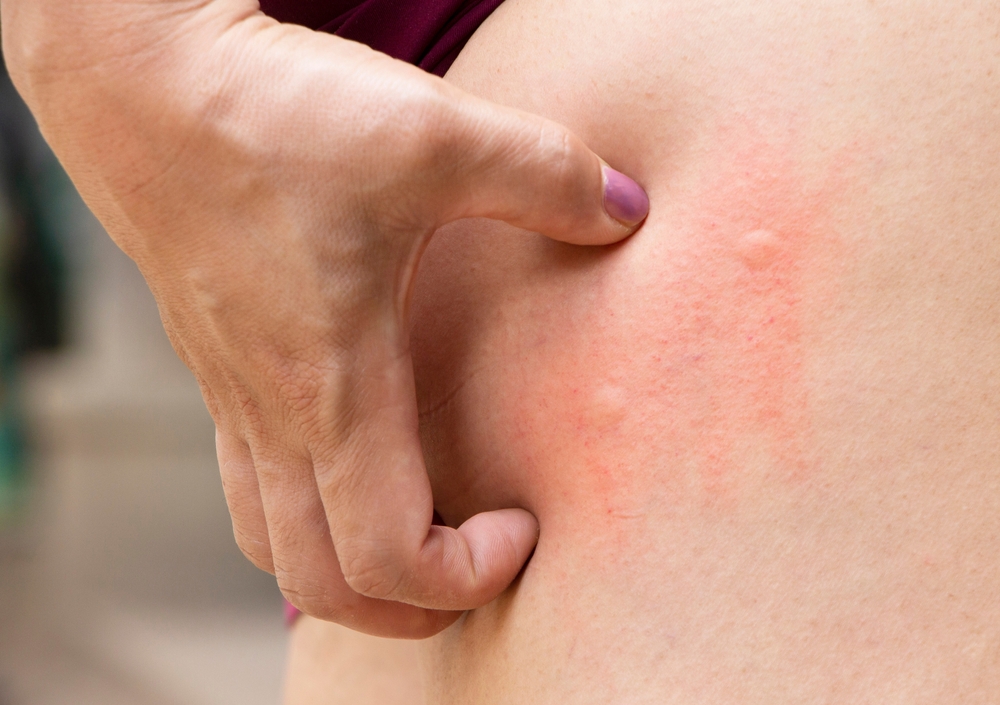
Researchers suggest that scratching originally helped remove parasites or irritants from the skin. However, in modern life, it often does more harm than good.
It temporarily reduces bacteria on the skin
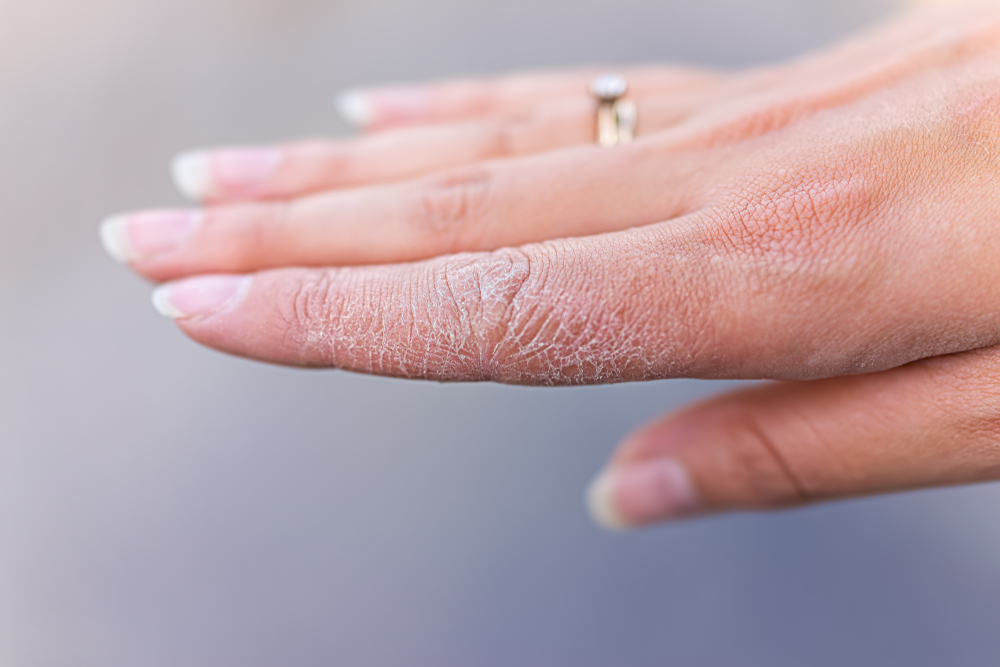
Interestingly, studies have shown that scratching can help remove some harmful bacteria, like Staphylococcus aureus. However, this minor benefit is outweighed by the skin damage scratching causes.
Chronic itching can be linked to neurological conditions
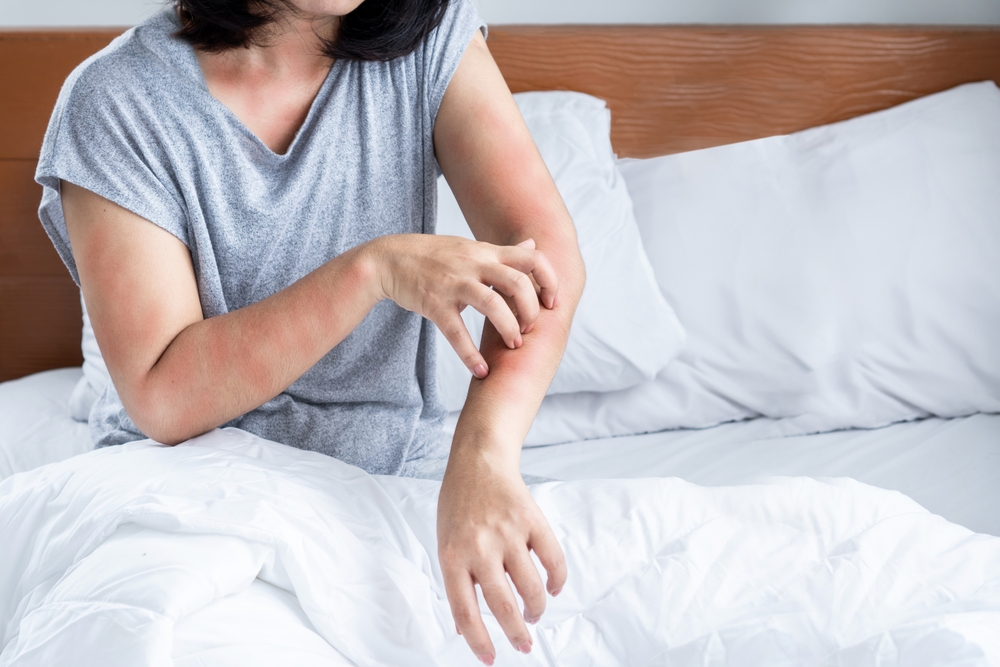
In some cases, persistent itching is caused by nerve-related disorders rather than skin conditions. This explains why some people experience itching with no visible rash.
The best way to stop itching is prevention

Instead of scratching, try applying a cold compress, using anti-itch creams, or taking antihistamines. Keeping your skin hydrated and avoiding known irritants can also help reduce itching.
This article is based on information from Medical Daily
This article is made and published by Mie Hermansen, who may have used AI in the preparation.