
The ideal time for exercise varies based on personal goals, body rhythms, and daily schedules.
Research has uncovered surprising insights about how different workout times impact health and performance.
Morning workouts and sleep

Studies suggest that exercising at 7 AM can improve sleep quality.
Those who work out in the morning tend to fall asleep faster, wake up less during the night, and experience deeper rest.
Morning workouts and weight loss

Research indicates that people who exercise in the morning generally have a lower BMI.
Additionally, research found that individuals who work out before noon tend to lose more weight compared to those who train after 3 PM.
Morning workouts and blood pressure

One study found that morning exercisers experienced a 10% drop in blood pressure, which remained lower throughout the day, potentially benefiting heart health.
Longer warm-ups in the morning

Since body temperature is lower in the morning, a more extensive warm-up may be necessary.
Muscles and joints can be stiffer early in the day, increasing the importance of proper preparation.
Afternoon workouts and performance

Research shows that body temperature peaks in the afternoon, which can enhance strength, endurance, and flexibility.
This makes it an ideal time for those aiming for peak performance.
Afternoon workouts and heart health

Some studies suggest that exercising between 11 AM and 5 PM may be best for heart health.
This timing can help regulate blood pressure and support cardiovascular function.
Challenges of afternoon workouts
One downside of exercising in the afternoon is that it may be difficult to fit into a busy schedule.
Work, meetings, and social commitments can make consistency harder to maintain.
Evening workouts and blood sugar levels

Studies reveal that exercising later in the day can help reduce post-meal blood sugar spikes, particularly benefiting individuals with insulin resistance or diabetes.
Evening workouts and longevity

Research has found that middle-aged, overweight individuals who exercised in the evening had a 28% lower risk of dying from any cause compared to those who worked out earlier.
Evening workouts and sleep
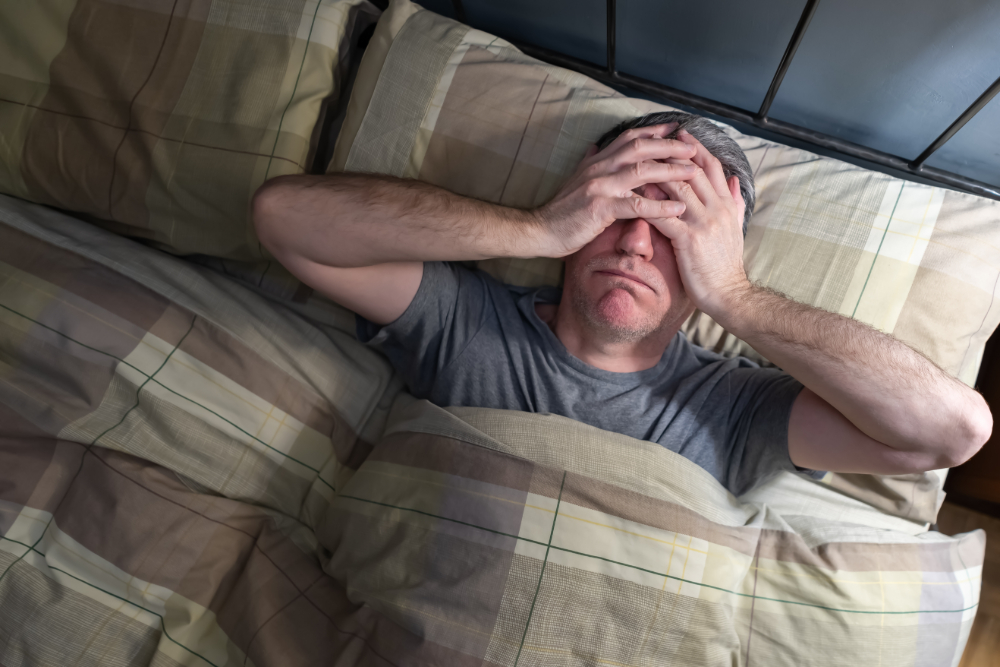
While some people find evening workouts relaxing, others may feel too energized to fall asleep easily.
If late-night exercise disrupts sleep, an earlier workout might be a better option.
This article is based on information from Health.com.
This article is made and published by Ida-Marie Palm Varbæk, who may have used AI in the preparation.