
Sunburn is damage to the skin caused by excessive exposure to the sun.
The condition can often be treated at home and usually improves within seven days, according to the NHS.
What is sunburn?
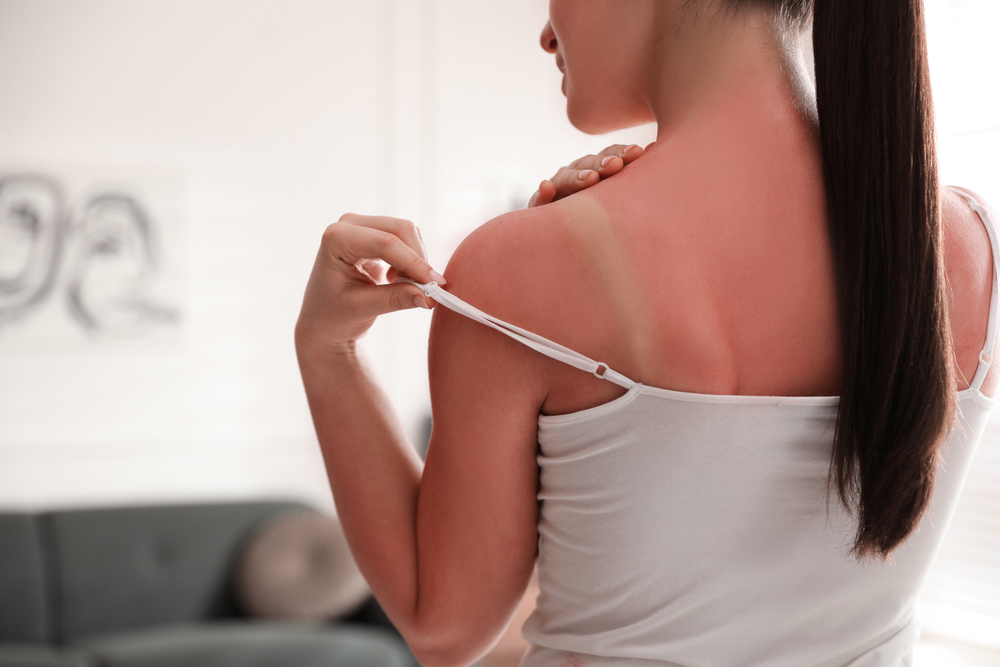
Sunburn is skin damage caused by too much sun exposure. In most cases, the symptoms can be managed at home.
Skin may feel hot
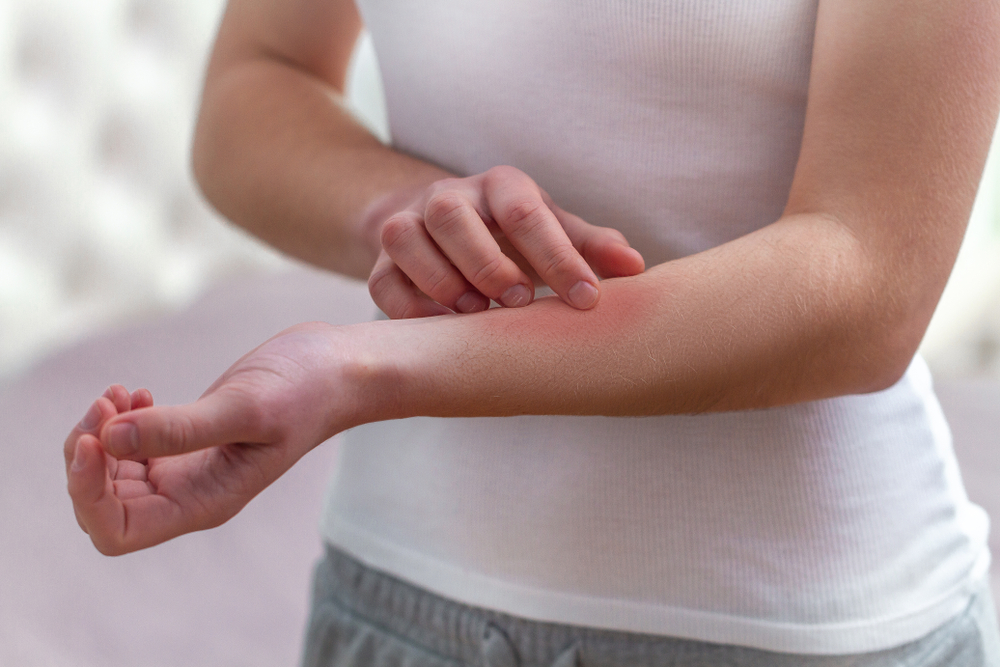
One of the common signs of sunburn is that the skin feels hot to the touch.
Also read: Tap water or bottled water? This is the difference for your health
Tenderness and pain in the skin
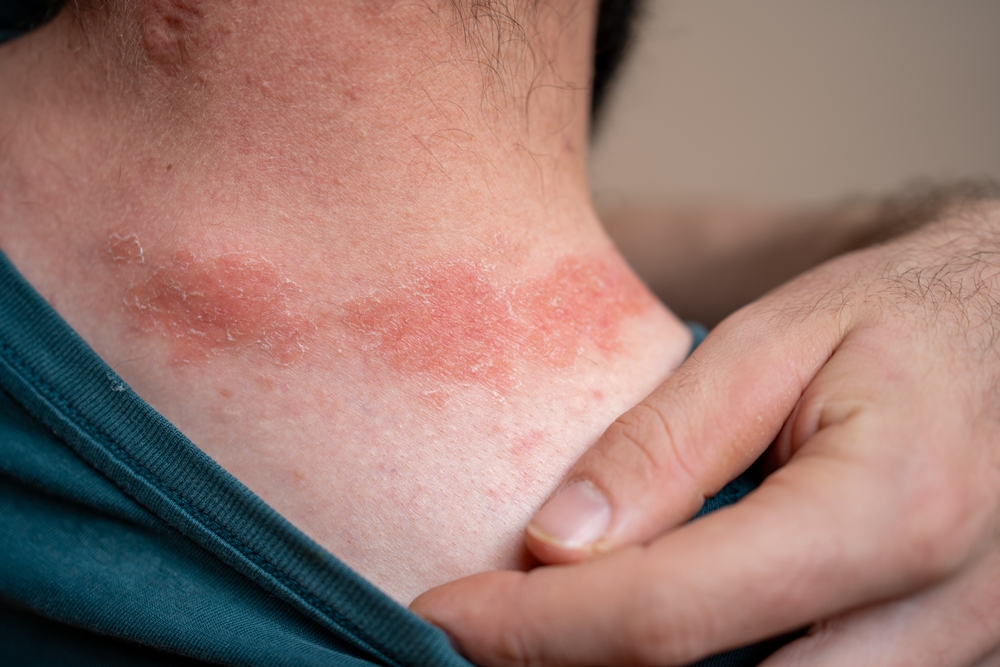
Sunburned skin can become tender and painful in the days following sun exposure.
Peeling may occur later
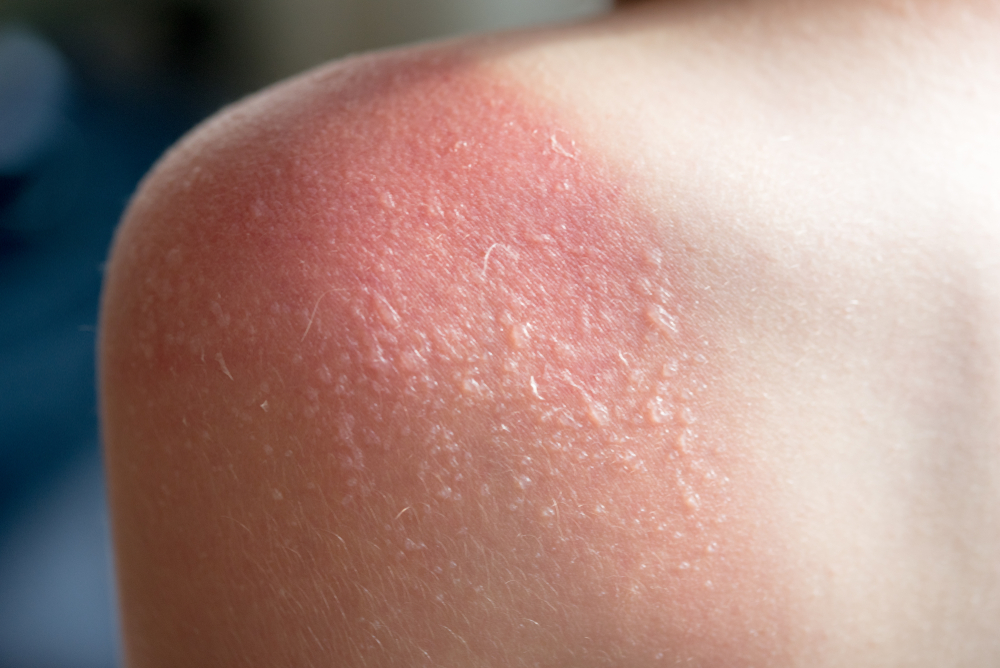
The skin may begin to peel several days after becoming sunburned.
Severe sunburn can cause blisters
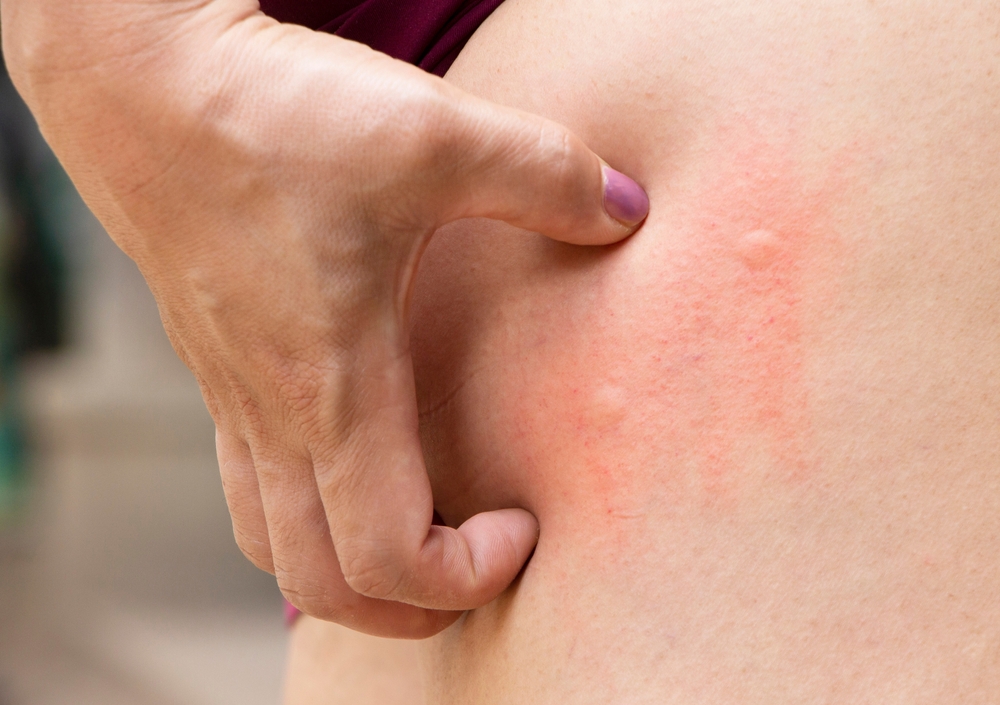
In cases of severe sunburn, blisters may develop on the skin.
Skin color may change differently
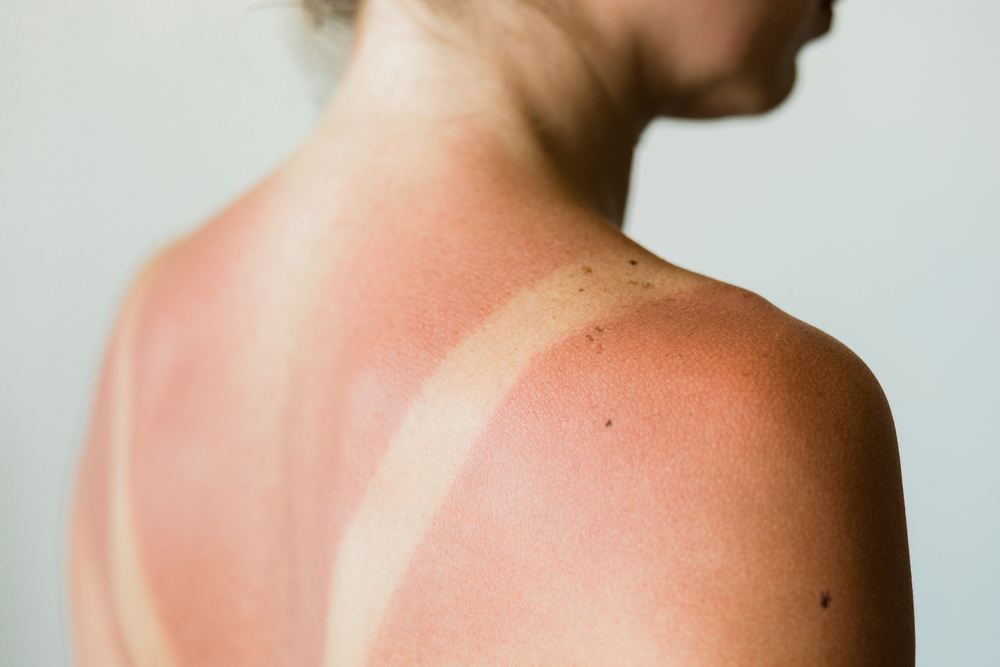
In people with fair skin, sunburn often causes the skin to become red or pink. In people with brown or black skin, color changes may not be visible.
Also read: Your bedroom mirror could be ruining your sleep
Get out of the sun immediately

It is recommended to move out of the sun as soon as possible to limit further damage to the skin.
Cool the skin gently
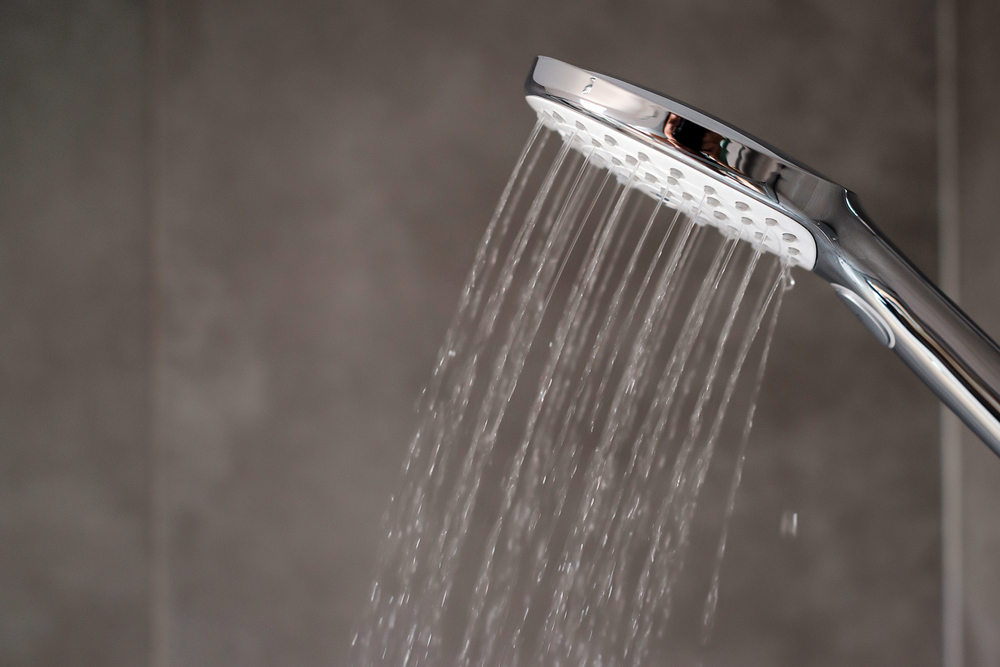
A cool shower, bath, or damp towel can help relieve discomfort. However, young children should not become too cold.
Use a moisturizer
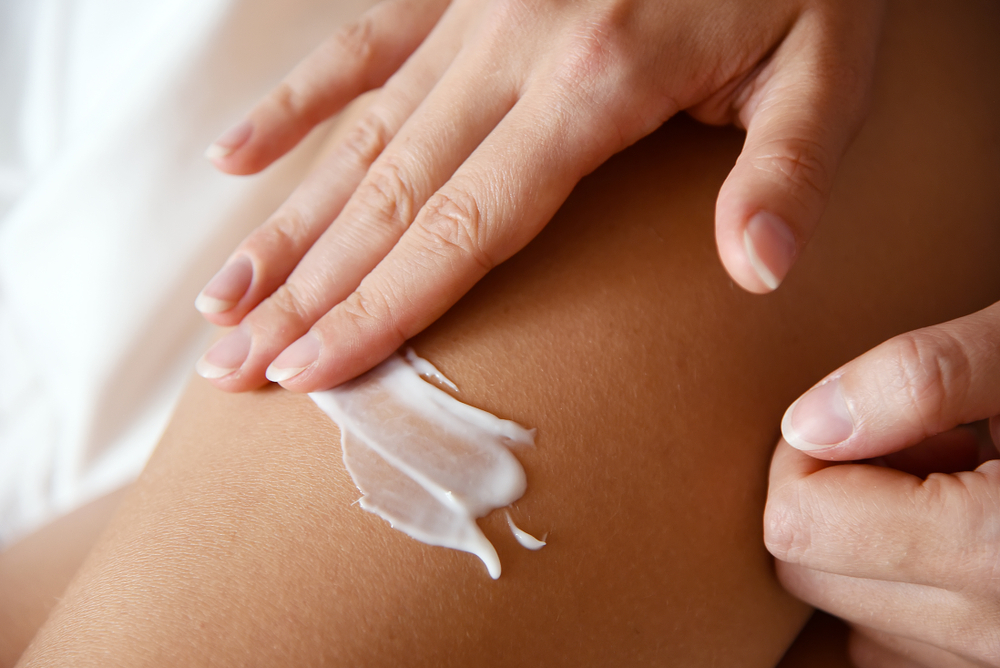
After-sun products or an unscented moisturizer may help soothe the skin.
Drink plenty of fluids
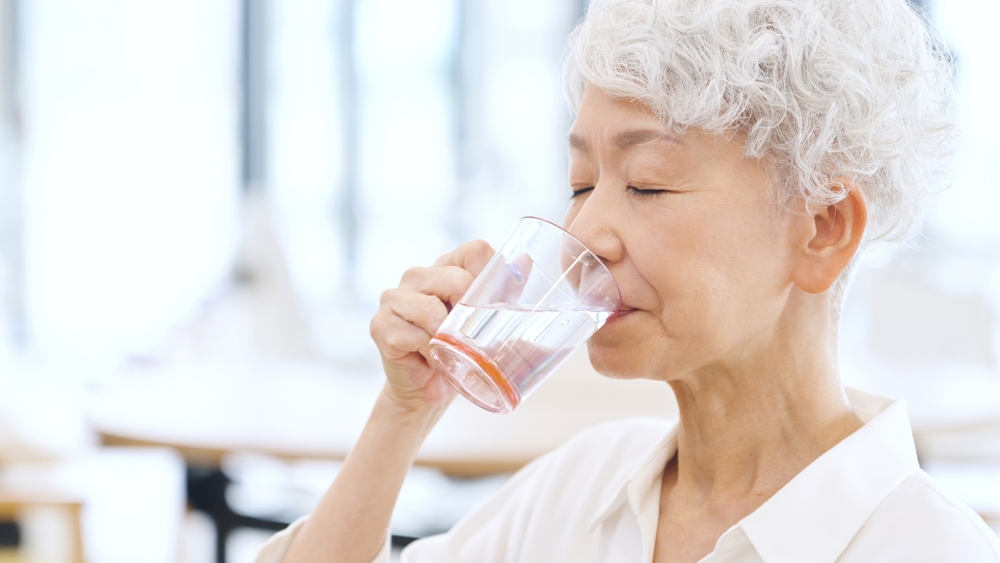
Photo: Shutterstock.com
It is recommended to avoid alcohol and drink plenty of water to cool the body and reduce the risk of dehydration.
Also read: Mosquito-borne virus outbreaks trigger travel warnings in these regions
Pain relief may help
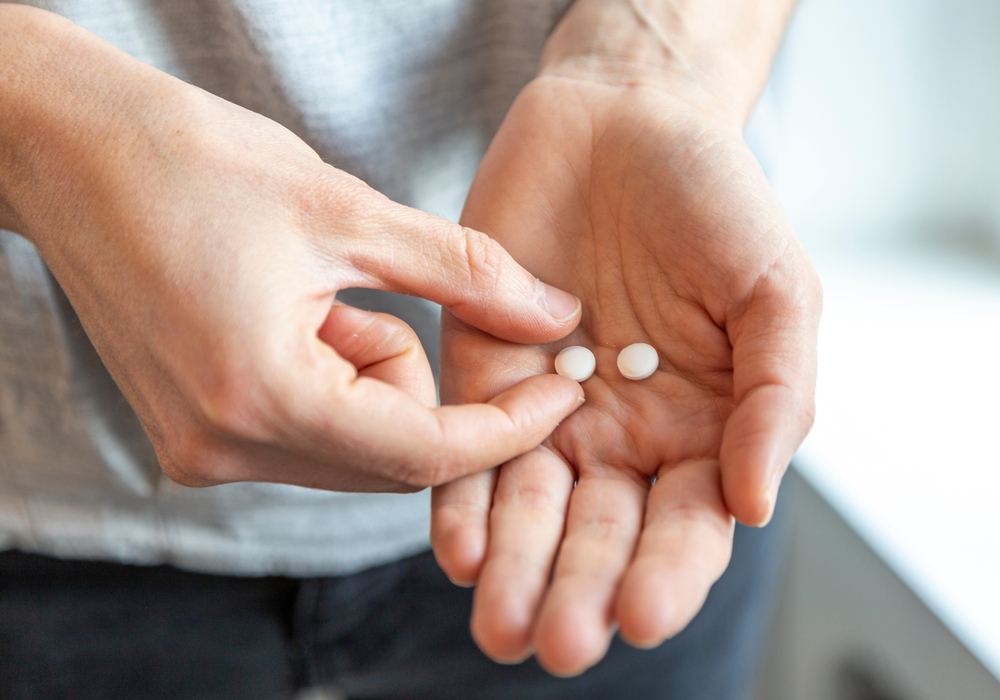
Paracetamol or ibuprofen can be used to relieve pain if taken according to the instructions provided with the medication.
Protect the skin while it heals
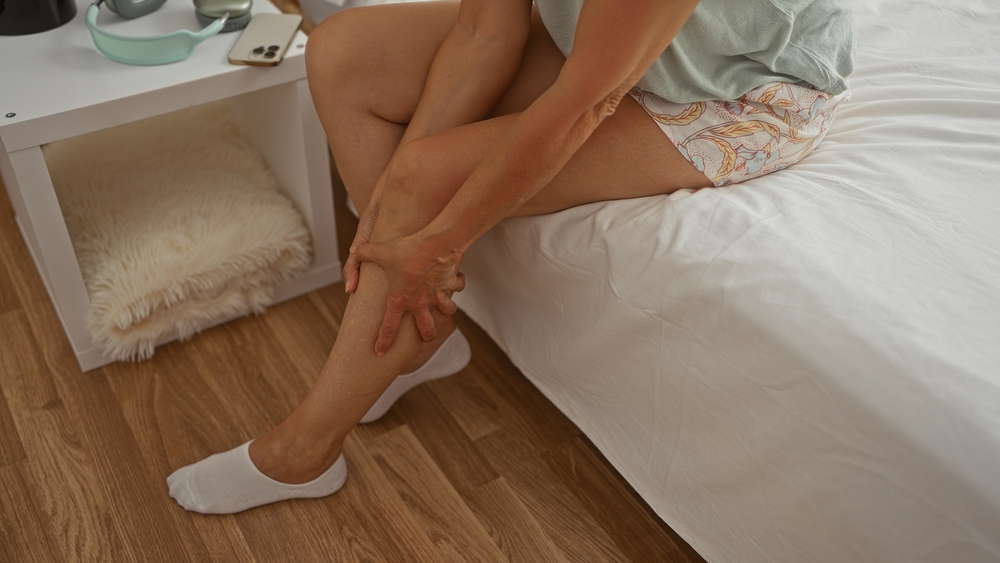
Sunburned skin should be covered and kept out of direct sunlight until it has fully healed.
Avoid products containing petroleum jelly
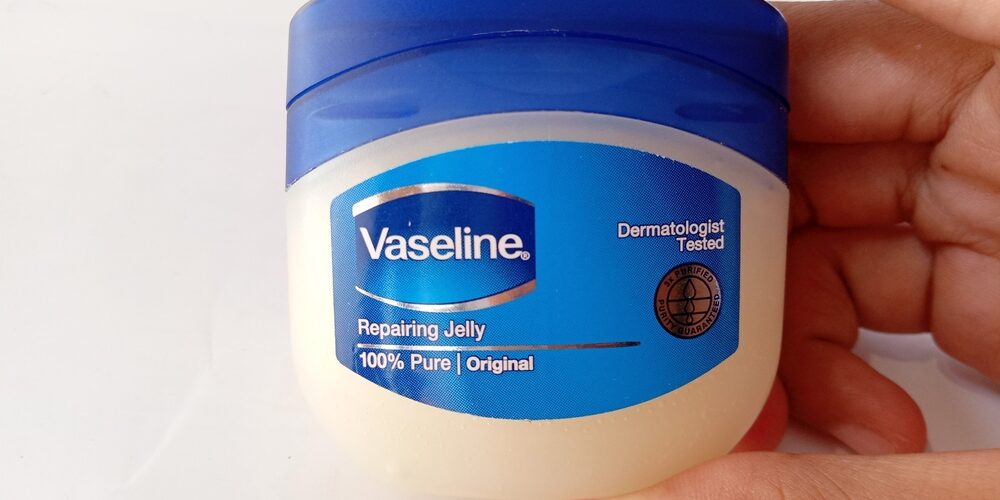
Petroleum jelly should not be applied to sunburned skin.
Do not apply ice directly to the skin

Ice or ice packs should not be placed directly on sunburned areas.
Also read: As children's mental health struggles rise, experts point to one solution
Leave blisters alone
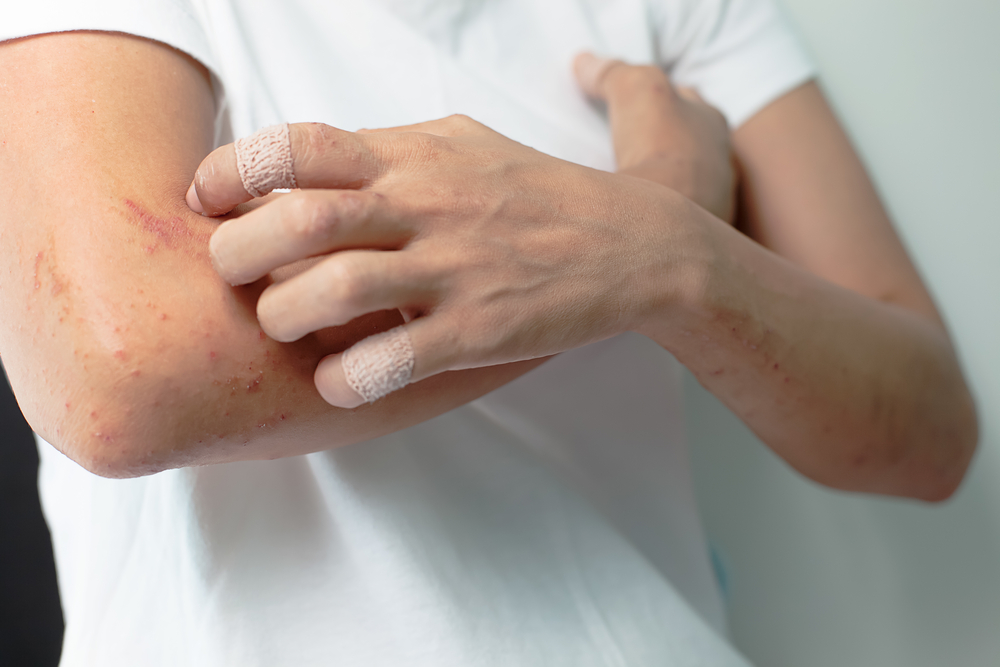
Blisters should not be popped, as this can worsen the condition.
Avoid picking at the skin
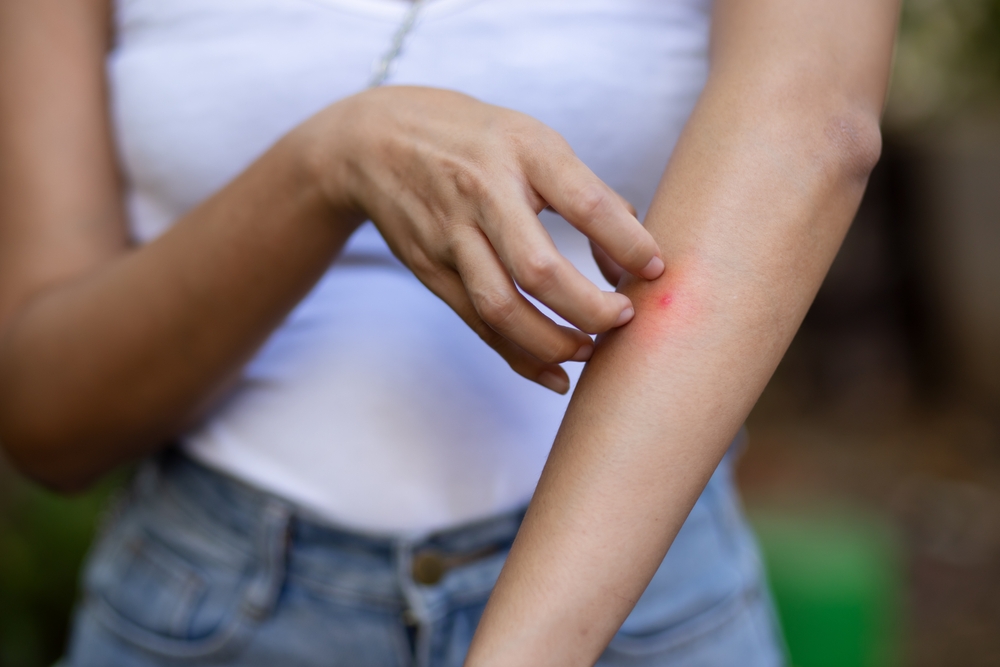
Peeling skin should not be scratched or removed.
Tight clothing can worsen discomfort

Tight-fitting clothing over sunburned areas should be avoided.
A pharmacist can provide advice

A pharmacist can offer guidance on treating sunburn and assess whether there is a need to contact a doctor.
Also read: The early cancer symptoms doctors want you to take seriously
When should you seek help?
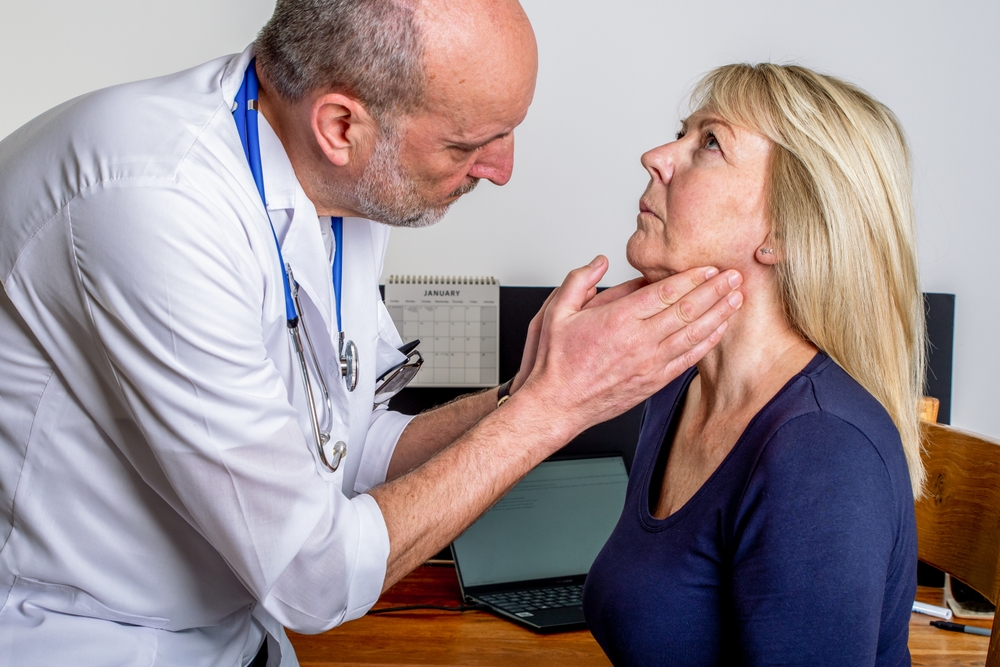
Urgent medical advice is recommended if you experience blistered or swollen skin, a very high temperature, chills, extreme tiredness, dizziness, nausea, headaches, muscle cramps, or if a baby or young child has become sunburned.
Serious complications can occur
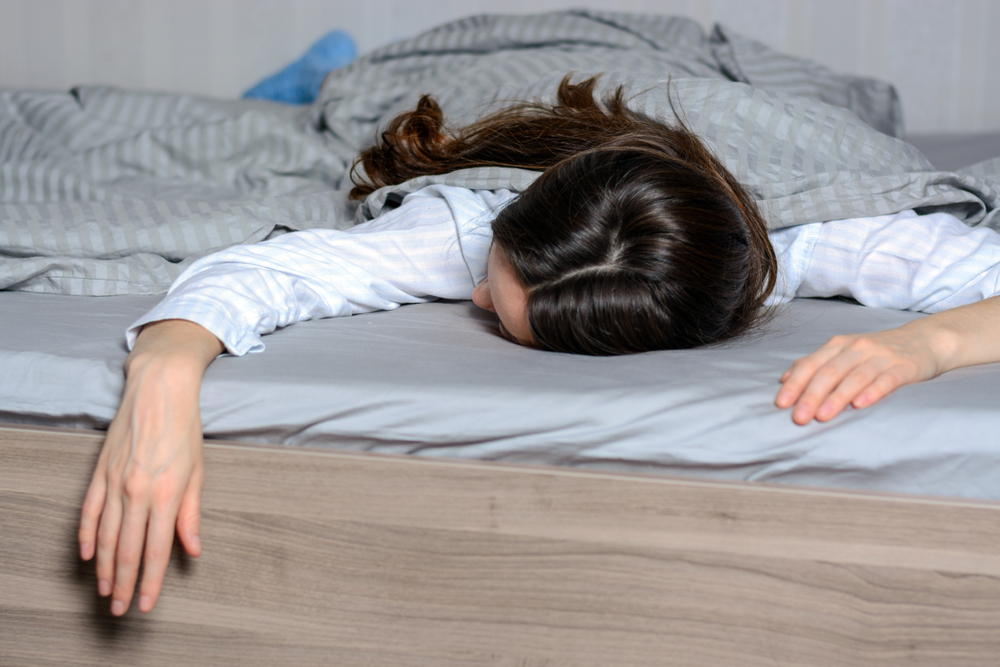
Severe sunburn can lead to heat exhaustion and heatstroke, both of which can be very serious conditions.
Sunburn increases the risk of skin cancer

Experiencing sunburn can increase the risk of developing skin cancer.
This article is made and published by Ida-Marie Palm Varbæk, who may have used AI in the preparation.