
Our brain thrives on habits and repetition, but if we want to keep it sharp, we need to challenge it.
According to neuroscientist Troels W. Kjær, just five minutes of daily training can make a big difference.
Your Brain Starts Slowing Down Early – But You Can Change That

The brain reaches its peak performance around the age of 22. After that, cognitive abilities slowly begin to decline. However, the good news is that we can actively influence this process by introducing small challenges into our daily routines.
Five Simple Brain Exercises
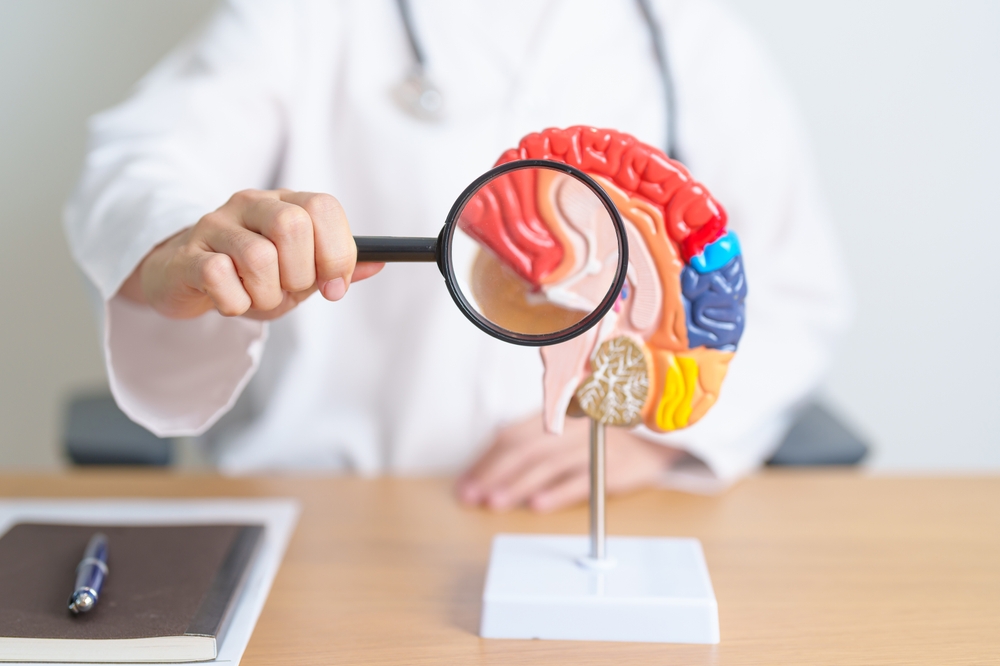
To get started with brain training, Kjær suggests five easy exercises that can be seamlessly incorporated into everyday life. You only need to pick one—and you’ll still see benefits.
Eat with Your Non-Dominant Hand

If you usually eat with your right hand, try using your left—and vice versa. This challenges your motor skills and forces your brain to form new neural connections.
Walk Backwards

Take a few steps backwards on your way to the coffee machine or through your living room. Walking backwards forces the brain to process movement differently, improving balance and adaptability.
Talk to a Stranger

A short conversation with someone you don’t know—whether on the bus or at the supermarket—stimulates your brain’s social circuits and pushes it out of its comfort zone.
Learn New Words or a New Language

Expanding your vocabulary boosts brain function and improves memory. You don’t have to master a whole new language—just learning a few new words daily can make a difference.
Read Upside Down

Flip your newspaper or phone screen upside down and try to read the text. It might feel strange at first, but it forces your brain to engage in new ways.
Small Changes, Big Impact

The brain works like a muscle—the more we use it, the stronger it becomes. “When we train our biceps, they grow. The same goes for the brain. New challenges create new connections, and if we keep using them, they get stronger,” says Troels W. Kjær.
The Four Key Factors for a Sharp Brain

Research shows that four main factors help maintain cognitive sharpness: a healthy diet, exercise, rest, and active mental engagement. If we stick to the same habits daily, our brain builds “highways” for fast processing. But to keep evolving, we need to create new neural pathways.
Quick Results

According to the neuroscientist, if you challenge your brain daily, you may notice improvements within just a few weeks.
So why not take on the challenge and try one of these exercises today? It only takes five minutes—and your brain will thank you for it.
This article is based on information from Faglige Seniorer
This article is made and published by Mie Hermansen, who may have used AI in the preparation.