
Bedtime can be a challenge for many parents, but a good sleep routine is essential for both children and adults.
With the right habits and a comforting approach, you can help your child learn to fall asleep independently and enjoy a restful night.
Establish a consistent and predictable routine
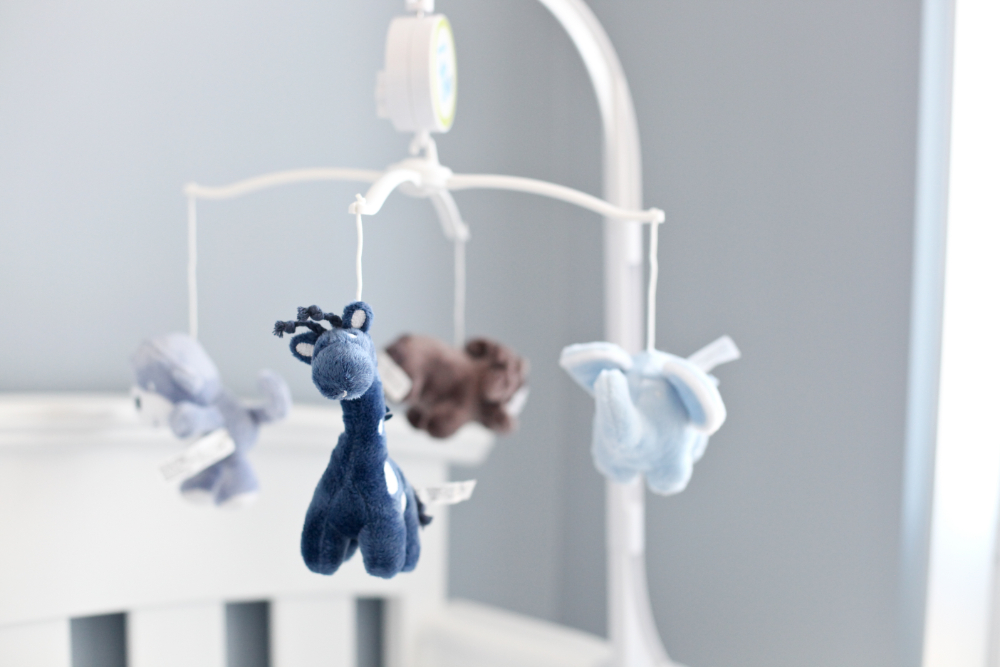
Children feel more secure when they know what to expect. A structured routine with brushing teeth, putting on pajamas, reading a bedtime story, and a calm ending signals that it’s time to sleep.
Avoid screens before bedtime

Blue light from tablets and phones can disrupt sleep. Try turning off screens at least an hour before bedtime and replace them with quiet activities like reading or gentle play.
Give your child time to unwind

A busy day can make it hard to relax. Help your child transition to bedtime by creating a peaceful atmosphere with dim lighting, quiet conversation, or soft music.
Stay with your child until they feel secure

Some children need reassurance at bedtime. If your child struggles to fall asleep, sit near them and gradually move farther away over time to build their confidence.
Teach your child to fall asleep independently

Children need to learn that they can fall asleep without constant assistance. Start by briefly leaving the room and returning, so they understand that you will always come back.
Help your child settle back to sleep if they wake up
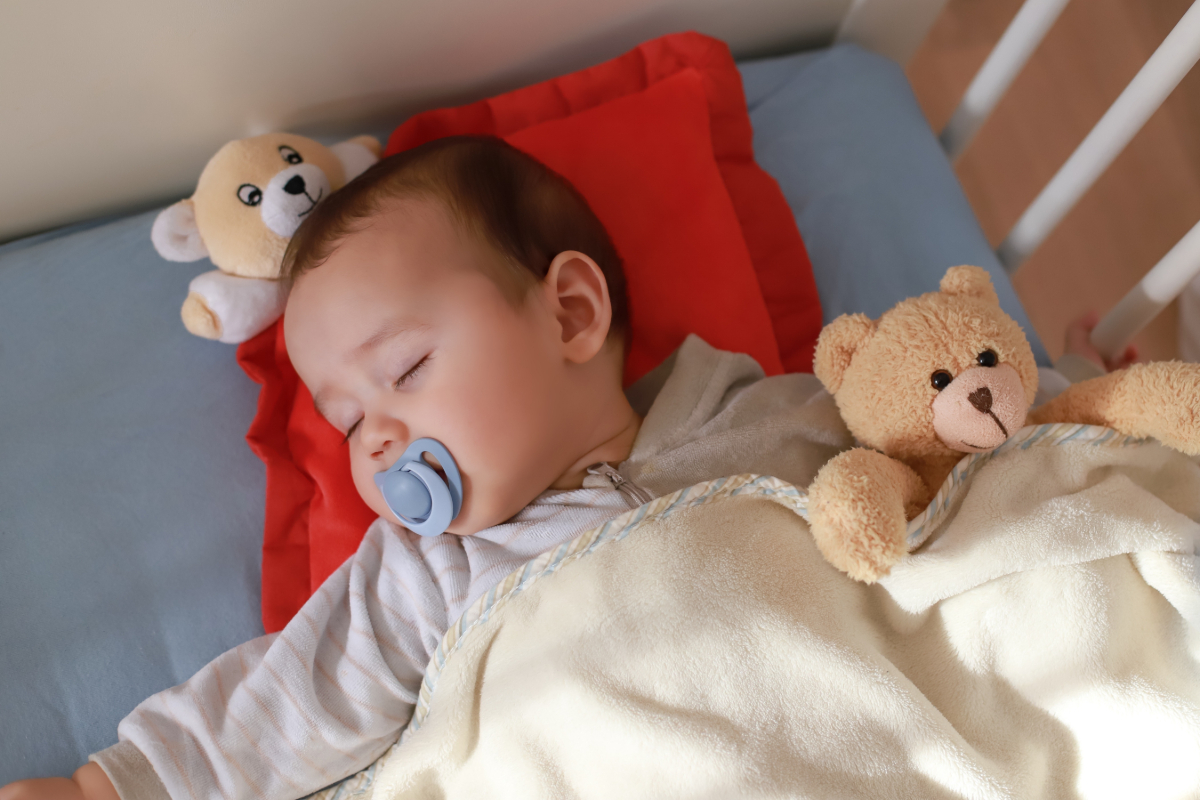
If your child wakes during the night, try comforting them with a calm voice or a gentle touch instead of picking them up immediately. This helps them learn to soothe themselves.
Create a comfortable and safe sleep environment

A cozy sleeping space makes a big difference. Use a soft nightlight, let them keep a favorite stuffed animal, or reassure them that you’ll check on them later.
Handle bedtime resistance with patience

If your child refuses to go to bed, stay calm and stick to the routine. Avoid frustration and gently reinforce bedtime expectations with a reassuring tone.
Address fears and nightmares

If your child is afraid of the dark or imaginary monsters, acknowledge their feelings. Do a fun “monster check” together or give them a special “comfort toy” to help them feel safe.
Be patient—good sleep habits take time

All children eventually learn to sleep independently and through the night, but each child develops at their own pace. By staying consistent and supportive, you create the best foundation for healthy sleep.
This article is based on information from Nordic Parenting
This article is made and published by Mie Hermansen, who may have used AI in the preparation.