
Endometriosis affects millions of women, yet remains widely misunderstood and underdiagnosed. If you’ve ever wondered why your period pain feels unbearable or why fertility seems like a challenge, this condition could be the hidden culprit.
Here are 10 key facts to help you understand endometriosis—what it is, how it feels, and how it can be managed.
What exactly is endometriosis?
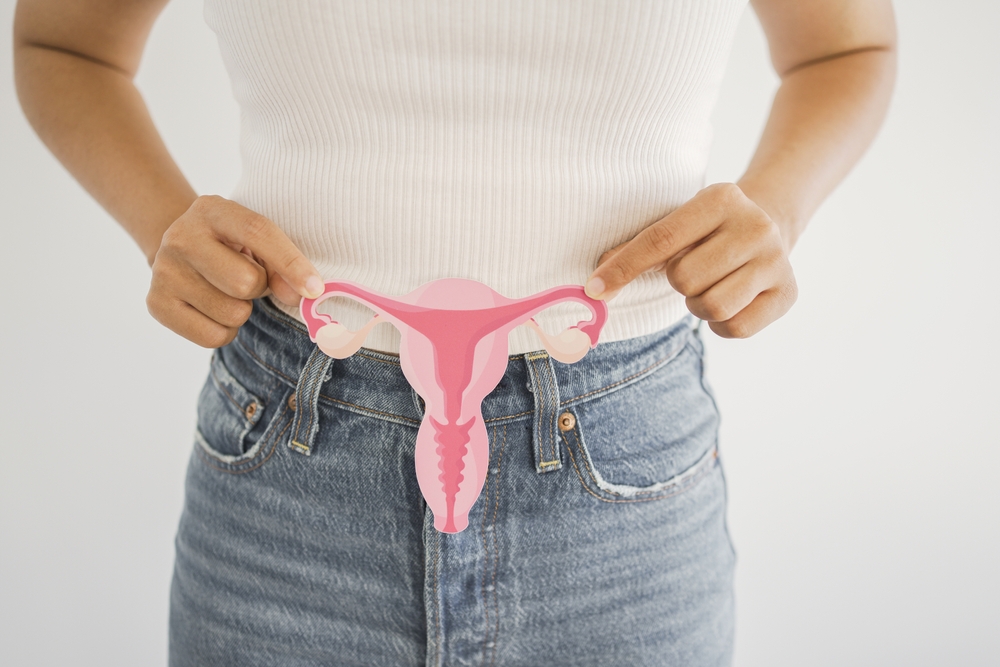
Endometriosis occurs when tissue similar to the uterine lining grows outside the uterus—on ovaries, intestines, and even the bladder. This rogue tissue still acts like it’s inside the uterus, responding to hormonal changes and bleeding each month, causing irritation, inflammation, and severe pain.
No one knows the exact cause
While scientists haven’t nailed down one clear explanation, there are a few leading theories. One is that menstrual blood flows backward into the pelvic cavity (retrograde menstruation). Others suggest the tissue forms spontaneously or spreads through the blood or lymph system.
Pain can vary dramatically
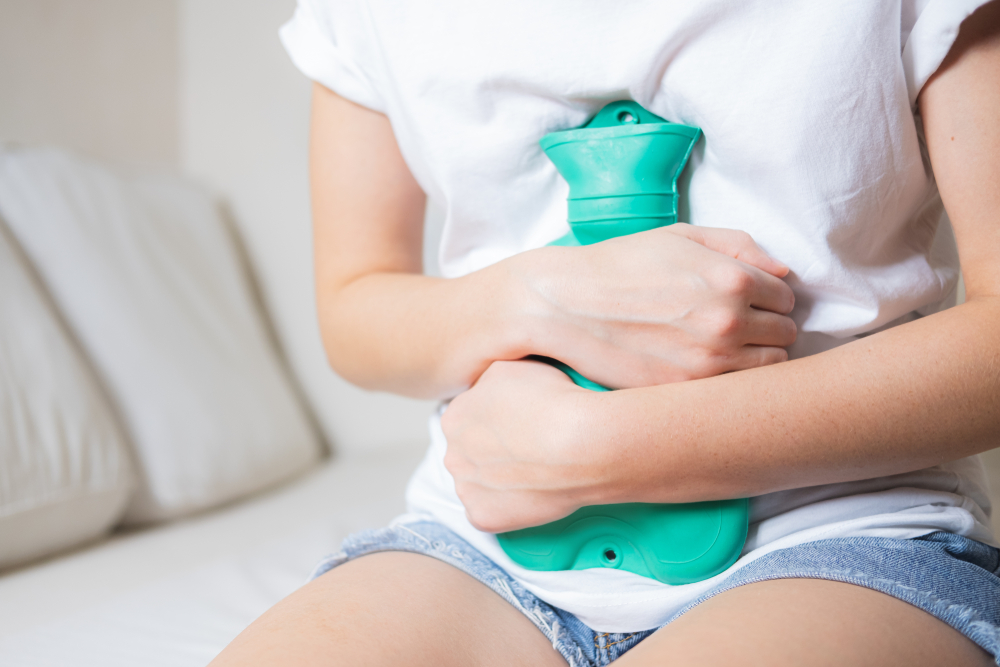
For some, the pain is mild or barely noticeable. For others, it’s so severe that it disrupts daily life. The location of the endometrial tissue plays a role—pain often worsens if it spreads to nerves or deep pelvic areas, and over-the-counter painkillers rarely help.
Many women don’t even know they have it
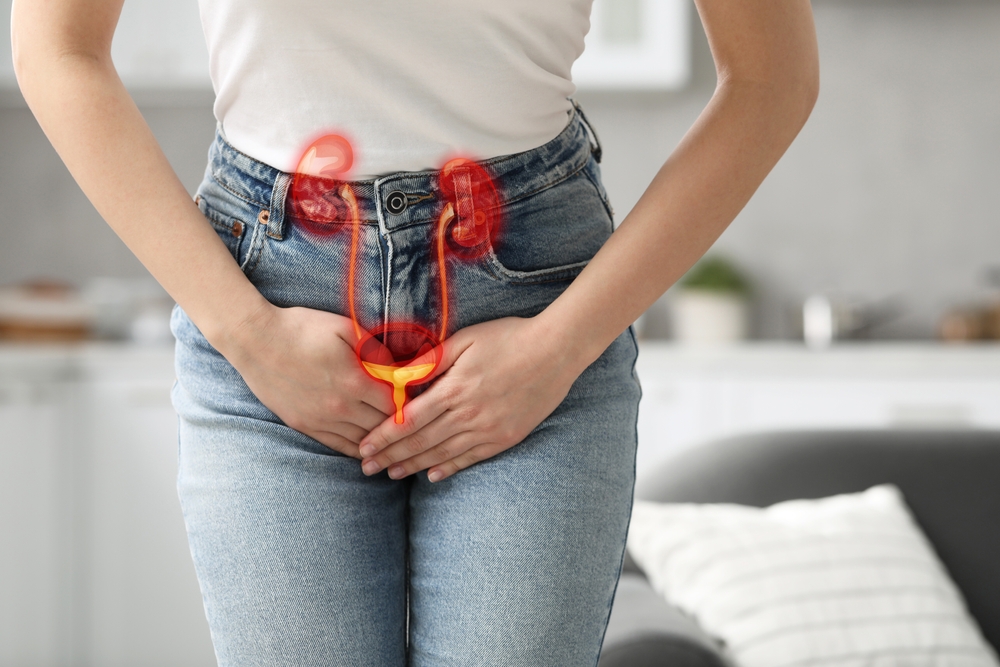
Endometriosis is one of the most underdiagnosed conditions affecting reproductive-age women. Its symptoms—like fatigue, digestive issues, or painful periods—are often mistaken for “normal.” For many, it takes years and multiple doctor visits to get the correct diagnosis.
It often hides behind fertility issues
About 30–40% of women with endometriosis experience infertility. In fact, many only discover they have the condition when struggling to conceive. The tissue can interfere with ovulation, damage eggs, or cause inflammation that makes pregnancy more difficult.
There is no cure, but symptoms can be managed
Endometriosis can’t be completely cured, but several treatment options exist. Hormonal therapies like birth control can help reduce flare-ups. In more severe cases, surgery to remove the tissue may be necessary. Some even opt for induced or early menopause to relieve symptoms.
Pregnancy may bring temporary relief
Interestingly, many women find their symptoms improve during pregnancy and breastfeeding. However, this relief is usually short-lived, and symptoms often return afterward. It’s not a long-term solution, but it can offer a temporary break from the pain.
Lifestyle changes can help

Gentle exercise, such as yoga or walking, may reduce symptoms, while excessive training can sometimes worsen them. For women with digestive-related endometriosis, dietary adjustments—like the FODMAP diet—can also bring relief. Personalized care is key.
It may run in families
If your mother or sister has endometriosis, your own risk of developing it is significantly higher. Genetics seems to play a role, though the condition itself can look very different from person to person, even within the same family.
Diagnosis is getting easier
In the past, a surgical procedure was the only reliable way to diagnose endometriosis. Today, improved imaging—like advanced ultrasounds—can help detect signs earlier. The hope is that more women will get answers and support without waiting years for a diagnosis.
This article is based on information from IFORM
This article is made and published by Mie Hermansen, who may have used AI in the preparation.