
Have you suddenly been hit by a wave of sneezing, itchy eyes, and a runny nose this spring?
You’re not alone — and there are several reasons your allergies feel more intense than ever.
You can develop allergies as an adult
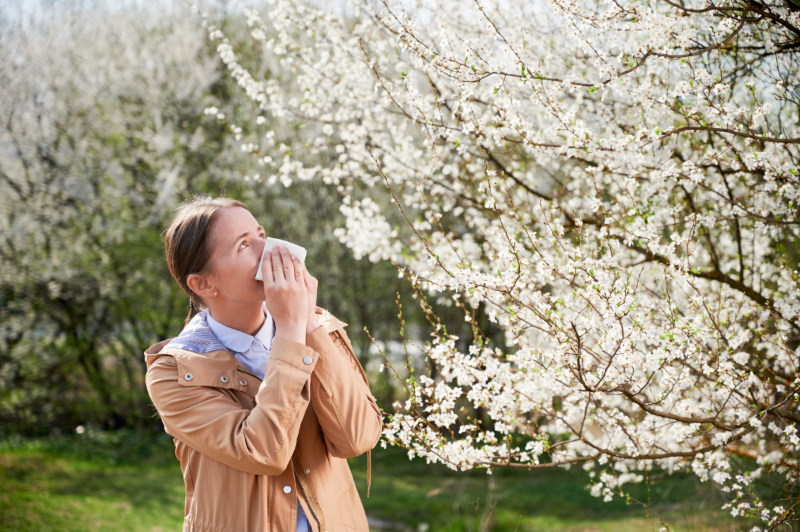
Many people think allergies are only a childhood issue, but that’s not true. Experts say it’s possible to develop allergies at any age — even well into adulthood.
In fact, many people experience their first allergy symptoms like itchy eyes and sneezing in their 30s or later.
Climate change is making allergy season worse
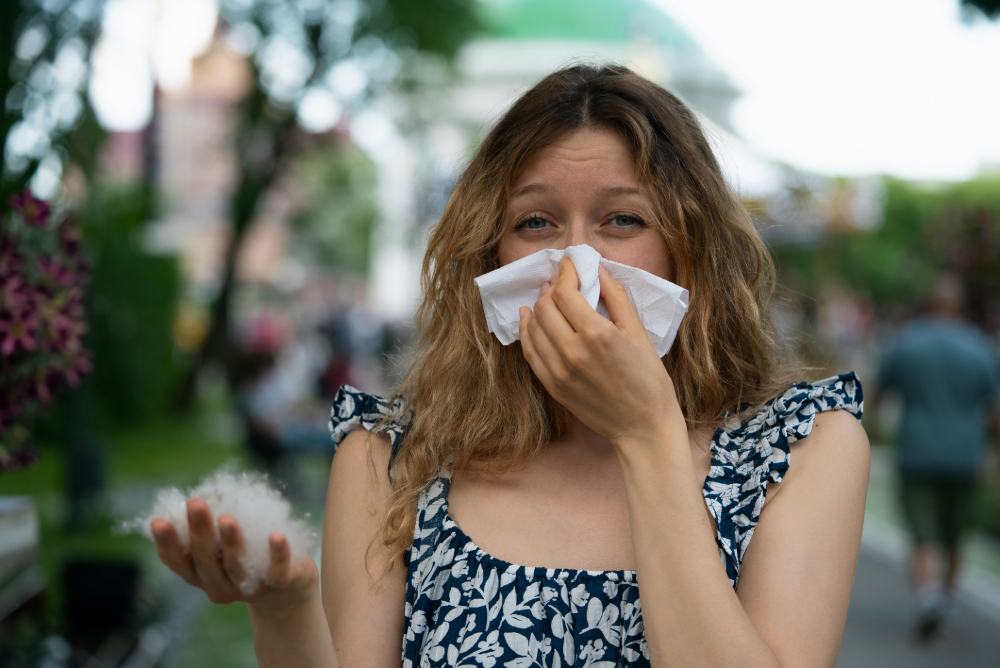
It’s not your imagination — allergy seasons are becoming longer and more intense.
Warmer weather and higher carbon dioxide levels make plants produce more pollen, which results in more severe and prolonged symptoms.
Pollen is arriving earlier and staying longer
Earlier starts and delayed ends to pollen seasons mean allergy sufferers are battling symptoms for more months than before.
Tree pollen in particular is starting earlier in the year, while weed pollen can linger well into the fall.
New environments can trigger new allergies

Have you moved to a new city or region? Your immune system might be reacting to unfamiliar types of pollen.
Many people who relocate to pollen-heavy areas develop allergies a year or two after moving in.
Southern states are especially tough

Cities in the Southern and Eastern U.S., such as New Orleans and Wichita, face some of the worst allergy conditions.
The combination of heat, humidity, and plenty of pollen-producing plants makes these areas especially hard for allergy sufferers.
Extreme weather spreads pollen farther
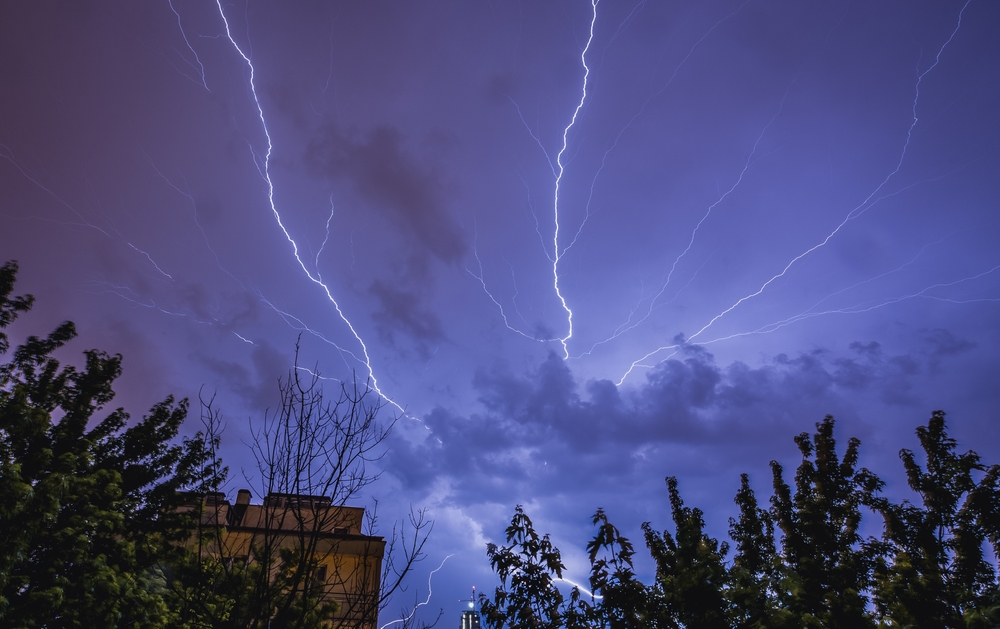
Thunderstorms, hurricanes, and wildfires can spread pollen over long distances.
This means you could react to pollen even if the offending plant is far away — especially when strong winds are involved.
Air pollution makes symptoms worse
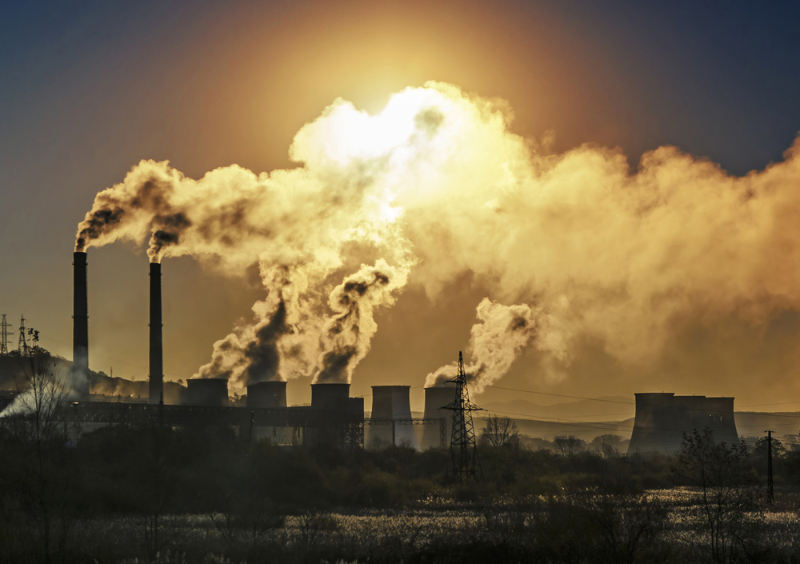
Pollen particles can attach themselves to air pollution, which makes them heavier and more persistent in the air.
This worsens allergy symptoms and keeps them lingering longer than usual.
Different plants, different problems
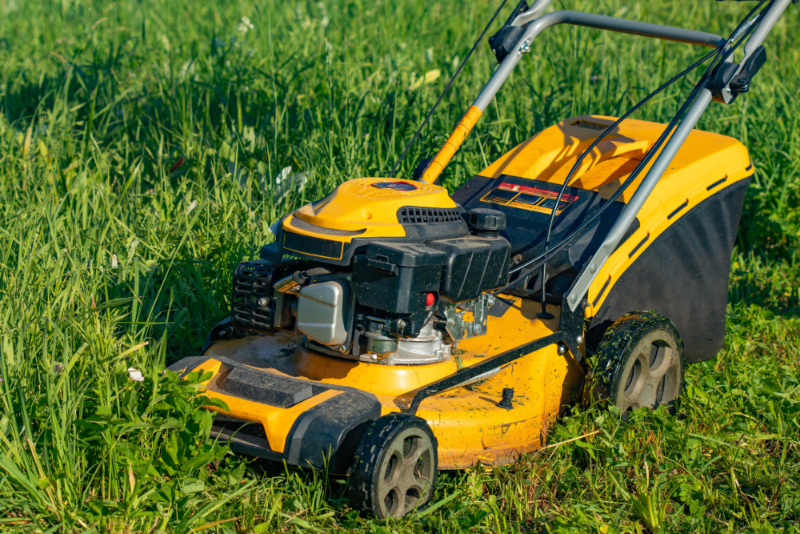
There are three major pollen seasons: tree pollen in early spring, grass pollen in the summer, and weed pollen in the fall.
Which one affects you most depends on your specific allergies — and what’s blooming around you.
Women are more likely to suffer
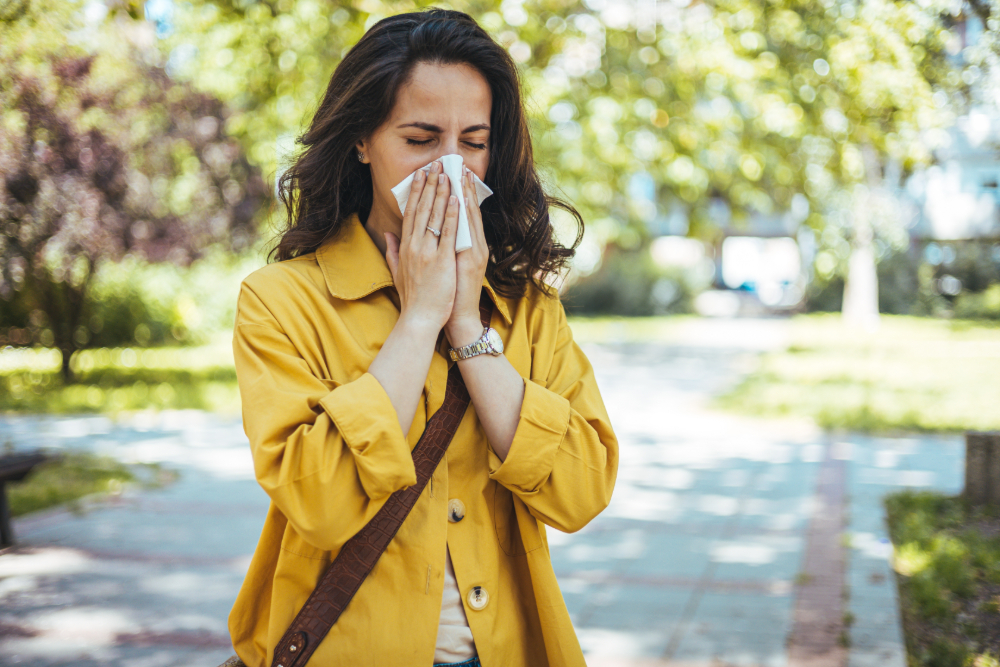
Statistics show women are more likely than men to experience seasonal allergy symptoms — 30% compared to 21%.
Allergies can lead to asthma
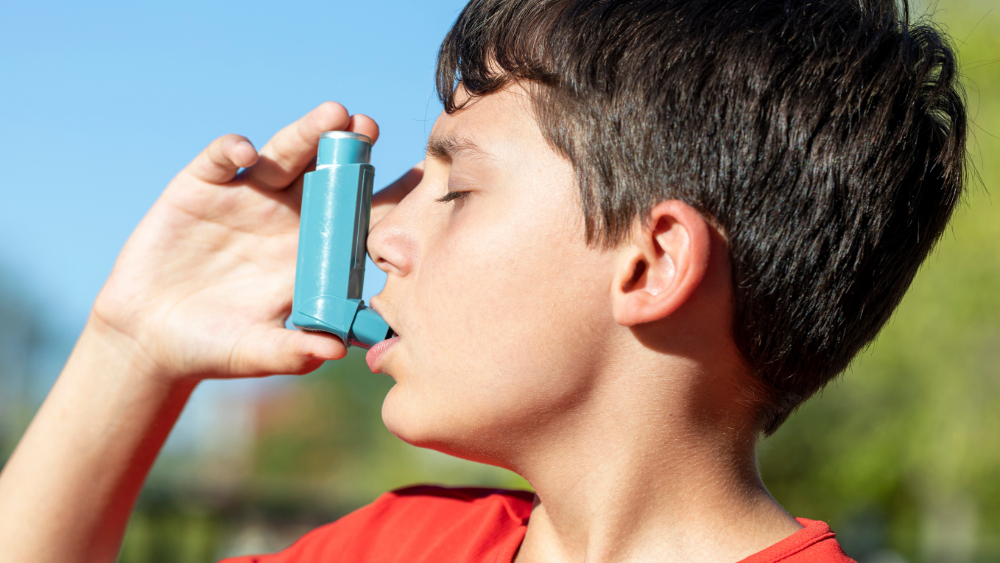
If your allergies cause coughing, wheezing, or shortness of breath, it may be a sign of allergic asthma.
It’s important to see a doctor, as untreated asthma can be dangerous.
Local honey won’t help
Despite what you may have heard, there’s no scientific proof that eating local honey helps your body adapt to local pollen.
Unfortunately, this popular home remedy is more myth than miracle cure.
This article is based on information from WebMD.
This article is made and published by Ida-Marie Palm Varbæk, who may have used AI in the preparation.