
A major new study shows that not all potatoes are equally unhealthy when it comes to type 2 diabetes.
In fact, the way you cook them can make all the difference – and there’s one version you should definitely cut back on.
Boiled potatoes are not a culprit

Boiled potatoes showed no significant link to increased diabetes risk in the study. They retain beneficial nutrients like potassium and fiber without adding extra fat.
Baked potatoes are a better choice

Baked potatoes don’t add harmful trans fats or unnecessary oils, making them a friendlier option for blood sugar compared to deep-fried versions.
Also read: These Are the People Most at Risk of a Blood Clot in the Brain
Mashed potatoes can still be part of your diet

Mashed potatoes also showed no clear risk in the study, as long as they aren’t loaded with large amounts of butter or cream, which can drive up calories.
French fries raise the risk significantly

According to the research, eating three servings of French fries per week increases the risk of developing type 2 diabetes by 20 percent.
The high cooking temperature and oils used for deep-frying create harmful compounds that can negatively affect the body.
Swap potatoes for whole grains for extra benefit
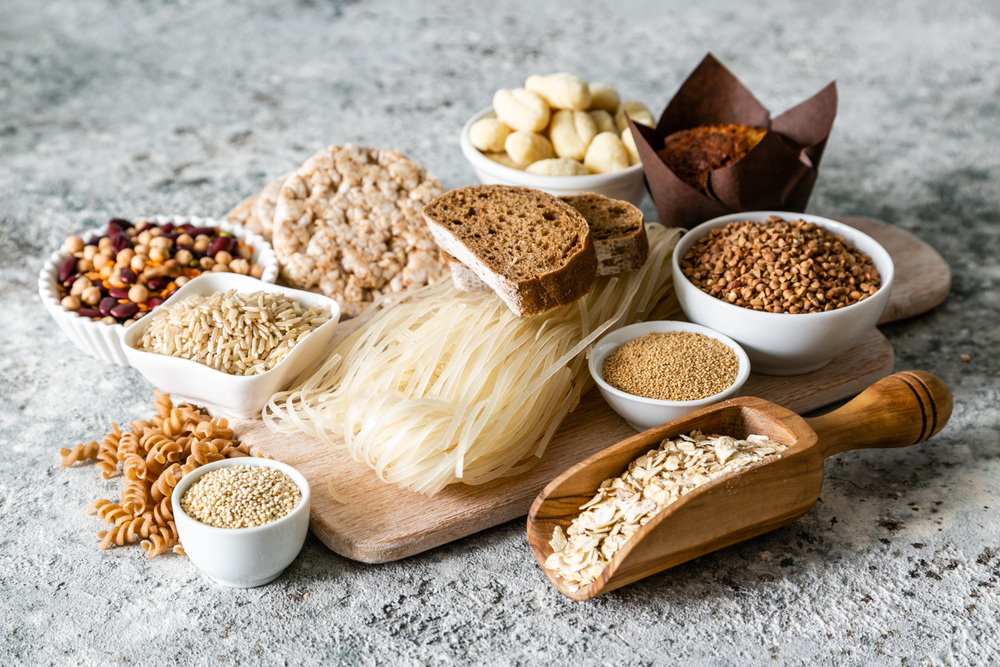
Replacing three weekly servings of potatoes with whole grains such as whole wheat pasta, bread, or farro can reduce the risk of type 2 diabetes by 8 percent.
Also read: Back to Work? How to Get Off to a Great Start Again
Switch French fries to whole grains

Replacing French fries with whole grains three times a week led to a 19 percent drop in diabetes risk – the most impressive improvement seen in the study.
Cooking oil and temperature are the main culprits

Deep-frying at high temperatures, often in oils containing trans fats, creates harmful compounds and oxidation, which can promote inflammation in the body.
Fiber helps balance blood sugar

Whole grains are rich in fiber, which helps stabilize blood sugar by slowing the absorption of carbohydrates into the bloodstream.
Small changes can make a big difference

Choosing baked instead of fried potatoes or swapping refined carbs for whole grains is an easy way to improve your diet and lower disease risk.
Also read: Your body shows these signs when you're not getting enough vitamin C
Non-fried potatoes may even boost diet quality
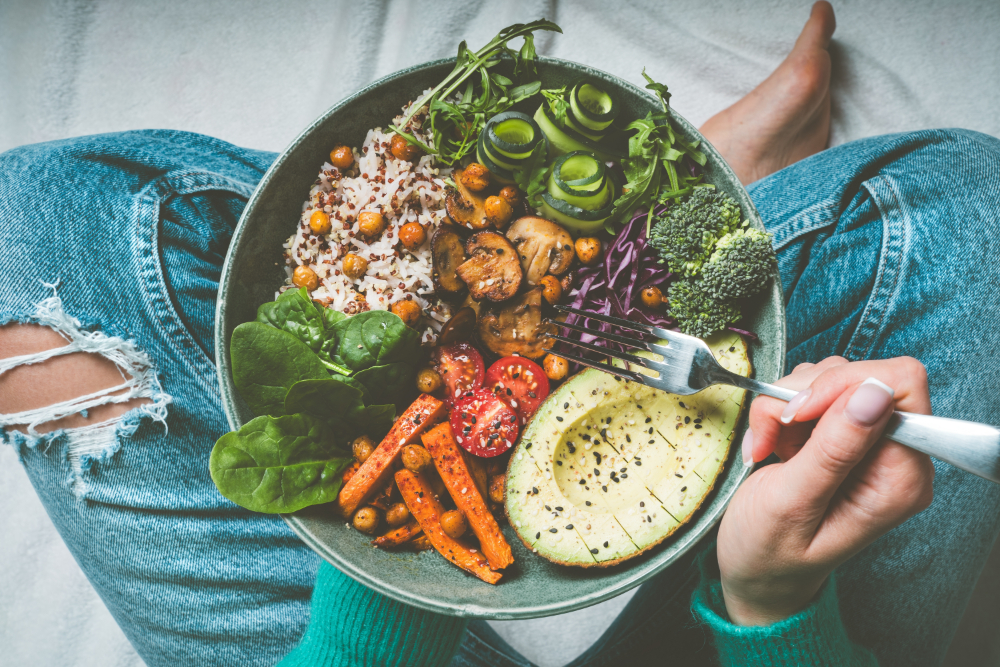
Potatoes that aren’t fried may help improve overall diet quality, especially when paired with other healthy food choices, according to the researchers.
This article is based on information from Health.com.
Also read: Experts Share How to Optimize a Regular Walk
This article is made and published by Ida-Marie Palm Varbæk, who may have used AI in the preparation.