
Groundbreaking research has revealed a surprising factor that could play a role in the development of lung cancer—and it has nothing to do with smoking or pollution. In fact, it’s something that naturally exists in your body and can be influenced by what you eat.
Glycogen May Play a Role in Lung Tissue
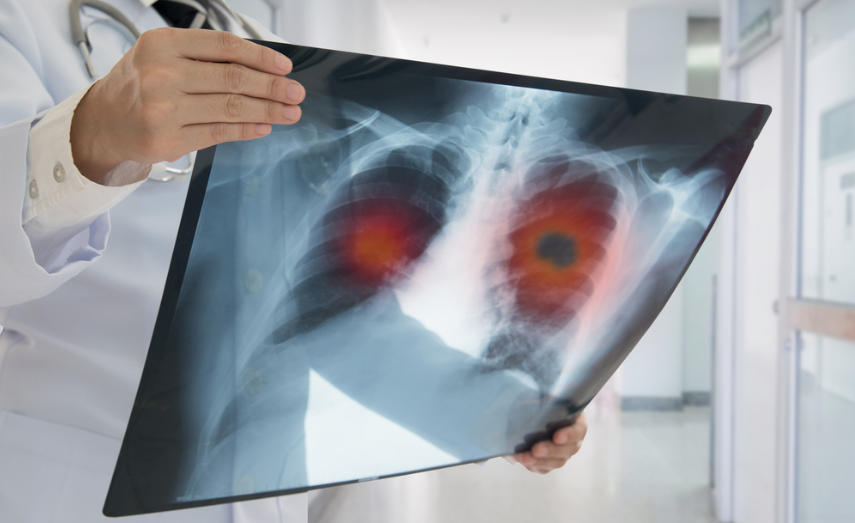
Glycogen is the body’s way of storing excess energy, especially in the liver and muscles. But recent findings suggest that high levels in the lungs could be linked to cancer formation.
Adenocarcinoma and Energy Storage

Mouse studies have shown a connection between increased glycogen in lung tissue and a higher occurrence of lung adenocarcinoma—the most common type of lung cancer globally.
A New Method Uncovered Hidden Patterns

Researchers used an advanced technique called spatial metabolomics, which allows them to map how molecules behave in tissue—leading to unexpected discoveries.
Cancer Cells Feed on Glycogen

Glycogen appears to serve as fuel for cancer cells, helping them resist the body’s natural defense mechanisms and continue spreading.
Excess Carbohydrates Become a Risk Factor

When you consume more carbohydrates than your body needs, they’re converted into glycogen. This excess can accumulate in tissues, including the lungs.
Your Diet Might Influence Cancer Risk

Just as processed meat and alcohol are linked to other cancers, a high-carb diet may also contribute to the development of lung cancer.
Not Only Smokers Are at Risk

While smoking remains a major factor, the new research indicates that even non-smokers could be at risk—based on their dietary habits.
A Discovery That Shifts Perspectives

These findings challenge the conventional understanding of how lung cancer develops, potentially transforming future prevention strategies.
New Insights May Lead to New Treatments

Understanding the role of glycogen could pave the way for targeted therapies that starve cancer cells of their energy source.
Lifestyle Choices Matter More Than Ever
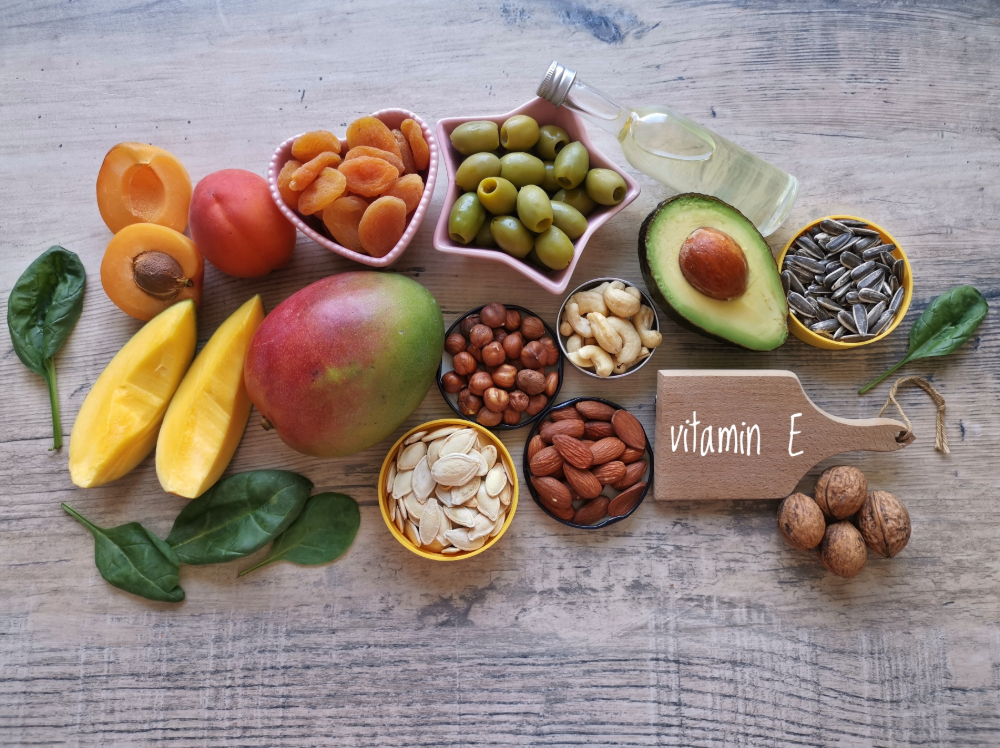
The discovery highlights how important dietary balance is—not just for weight or well-being, but also in reducing long-term disease risks like cancer.
The article is based on information from Illustreret Videnskab
This article is made and published by Mie Hermansen, who may have used AI in the preparation.