
We rarely talk about it, and most of us barely spend two minutes on it. But those few moments in front of the mirror could make the difference between a minor procedure and a life-threatening diagnosis.
Asymmetrical Shape
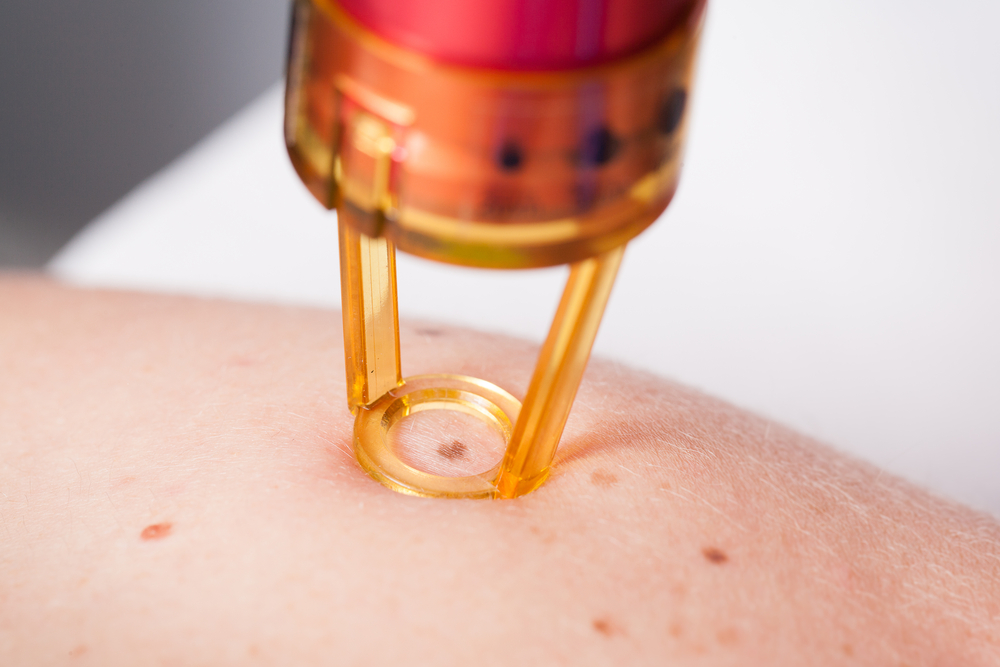
A healthy mole typically has a balanced, round or oval shape. If one half looks different from the other, it might be worth a second look.
Blurry or Jagged Edges
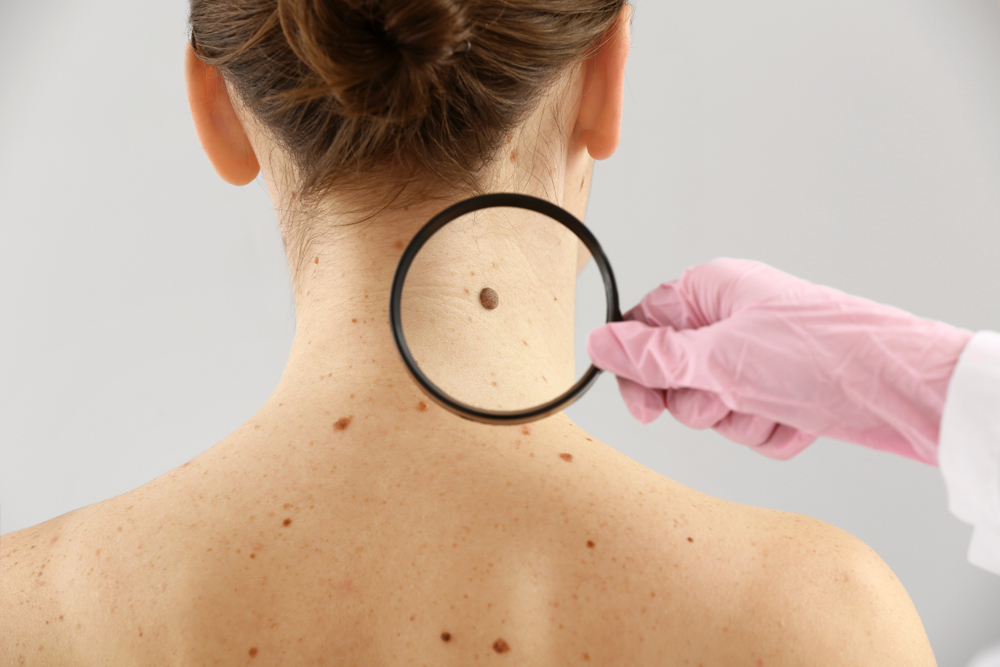
Moles with uneven or poorly defined borders could be sending a warning. The more irregular the edges, the more reason to have them checked by a professional.
Shifting Colors

A single color is usually a good sign. If a mole has multiple shades—like brown, black, or even red—it could indicate a problem.
Larger Than a Pencil Eraser
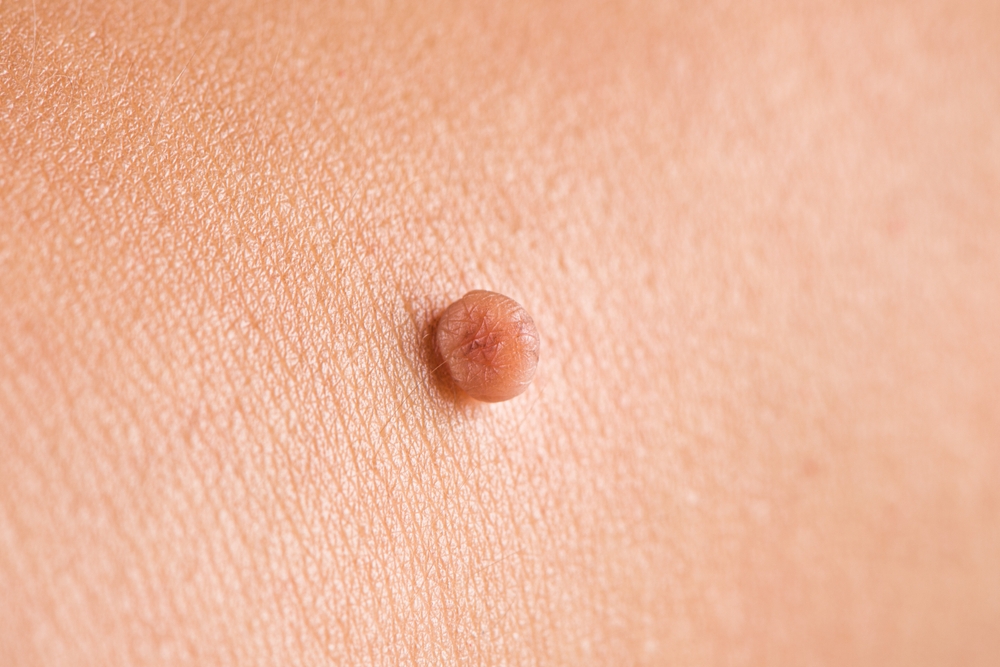
While small moles are often harmless, those larger than 6mm in diameter (about the size of a pencil eraser) deserve extra attention.
Sudden Changes

If a mole suddenly changes in size, shape, or texture—or begins to itch, bleed, or peel—it’s time to consult a dermatologist. Rapid developments should never be ignored.
Feels Different to the Touch

A mole that starts to feel rough, bumpy, or elevated might require medical attention. A shift in texture can be just as important as a change in appearance.
Childhood Sunburns

Did you have frequent sunburns growing up? That early UV exposure increases your risk later in life, making it even more important to monitor your skin.
History of Tanning Beds

If you’ve ever used tanning beds, especially at a young age, your skin has been exposed to high doses of artificial UV radiation. That history puts you at higher risk.
Hard-to-See Spots

Trouble spots often hide in places like your back, behind your legs, or along your scalp. Ask a partner or friend to help check those areas you can’t see on your own.
Young People Get It Too

Skin cancer doesn’t only affect older adults. Melanoma is the most common cancer among young adults aged 15 to 34. No matter your age, your skin deserves regular attention.
The article is based on information from Via Ritzau
This article is made and published by Mie Hermansen, who may have used AI in the preparation.