
High blood pressure doesn’t happen overnight—but the choices you make at the dinner table can make a big difference. Here are 10 key things to consider if you want to protect your heart and lower your numbers.
Cut Back on Salt
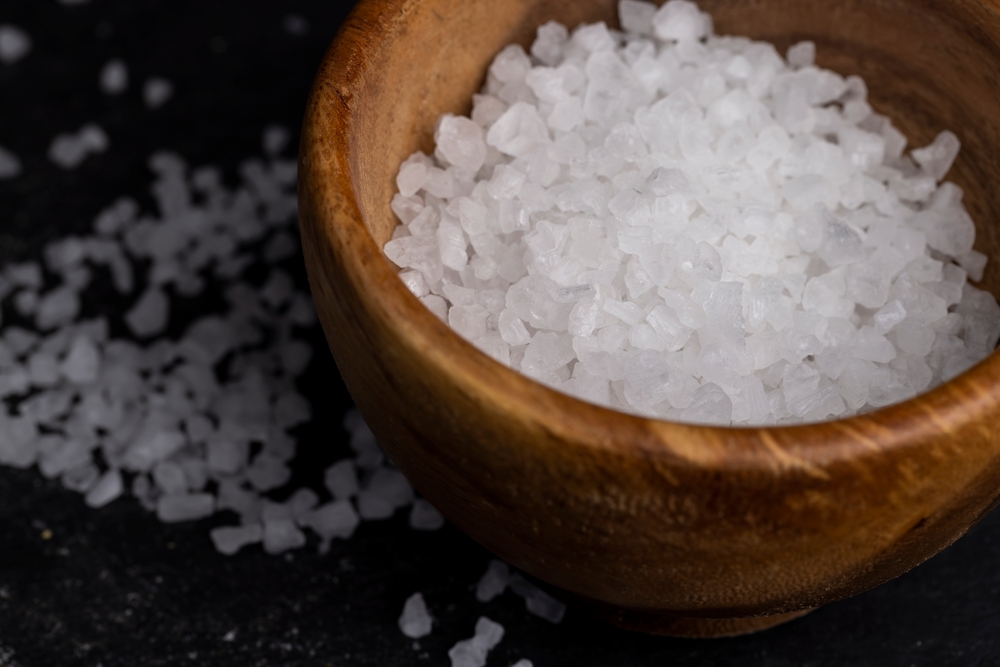
Excess salt causes your body to retain water, which puts added pressure on your blood vessels. Read labels and choose low-sodium options—even cereals and breads can be sneaky sources.
Watch Out for Hidden Sugar
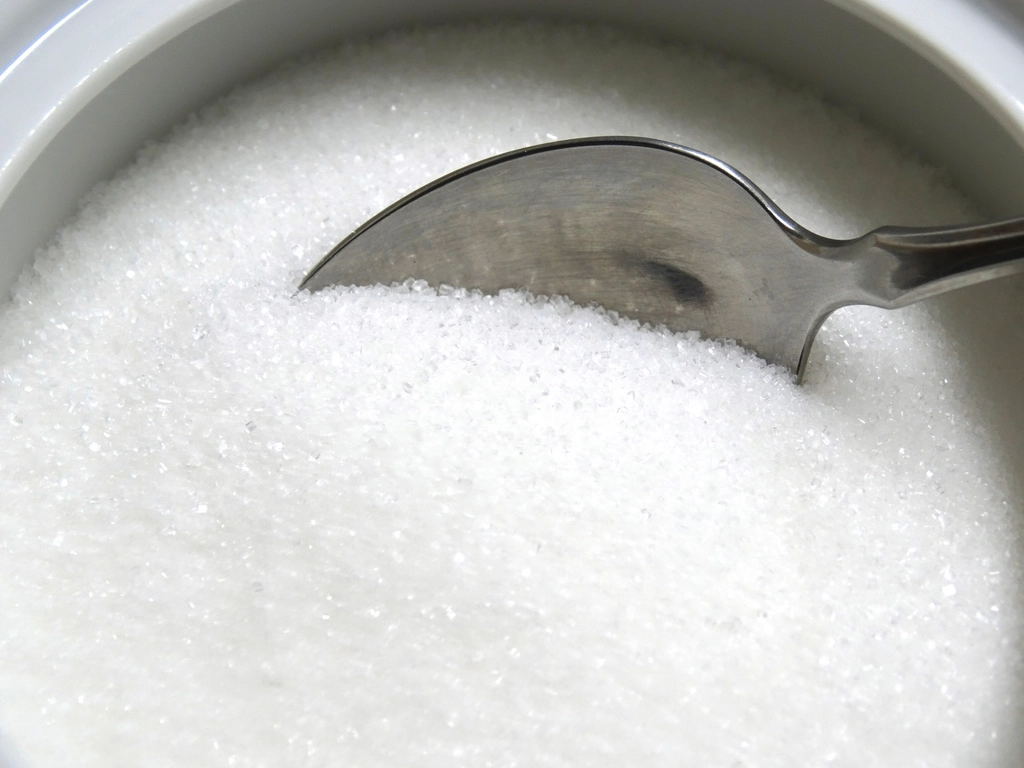
Sugar doesn’t directly raise blood pressure, but it contributes to weight gain, which does. Skip the sweetened drinks and ultra-processed snacks that quietly spike your calorie intake.
Avoid Excess Fat
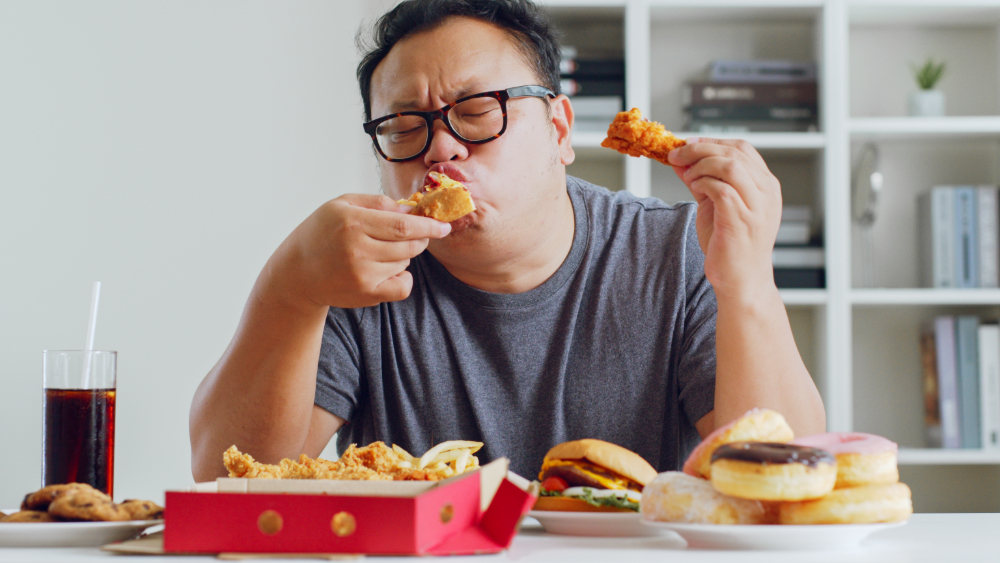
Fat-heavy foods like fried snacks, fast food, and creamy sauces can lead to obesity and strain your cardiovascular system. Choose healthy fats like olive oil or avocado in moderation.
Reduce Alcohol Consumption

Drinking too much alcohol raises your blood pressure and your weight. Stick to the recommended limit of 14 units a week—and the less, the better.
Be Mindful With Caffeine
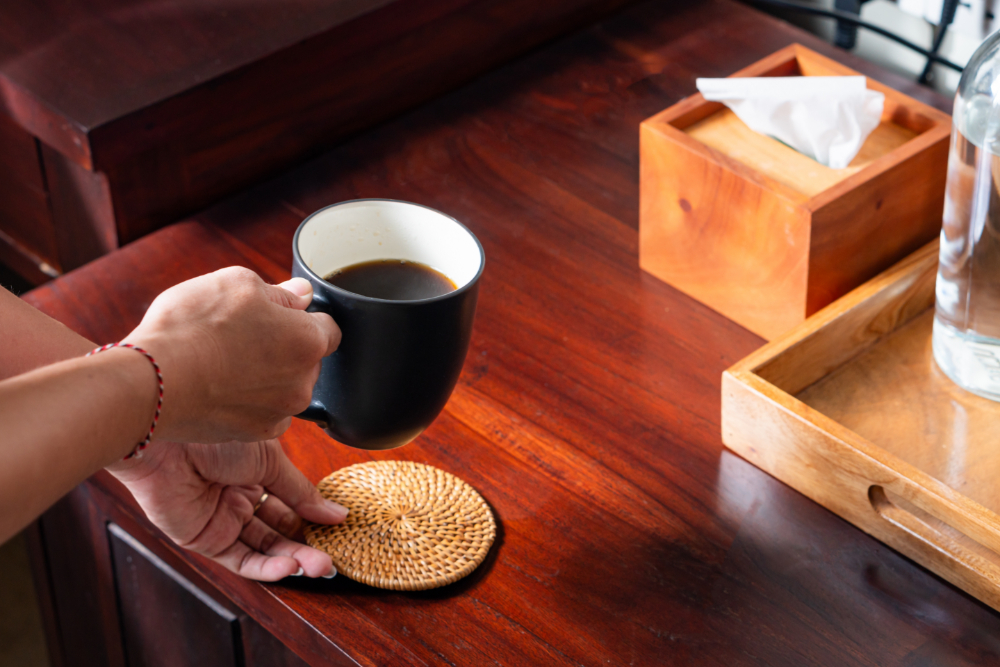
Caffeine can cause short-term spikes in blood pressure, especially in sensitive individuals. Moderate intake (up to four cups a day) is generally fine, but avoid energy drinks and high-caffeine sodas.
Switch to Whole Grains

Swap out white bread, rice, and pasta for whole grains like oats, brown rice, and whole-wheat bread. They support stable blood sugar and help with weight control.
Choose Lean Proteins
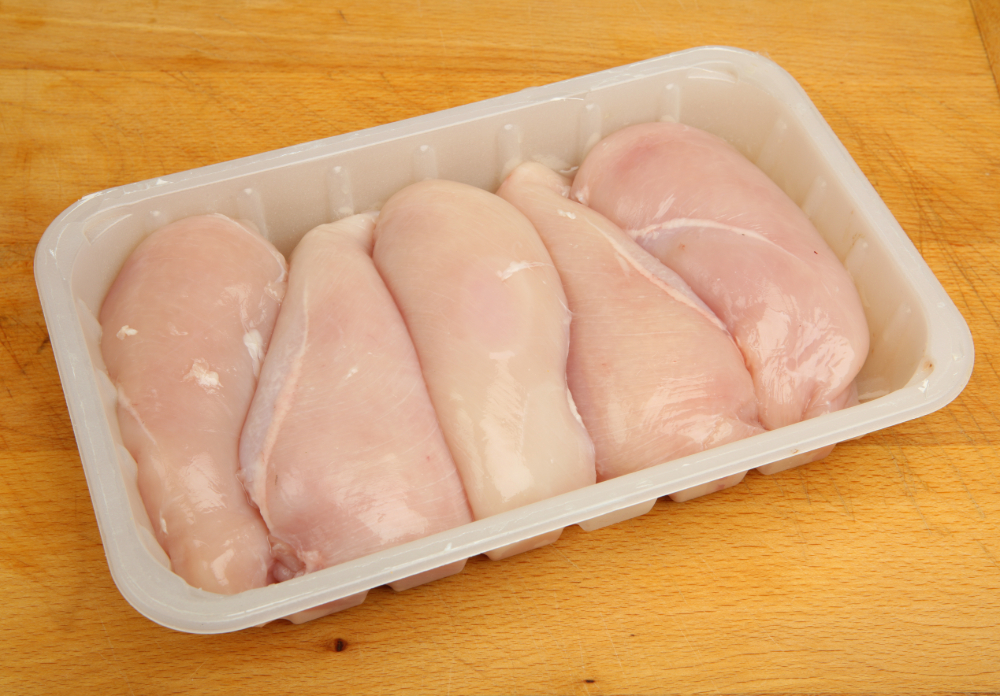
Go for chicken, fish, eggs, and legumes instead of processed meats. Bacon, sausages, and ham often contain both salt and saturated fat—two things your blood pressure doesn’t need.
Eat More Vegetables
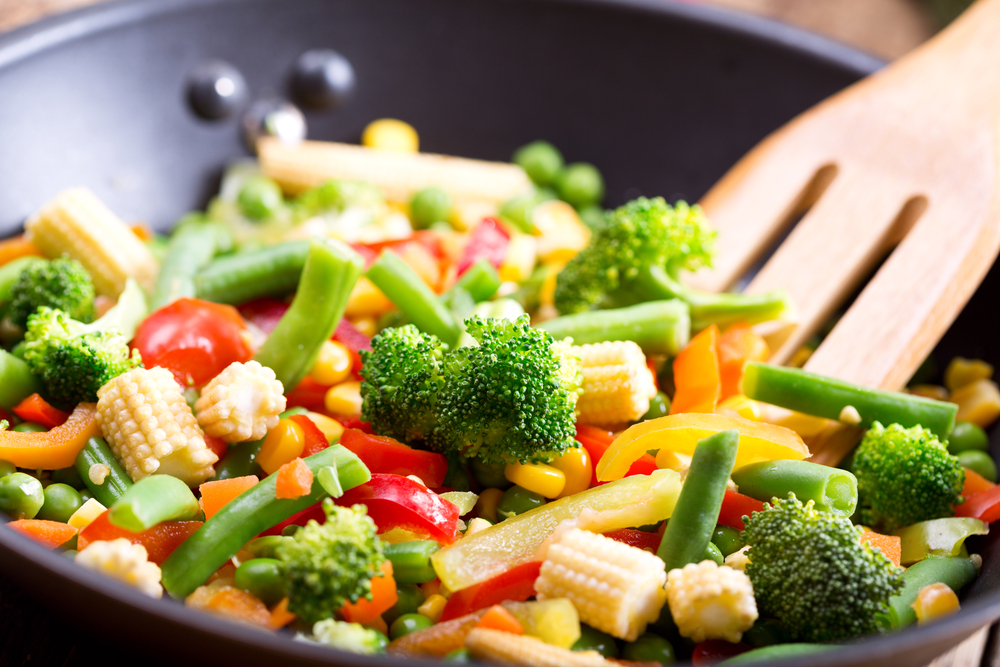
Vegetables are loaded with potassium, which balances sodium and supports a healthy heart. Don’t be afraid to load up—fresh or frozen both work well.
Move Your Body Every Day

Exercise strengthens your heart and improves circulation. Even 30 minutes of brisk walking can help reduce your blood pressure significantly over time.
Manage Daily Stress

Chronic stress contributes to unhealthy habits and rising blood pressure. Carve out time to relax through activities like meditation, reading, or listening to calming music.
This article is based on information from Dagens.dk
This article is made and published by Mie Hermansen, who may have used AI in the preparation.