
If you’re tossing and turning at night, you’re not alone. Millions struggle to drift off despite feeling exhausted.
Luckily, various relaxation techniques, breathing exercises, and mental tricks can help you fall asleep in seconds or minutes — even when nothing else seems to work.
Try the Military Method
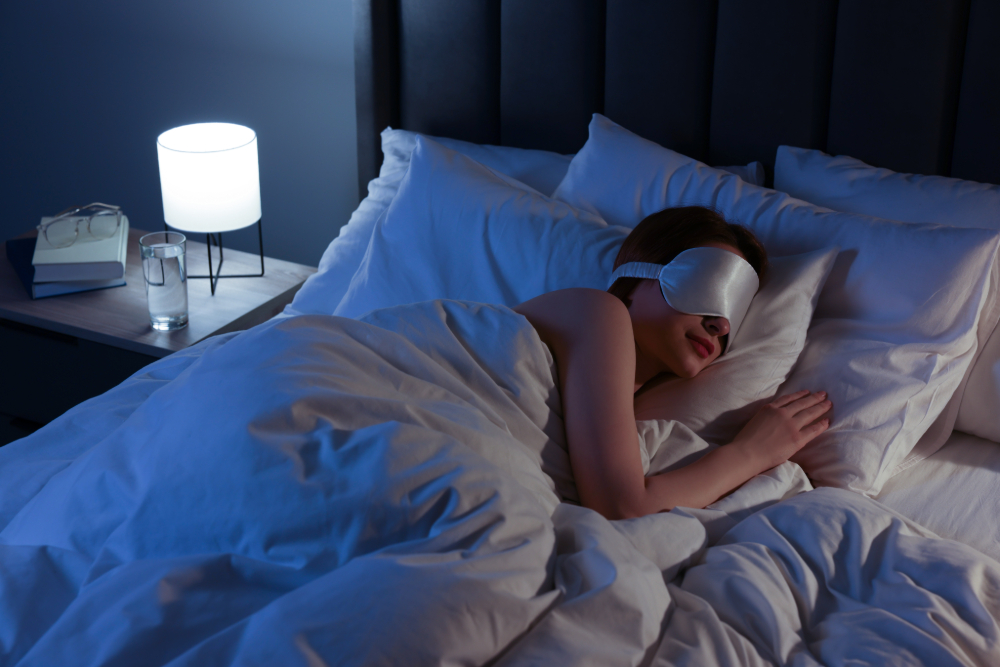
This relaxation strategy was developed for fighter pilots during World War II. It involves progressively relaxing your facial muscles, shoulders, and legs while visualizing a peaceful scene or repeating a calming phrase. With practice, some people can fall asleep within 10 seconds after completing the routine.
Practice 4-7-8 Breathing
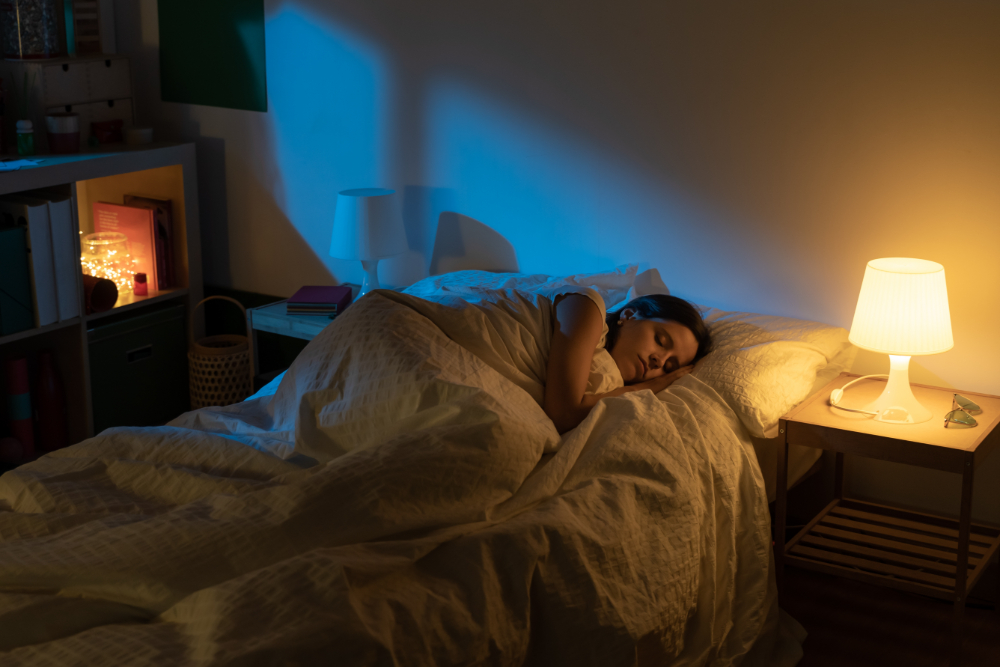
Created by Dr. Andrew Weil, this breathing exercise focuses your mind and body on a controlled rhythm: inhale for 4 seconds, hold your breath for 7, and exhale slowly for 8. Repeat this cycle four times to lower stress and ease into sleep.
Use Progressive Muscle Relaxation

This method involves tensing and then relaxing different muscle groups, starting from your forehead and working down to your feet. It can calm both body and mind, making it easier to drift off naturally.
Visualize a Calm Scene

Instead of counting sheep, engage your imagination by visualizing a peaceful setting, like a waterfall or a quiet forest. Let your mind focus on every sound, smell, and detail to help distract you from anxious thoughts.
Try Paradoxical Intention

This technique involves telling yourself to stay awake rather than trying to sleep. For people who experience performance anxiety around sleep, this reverse psychology trick can actually help reduce the pressure and make falling asleep easier.
Apply Acupressure
Certain pressure points, like the spirit gate on your wrist or the wind pool at the base of your skull, may help promote sleepiness when massaged gently for a few minutes using circular motions.
Improve Your Sleep Hygiene

Make sure your sleep environment is optimal: cool, dark, and quiet. Turn off electronic devices at least 30 minutes before bed and establish a relaxing pre-sleep routine to signal your body it’s time to wind down.
Avoid Late Caffeine and Heavy Meals

Cut back on caffeine in the afternoon and evening, and avoid heavy or spicy meals close to bedtime, as these can interfere with your ability to fall asleep quickly.
Get Natural Light During the Day

Spending time outdoors in natural daylight helps regulate your internal clock, making it easier to fall asleep at night. Aim for at least 30 minutes of daylight exposure daily.
Limit Napping

Daytime naps, especially those longer than 30 minutes or taken late in the day, can disrupt your nighttime sleep cycle and make it harder to fall asleep at bedtime.
Artiklen er baseret på informationer fra Healthline
This article is made and published by Mie Hermansen, who may have used AI in the preparation.