
Researchers have uncovered a surprising new factor in cancer development — and it’s not in your genes. It’s in the environment surrounding your cells. Here are 10 key revelations that flip our understanding of cancer on its head.
The Hidden Driver: The Cell’s Microenvironment
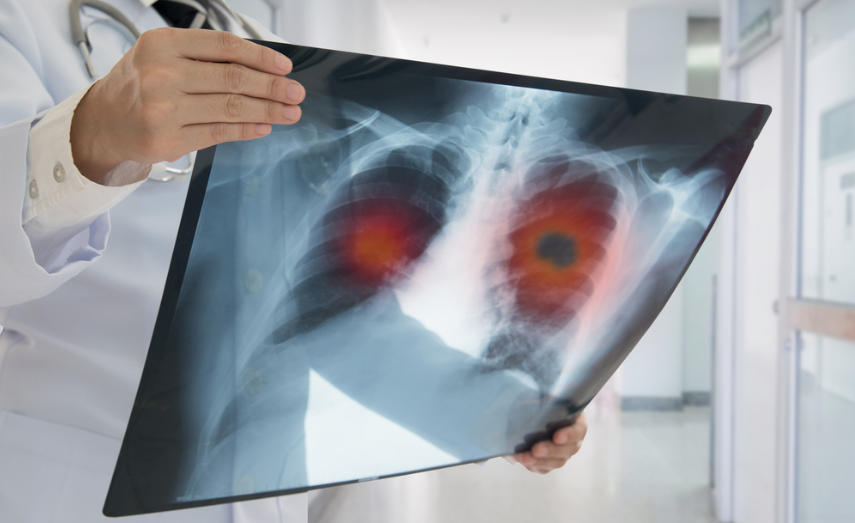
Forget rogue genes — scientists now believe cancer begins when the tissue around a cell changes and sends the wrong signals. It’s the neighborhood, not the blueprint, that often sparks the disease.
Identical Mutations, Opposite Outcomes

Two cells can carry the same cancer-linked mutation but behave entirely differently depending on their surroundings. One may grow uncontrollably, the other might stay dormant forever.
Damaged Skin Isn’t Always Dangerous – Until It Is

Sun exposure mutates skin cells constantly, yet most never become cancerous. But if the skin is wounded later, that injury can trigger dormant mutated cells to activate and start forming tumors.
Inflammation: Cancer’s Secret Accomplice

When you get hurt or overuse a joint, your immune system launches an inflammatory response. But the same healing process can create a cancer-friendly environment full of dangerous chemical signals.
Cytokines: The Messengers That Stir Up Trouble

Tiny molecules called cytokines orchestrate the immune response. But they can also encourage cancer by remodeling tissue, growing new blood vessels, and protecting rogue cells from your body’s defenses.
Free Radicals: When Healing Becomes Hazardous
Your immune system produces reactive oxygen molecules to fight off threats. But they can also attack your own DNA, making the very act of healing a risky game for future cancer development.
Epigenetics: Changing the Rules Without Changing the Code

Inflammation doesn’t always mutate DNA — it can instead alter how genes behave. This “epigenetic memory” can turn off cancer-protecting genes long after the inflammation has faded.
Chronic Inflammation: A Slow-Burning Threat
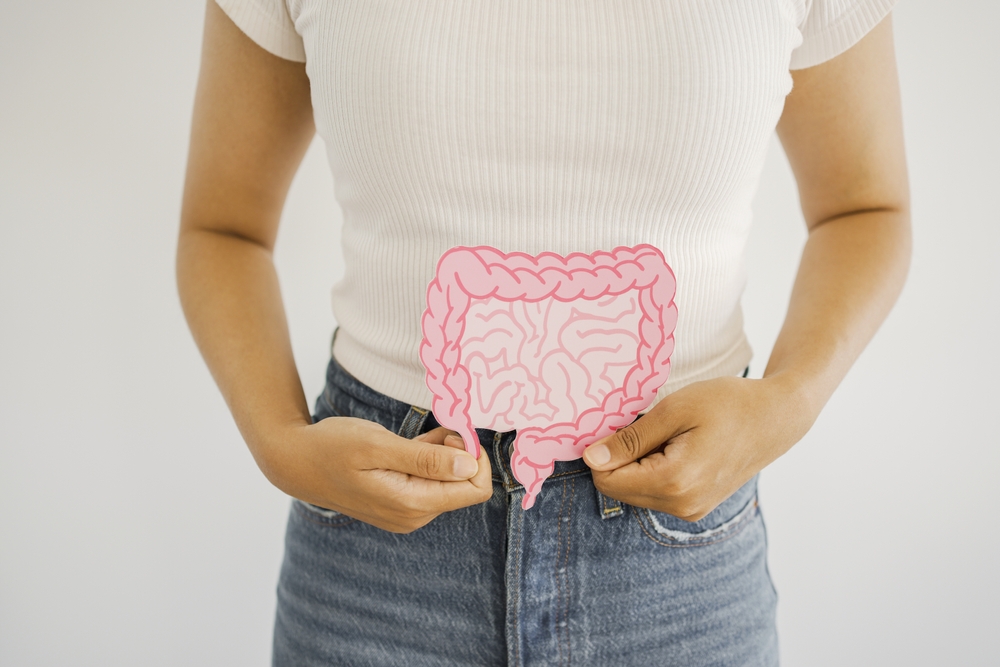
Prolonged inflammation — like in chronic bowel disease or hepatitis — can create an ideal breeding ground for cancer. Over time, your cells forget how to behave normally.
Inflammation Blocks Treatment

Certain immune chemicals don’t just promote cancer growth — they also make tumors resistant to chemotherapy and radiation. The body’s healing process can actually sabotage treatment efforts.
New Hope: Erasing the Cancer Memory
Scientists are testing drugs that reset cells’ epigenetic memory. One compound, MEKi, helped mice “forget” past inflammation, reducing their cancer risk. The future of cancer therapy may lie in erasing the past, not just targeting the present.
This article is based on information from Illustreret Videnskab
This article is made and published by Mie Hermansen, who may have used AI in the preparation.