
Many people drink soda daily, but a high intake of sugary beverages can affect the body in several ways.
According to Health, regularly consuming soda may increase the risk of disease, weight gain, and dental problems.
Soda contains large amounts of sugar

A regular soda of around 33 cl typically contains about 10 teaspoons of added sugar.
That is almost equal to the recommended daily sugar intake for an adult.
Also read: More young people diagnosed with colon cancer – doctor points to three warning signs
Blood sugar levels can rise quickly
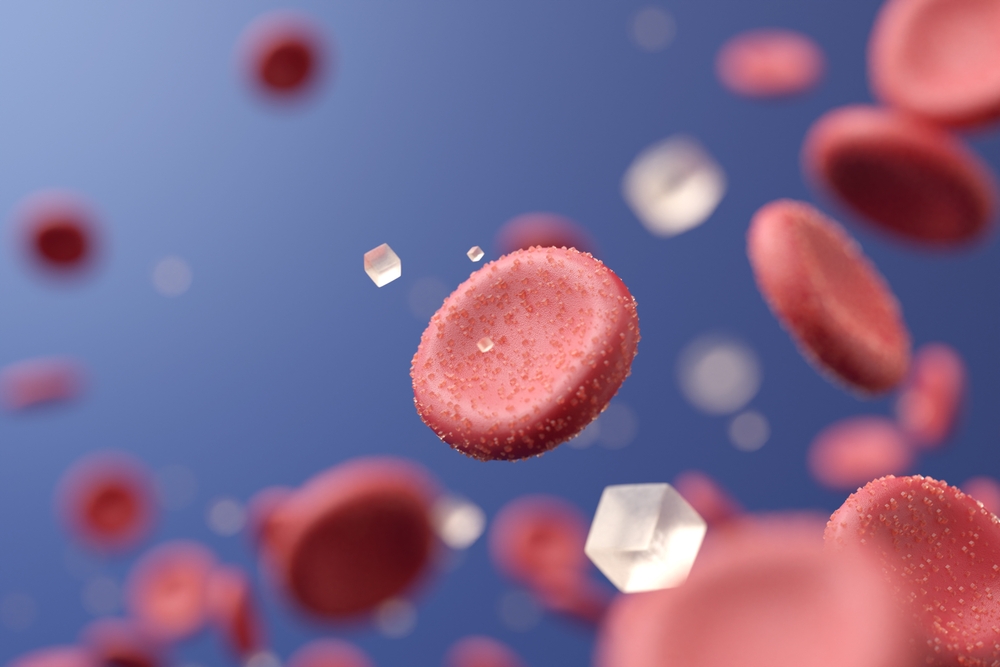
The sugar in soda is absorbed rapidly by the body because it is a simple carbohydrate.
This can lead to sharp spikes in blood sugar levels.
The risk of type 2 diabetes may increase

Research published in Nutrition Journal shows a clear connection between high soda consumption and type 2 diabetes.
People who drink large amounts of sugary beverages have a higher risk of developing the disease.
Also read: Alcohol vs. cannabis: Which is more harmful to the body?
The heart may be negatively affected

Sugary drinks are also linked to an increased risk of cardiovascular disease, according to a study published in Nature Medicine.
A study published in The American Journal of Medicine found that frequent consumers are more likely to develop heart problems.
Researchers are investigating a possible link to cancer

More research is still needed, but several studies point to a possible connection between sugary beverages and certain cancers, such as breast cancer and colorectal cancer.
Sugar may cause inflammation in the body

Experts believe, according to a study published in Frontiers in Immunology, that the inflammatory effects of sugar may play a role in the development of several chronic diseases.
Also read: New weight-loss drug helped participants lose up to 30 percent of body weight
Daily soda consumption can lead to weight gain

Regular soda intake is closely associated with weight gain and obesity, according to a study published in International Journal of Behavioral Nutrition and Physical Activity.
A single soda contains many calories without providing much satiety.
Soda does not provide the same feeling of fullness as food

The drink lacks both fiber and protein, which normally help create a feeling of fullness.
As a result, people may end up eating more.
Also read: These foods may worsen weight gain during menopause, researchers say
Teeth can be damaged
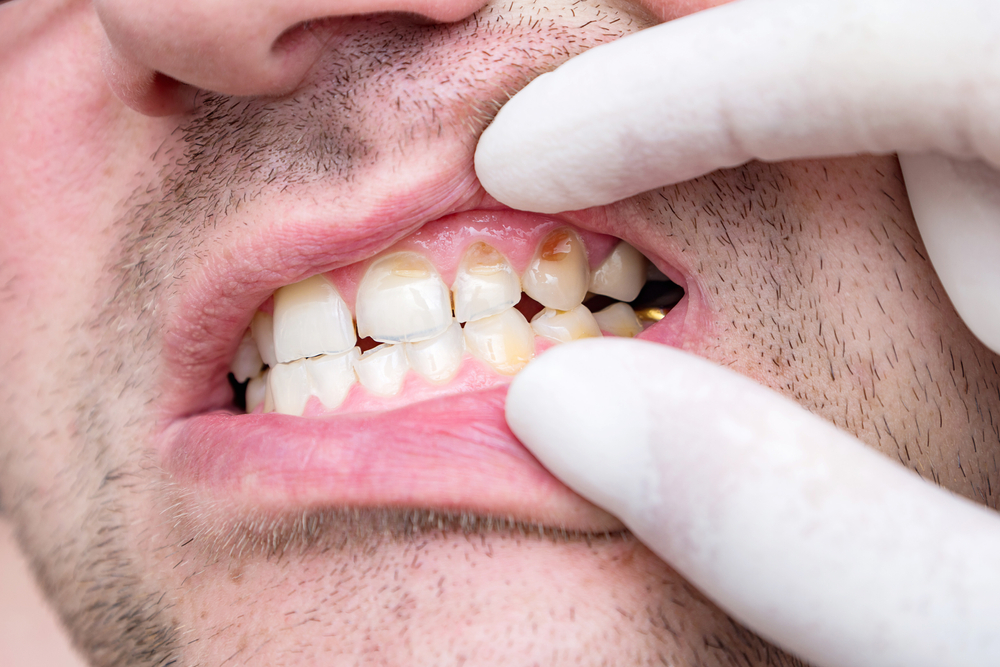
Soda is both acidic and high in sugar, which can increase the risk of cavities and enamel erosion, according to a study published in Cureus Journal of Medical Science.
The balance of bacteria in the mouth may change
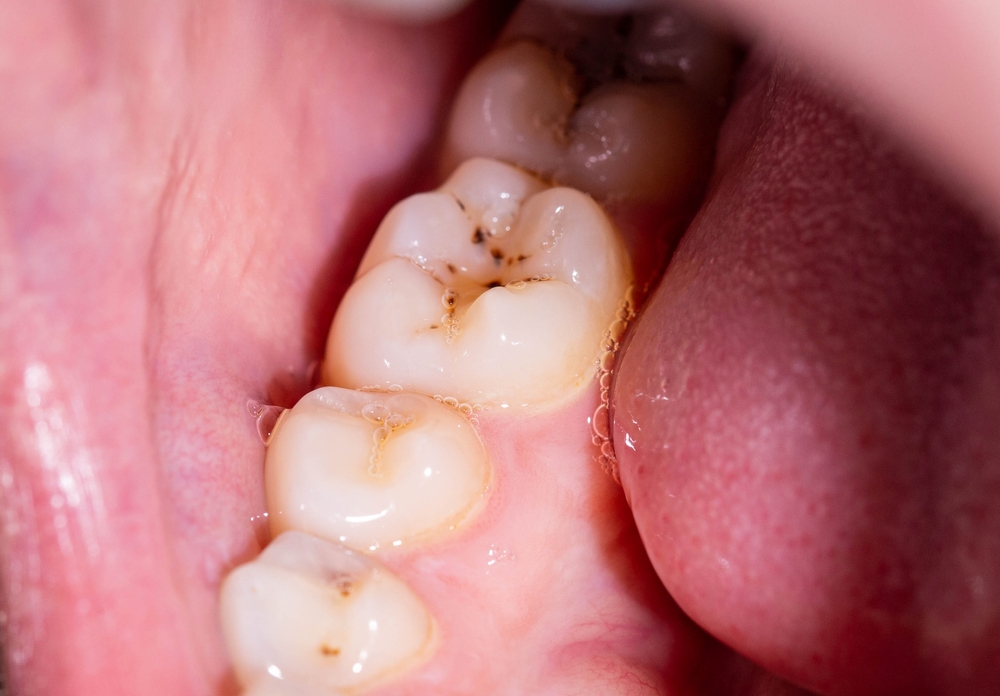
Sugary drinks can affect the balance of bacteria in the mouth.
This may lead to poorer gum health and more tooth decay, according to a study published in Scientific Reports.
The skin may be affected

A study published in Journal of Health, Population and Nutrition describes a possible link between sugary drinks and acne in adults.
Also read: These low-fiber fruits and vegetables are easier to digest
Sugar may cause the skin to age faster
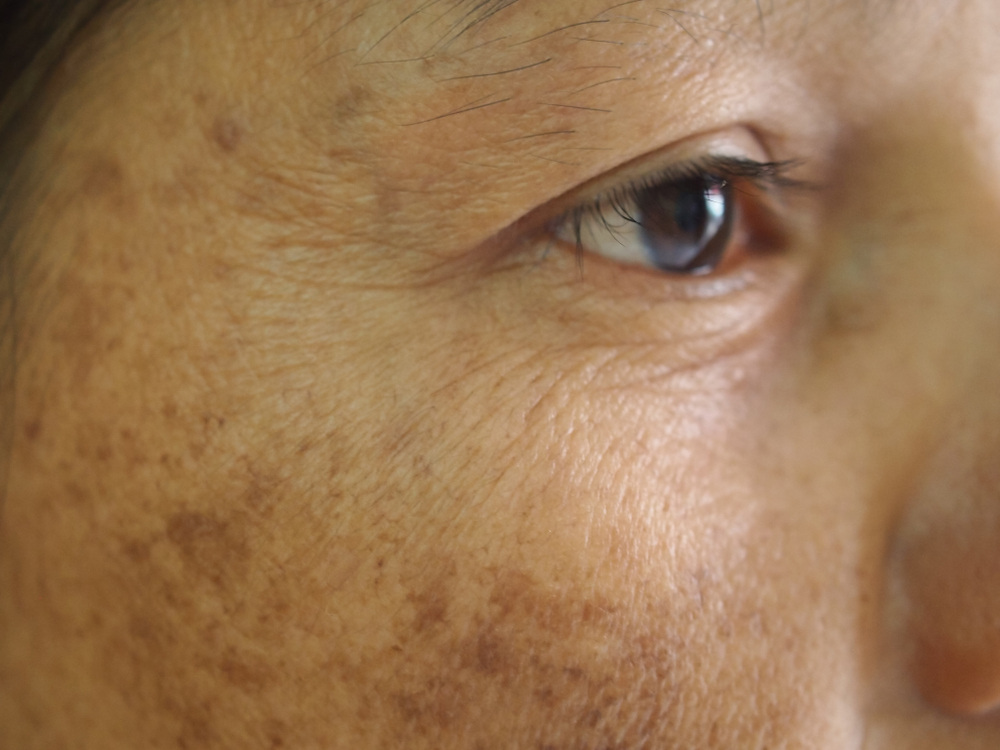
Sugar molecules can bind to proteins such as collagen and elastin, which help keep the skin firm and elastic.
This may contribute to wrinkles and sagging skin, according to a study published in Journal of Cosmetic Dermatology.
Water is recommended as an alternative

Experts recommend choosing water instead of soda.
Men are advised to drink around 13 cups of fluids daily, while women should drink around 9 cups.
Sparkling water and fruit can add more flavor

For those who want carbonation or more flavor, Health suggests sugar-free sparkling water or water with fruit, lemon, lime, or berries.
It is important to read nutrition labels

Health recommends checking the nutritional information on beverages and trying to avoid products with large amounts of added sugar and calories.
Sources: Health.com, Nutrition Journal, Nature Medicine, The American Journal of Medicine, Frontiers in Nutrition, Oncology, Frontiers in Immunology, International Journal of Behavioral Nutrition and Physical Activity, Cureus Journal of Medical Science, Scientific Reports, Journal of Health, Population and Nutrition, and Journal of Cosmetic Dermatology.
This article is made and published by Ida-Marie Palm Varbæk, who may have used AI in the preparation.